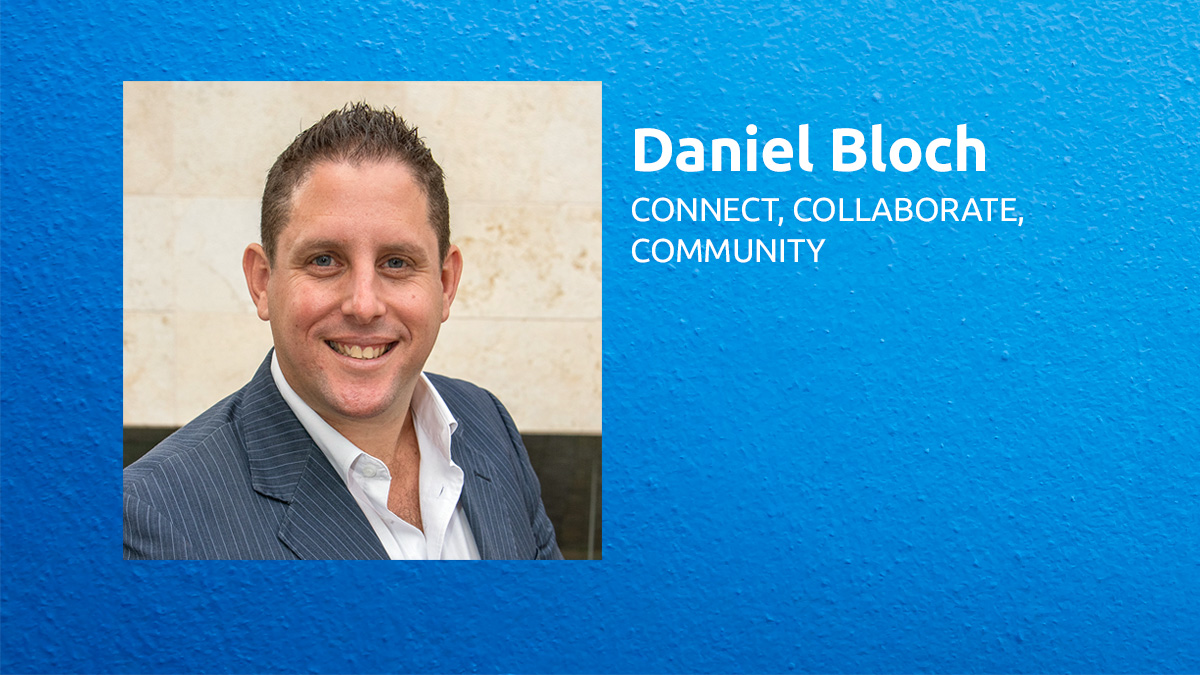
By DANIEL BLOCH, Exec. Director Cape SAJBD
If there’s one lesson I’ve taken from the ongoing Israel-Hamas war, it’s that nothing is ever quite as it appears. In an age of information overload, discerning truth from misinformation has become increasingly difficult.
While some media outlets strive to report accurately, others perpetuate false narratives. Social media has amplified this confusion, allowing unverified videos and commentary from self-proclaimed experts to go viral, many of whom attempt to delegitimise the only Jewish state. Most troubling are the conspiracy theories suggesting that the October 7th attacks were orchestrated by the Israeli government, despite Hamas openly claiming responsibility and releasing footage of the events themselves.
Recently, I travelled to New York to attend the AJC Global Forum. (I encourage readers to refer to the Chronicle article covering my trip, the individuals I met, and some of the inspiring speakers I encountered). During my visit, I stopped at a diner for lunch. Near the end of my meal, the waiter asked if I was from the UK. I responded that I was from South Africa. To my surprise, he told me he was originally from Gaza and thanked me and the South African government for supporting the International Court of Justice (ICJ) case. I felt it important to clarify that I am Jewish and do not support the ICJ case. However, I expressed my condolences for any personal losses he may have suffered and condemned the loss of life on both sides of the conflict.
He went on to share that he had lost many family members in the war, had recently visited Gaza for his sister’s wedding, and that his mother had just moved to New York to live with him. I asked him a question that, here in South Africa, often sparks controversy: “Should Hamas remain in control of Gaza, or should they step down?” He answered without hesitation: “They should go.” We concluded the conversation respectfully, shook hands, and parted ways.
Initially, I was hesitant to engage in the conversation. Given the emotionally charged climate and some of my past experiences with anti-Israel activists, I expected potential hostility. Yet, I was met instead with calm dialogue and mutual respect. This interaction stood in stark contrast to the confrontational behaviour I’ve sometimes encountered at protests or online, where dialogue is often replaced by accusations and vitriol.
This left me with a question: How is it that someone directly affected by the war –who has suffered real, personal loss – was able to engage in meaningful conversation, while others, far removed from the realities of the conflict, often respond with anger, slogans, and hostility?
Many vocal critics of Israel have never visited the region, have no personal connections to it, and possess only a surface-level understanding of its complex history. While activism and advocacy have their place, they should be grounded in knowledge, nuance, and empathy. If we are to work toward peace and justice, conversations like the one I had in New York offer a more productive starting point than protest signs and social media hashtags alone. ●

Cape SA Jewish Board of Deputies | http://www.capesajbd.org | Instagram | Facebook
- JUNE 2025: Read the June 2025 Digital Edition in your browser as a Flipbook or a PDF.
- SUBSCRIBE: Subscribe to the Cape Jewish Chronicle for just R450/year (or R37.50/month debit order) and you will remain connected. Simply email us at subscriptions@ctjc.co.za and click here for payment info.
- ADVERTISE in the Cape Jewish Chronicle and on this website. Contact Lynette on 021 464 6736 or email advertising@ctjc.co.za.