


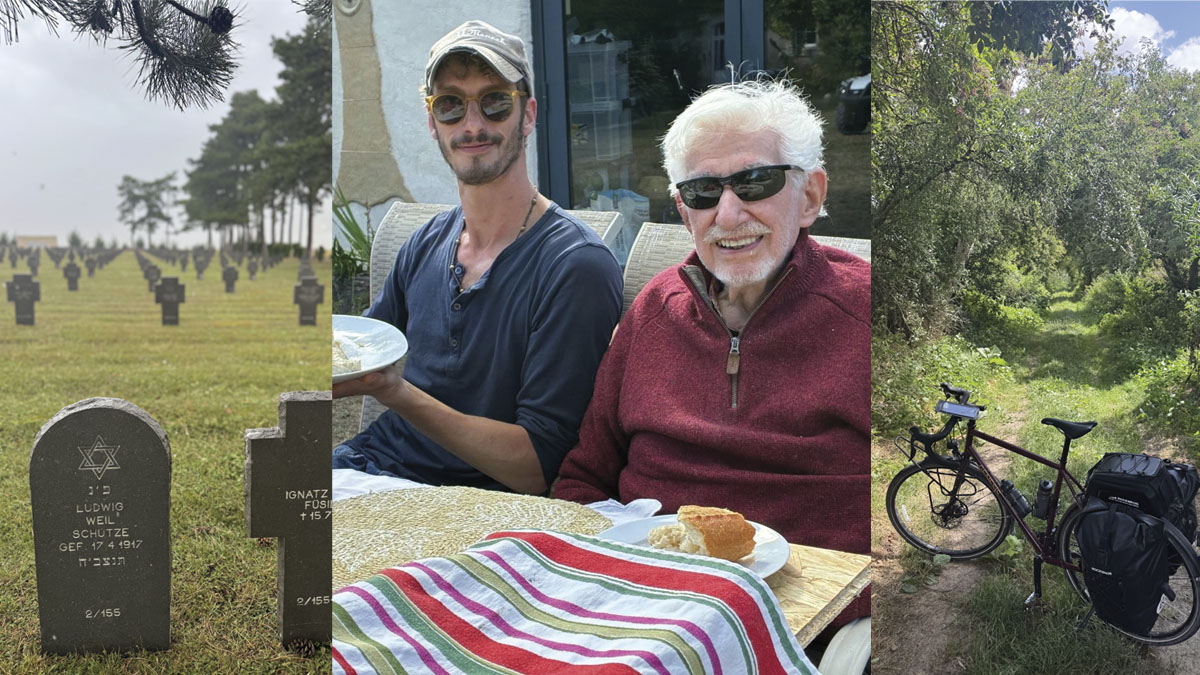
Many members of the Fabian family have lived in Cape Town, contributing to both the city’s economy and to Jewish communal life. The Cape Jewish Chronicle will share the fascinating story of the life of Kuno Fabian, who fled to South Africa to escape the scourge of the Nazis, over the next few editions of the publication. (Well-known Capetonian, Selwyn Fabian, is one of Kuno’s sons.) In this edition, we interview Ryan Fabian, a great-nephew of Kuno, who explains the background to the research undertaken by members of the family into the story.
Q: Tell us about your family connection to Kuno Fabian.
Kuno Fabian was my great-uncle and the first of the Fabian family to find refuge in Cape Town after fleeing Nazi Germany in the 1930s. His eldest son, Dr Henry Fabian z’l – my 94-year-old cousin and co-author of the memoir we have written – was born in Germany. Our project became a multigenerational effort to honour Kuno’s legacy and ensure his story is remembered. Unfortunately, Henry passed away very recently.
Q: What inspired you to trace Kuno’s wartime journey by bicycle, and where did your route take you?
I wanted to connect with his story in the most visceral way possible. A 1 500km solo cycle along the Western Front felt like the best way to physically and emotionally grapple with the terrain, distances and battlefields he would have known.
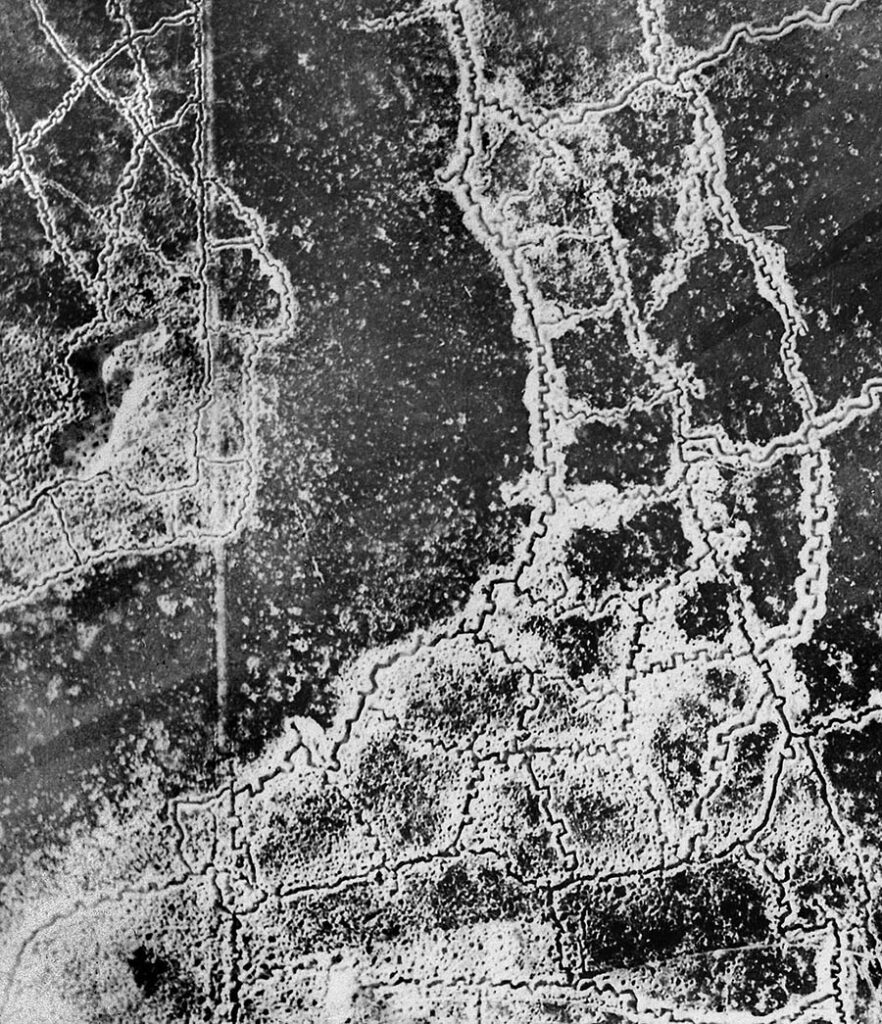
My route followed the First World War front line – from the Belgian coast, through Ypres and the Somme in France, finishing in the Alps near the Swiss border. The scale of loss becomes overwhelming when one sees the endless war cemeteries, and even today the land still gives up pieces of shrapnel – some of which caused punctures on my ride.
The most moving section was through the Champagne region near the Chemin des Dames, Craonne and Prosnes, where Kuno was wounded and his elite regiment suffered devastating losses. What began as a physical journey ended as a deeply emotional one, especially when I sat afterwards with Henry at his home near Cognac to piece together memories, research and family stories.
Q: How much did you and Henry know about Kuno’s wartime experience, and what sources helped you uncover more?
Before this project, our knowledge was mostly fragmented family lore. We knew he was a decorated officer, but details were sparse – partly because many German Jewish WWI veterans remained silent after the Holocaust.
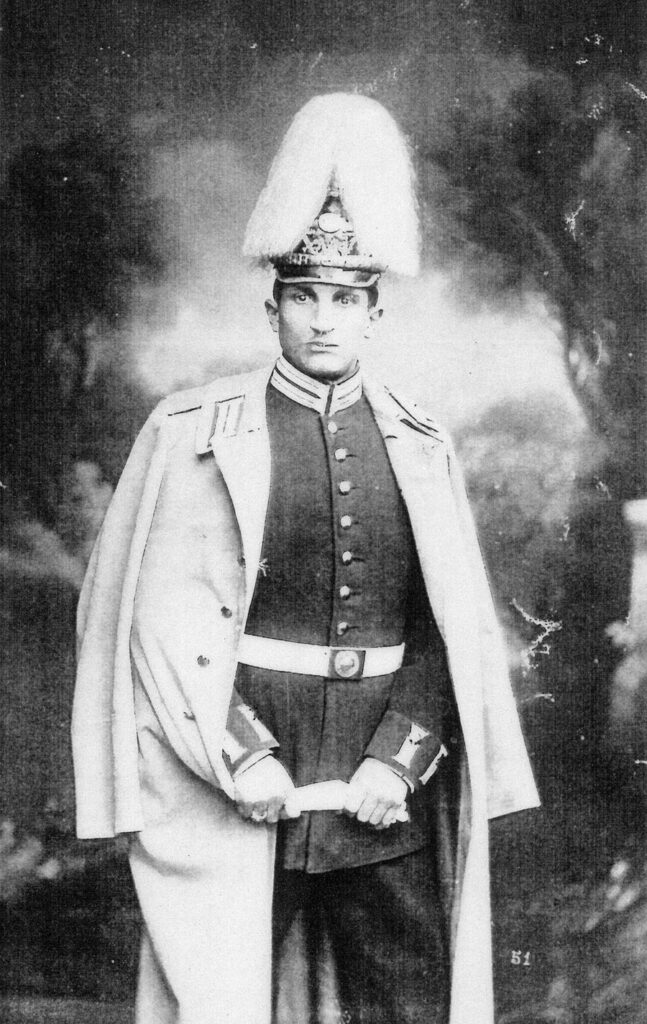
Kuno’s distinguished service on both the Eastern and Western Fronts meant there was more to uncover. We found photographs of him in uniform, Iron Cross citations (including one describing his act of bravery), and multiple wounded lists naming him. Using German regimental records, we mapped these documents to specific battles and locations, revealing where he fought and the extreme casualty rates his units endured.
Q: Many German Jews served in World War I, but their stories are rarely told. Why is this history overlooked, and why does it matter?
This history was effectively erased twice. The Nazis first purged Jewish soldiers from public memory, pushing the “stab-in-the-back” myth and stripping them of honours and pensions. Later, the subject became overshadowed by the Holocaust and did not sit neatly within either German or Jewish historical narratives.
We believe revisiting these stories is vital:
- To expose the Nazi lie. Over 100 000 Jews served in the Kaiser’s army; 12 000 were killed and 35 000 were decorated – facts that demolish antisemitic claims of disloyalty.
- To understand the heartbreak of betrayal. Men like Kuno fought believing their service proved and secured their place in German society. Their later persecution is one of history’s most profound betrayals.
- To reclaim a stolen legacy. These soldiers’ courage and identity, as both Germans and Jews, deserve recognition. Remembering them restores dignity and honours a chapter of history unjustly forgotten.
Through this journey – both on the bike and through the archives – we aim to restore Kuno’s place in our family story and in the broader historical record.
- For the current edition of the Cape Jewish Chronicle, click here.
- Subscribe to the Cape Jewish Chronicle: R450/year, or R38/month via debit order. Simply email us at subscriptions@ctjc.co.za and click here for payment info.
- The Cape Jewish Chronicle reaches over 6 000 readers monthly across print and digital platforms.
- To book advertising space or discuss a custom package contact Adéle Gradner Mobile: 083 321 5222 | Office: 021 464 6736 | Email advertising@ctjc.co.za


Hi Janet, we’re glad you enjoyed this article!