



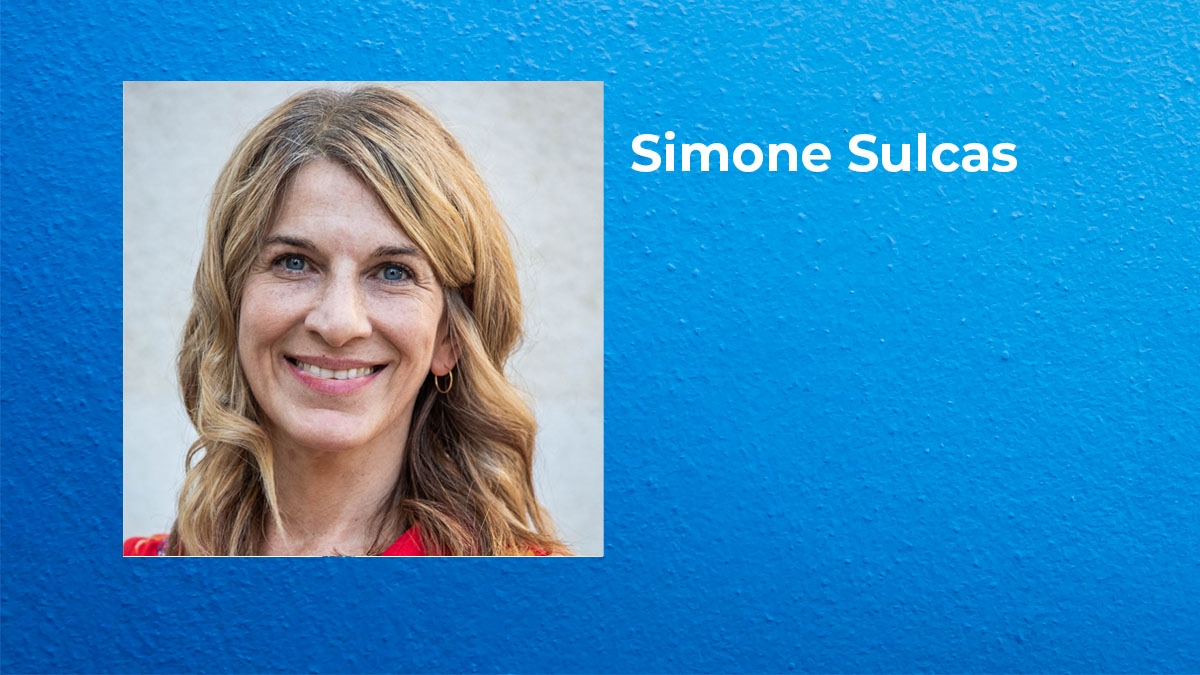
A few weeks ago, I listened to Dan Brotman speak about his experiences documenting Jewish communities around the world – communities that once thrived and today are shrinking, fragmenting, or disappearing altogether.
As someone deeply invested in the future of Jewish life in South Africa, what struck me most was not how distant these stories felt, but how familiar their underlying patterns were.
Across continents, Jewish communities rarely disappear because of a single catastrophic event. More often, decline is gradual and quiet. It begins with the loss of young people, opportunity, and confidence in the future. By the time erosion becomes visible, the foundations have already weakened.
Brotman’s work – from North Africa to the Middle East and parts of Europe – shows that even communities with deep roots and proud institutions are vulnerable when the next generation no longer sees a viable future where they are. Synagogues remain standing, schools continue to operate, and communal life carries on – but with fewer voices, thinner leadership pipelines, and diminished resilience.
One of the clearest lessons from his observations is that demographic decline almost always begins with young adults. They leave to study, to work, or to feel safer and more secure. Too often, they do not return. This is rarely about rejecting community or identity. It is usually a response to opportunity. Where young people believe they can access quality education, meaningful employment, and longterm prospects, communities tend to stabilise. Where they cannot, decline accelerates – even in the absence of overt persecution.
For South African Jewry, this is not an abstract warning. It is something many families in Cape Town and beyond are navigating in real time.
We see this dynamic play out locally. A student may choose to study in Cape Town, benefit from a strong academic environment, remain connected to Jewish life, and feel deeply rooted here. But as graduation approaches, the calculation often changes. If the next step – a first job, a graduate programme, or real professional advancement – seems more attainable abroad, leaving can feel almost inevitable. When this happens at scale, the impact is cumulative. It affects future leadership, communal sustainability, and the long-term vibrancy of Jewish life in South Africa.
This is not about a lack of commitment to Cape Town or to this country. It is about whether South Africa can offer not only a rich Jewish communal life, but a realistic and compelling future.
Higher education is often the first major fork in the road. If South African universities are perceived as academically inferior, unsafe, or hostile – particularly for Jewish students – the decision to leave becomes practical rather than ideological. Ensuring that our universities are globally competitive, intellectually credible, and genuinely inclusive is therefore not only a national concern; it is a communal one. Jewish students must feel able to study here without compromising their identity or personal safety.
But education alone is not enough. Young people may study locally and still leave if they do not see viable career paths afterwards. Job opportunities matter. Economic confidence matters. The ability to imagine a future in South Africa matters. If graduates believe that professional growth, innovation, and stability lie elsewhere, we should not be surprised when they follow opportunity abroad.
Preventing communal erosion is not about nostalgia. It is about strategy. As a South African Jewish community, we need to advocate firmly for safe, non-discriminatory university environments; strengthen partnerships between communal organisations, universities, and the business sector; support entrepreneurship, mentorship, and early career development; and speak honestly – without alarmism – about the long-term consequences of sustained youth outmigration.
Brotman’s work shows us what happens when communities wait too long to act. By the time decline is undeniable, rebuilding becomes exponentially harder.
Cape Town remains a vibrant centre of Jewish life in the diaspora. South Africa still offers a community that is deeply connected, highly engaged, and rich in institutional strength. But none of this is guaranteed. The future of South African Jewry will not be decided by a single crisis or headline. It will be shaped by everyday decisions: where young people choose to study, where they choose to work, and where they choose to build their lives.The strength of our community tomorrow depends on the opportunities we create for young people today.
Cape SA Jewish Board of Deputies | http://www.capesajbd.org | Instagram | Facebook
- For the current edition of the Cape Jewish Chronicle, click here.
- Subscribe to the Cape Jewish Chronicle: R450/year, or R38/month via debit order. Simply email us at subscriptions@ctjc.co.za and click here for payment info.
- The Cape Jewish Chronicle reaches over 6 000 readers monthly across print and digital platforms.
- To book advertising space or discuss a custom package contact Adéle Gradner Mobile: 083 321 5222 | Office: 021 464 6736 | Email advertising@ctjc.co.za



Excellent article and content!