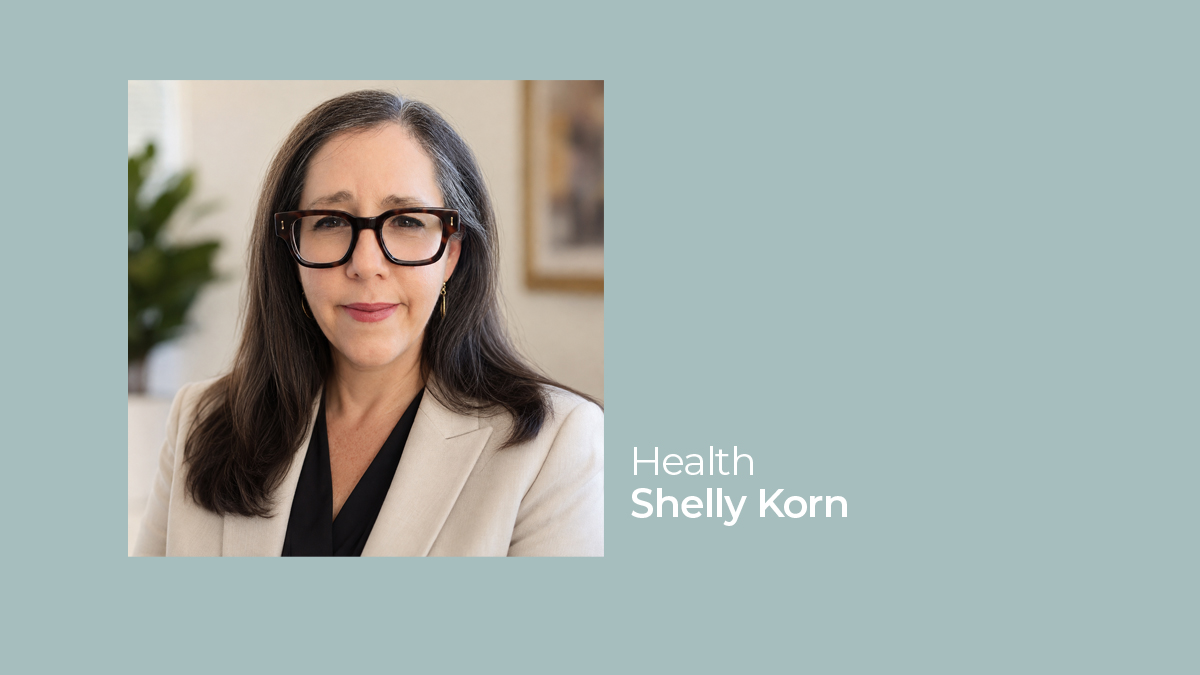
By Shelly Korn | Founder, Sunset Care
Last Rosh Hashanah, for the first time, my father-in-law was unable to join our celebration. His care needs made it impossible for us to bring him home or take him to shul. His place at the table was empty. His seat in shul remained unoccupied.
I knew he was safe and cared for. I understood why he could not be there. But none of that made his absence less painful. Throughout the Chag, I carried a deep anguish and a growing sense of guilt that I had somehow failed him – and failed our family. Perhaps the empty seat was so painful because it offered a glimpse of a future I was not ready to face. He was still alive, yet our family was already experiencing his absence.
Serious illness, ageing and dementia can bring many losses before death. A person may lose their independence, their familiar role in the family, their place in the community, and their ability to participate in traditions they once helped create. Gradually, they become less involved, less visible and easier to leave out. And so, the first loss is not always death. Sometimes it is the moment a person stops being expected. Usually, nobody intends for this to happen. Their disappearance is hidden inside reasonable concerns:
It may be too tiring for her. He won’t cope with the journey. She becomes unsettled around so many people. It is simply easier if he stays where he is.
Sometimes these concerns are entirely valid. Inclusion should never mean forcing a frail person through an occasion they can no longer tolerate. But it should make us pause and ask: What would help them feel that they still have a seat at the table? Perhaps they come only for Kiddush or leave after the soup. Perhaps someone sits beside them in shul or brings them home before the service ends. Perhaps the shofar, apples and honey, family stories and warmth of the celebration are taken to them. These gestures may be small, but their message is profound: You are still part of us. There is still a place for you here.
On Rosh Hashanah, we pray, Zochreinu l’chaim – “Remember us for life.” Perhaps, while asking G-d to remember us, we must also ask ourselves: Whom among the living have we forgotten?
The High Holy Days call us to return – not only to G-d, but to one another, especially those who may have quietly slipped beyond the circle of family and community life.
One day, when they are truly gone, we may honour them by preparing their favourite recipes. While they are still here, let us bring them a taste.One day, we may retell their stories. While they are still here, let us ask them to tell us one more. One day, their seats will be empty in the final sense. Until then, let us not empty them too soon.
Last Rosh Hashanah, I feared it might be our last Chag with my father-in-law. Thank G-d, he is still with us, living in a nursing home. This year, we have been given more time – time to prepare, and to find a way for the Chag to reach him. It is never simple or perfect, and the ache does not grow smaller – for him or for us. Still, we bring what we can: a familiar taste, a favourite Niggun, a family story, our presence. Small pieces of the Chag, carried with love. Perhaps, in each one, he hears the promise beneath them all: Your place in our family remains.
Wherever we gather, we have saved you a seat.