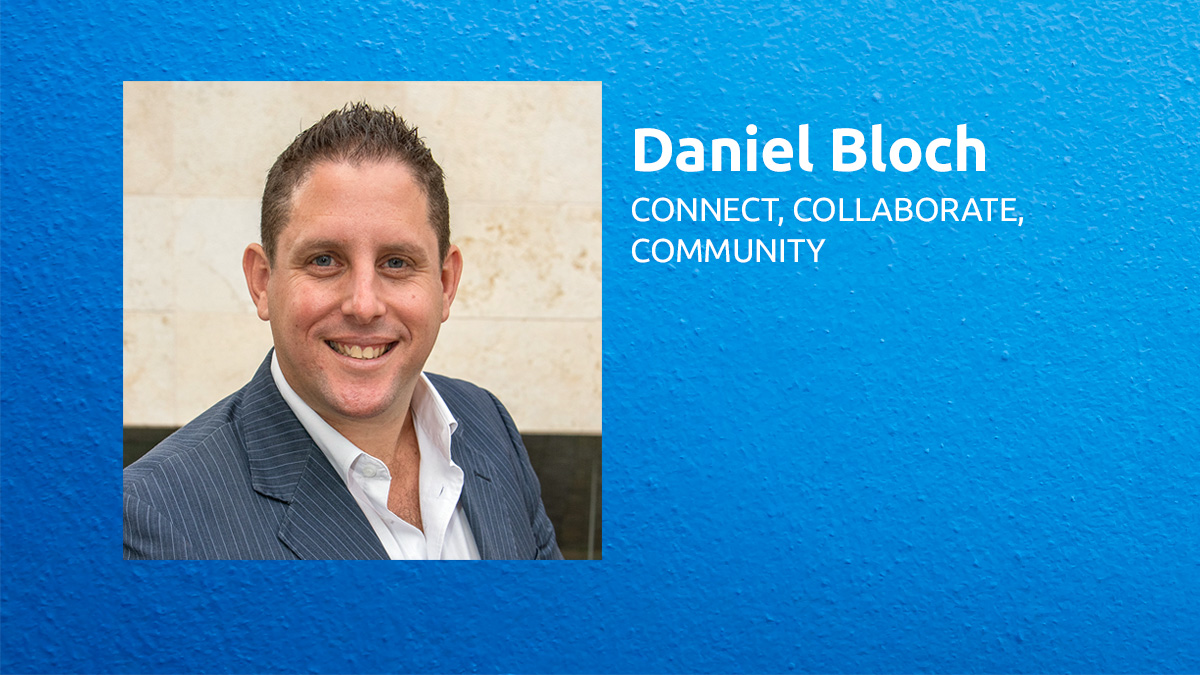
DANIEL BLOCH, Exec. Director, Cape SAJBD
Restorative justice is an approach to conflict and crime that focuses on repairing the harm caused by wrongdoing and bringing together everyone affected to seek healing and accountability.
But what does that mean in practice? How does the Cape SAJBD implement this strategy, and why should our community consider doing the same?
Our community has seen its fair share of media coverage over the past year relating to legal action. The courts in Cape Town have heard cases involving hate speech, antisemitism and defamation, with further matters still to come.
But at the Cape SAJBD, we cannot emphasise enough that legal action is generally our last resort.
Where circumstances allow, our preference is dialogue, education and mediation. It is when these avenues fail, or when conduct is sufficiently serious or persistent, that we turn to the courts and other legal remedies.
In fact, much of our work fighting antisemitism happens quietly, behind the scenes, through an approach grounded in restorative justice.
Not every person who makes an antisemitic statement is a committed antisemite. Sometimes the source is ignorance, misinformation, fear or anger in the heat of the moment. Some people we encounter have had little interaction with Jewish people, know very little about Judaism, and may not recognise classic antisemitic tropes or understand why particular language is so offensive.
That does not excuse antisemitism. But it can affect how we choose to respond to it.
Rather than immediately seeking to publicly shame an individual or damage them personally or professionally, we first ask whether there is an opportunity to change that person’s understanding.
Through engagement, we can explain why particular words or actions caused harm, provide information and context, listen to the other person’s perspective and seek genuine accountability. Where there is sincere remorse, this can result not only in a meaningful apology but, more importantly, in a change in attitude.
The objective should not always be to create another enemy. Sometimes we have an opportunity to create an ally.
Over the past year, we have dealt with several antisemitic incidents involving individuals who, once we engaged with them, demonstrated genuine remorse. In appropriate cases, a private conversation achieved far more than a public confrontation ever could.
This is also why we do not automatically seek to have people fired from their jobs, publicly humiliated or see their families dragged into disputes for which they bear no responsibility. Accountability should be directed at the conduct and the person responsible for it.
Of course, restorative justice has limits.
Some individuals refuse dialogue. Others persist with hateful conduct despite being given opportunities to reconsider their actions. And some statements or actions are simply too serious to be addressed through education and mediation alone.
In those circumstances, we will not hesitate to pursue appropriate legal remedies.
Restorative justice does not mean an absence of consequences. It means seeking accountability in a way that, wherever possible, repairs harm and changes behaviour rather than simply inflicting punishment.
Our community has an important role to play in this approach. When community members report antisemitism, they understandably want action. Sometimes that action will be public and legal. But often the most effective intervention will happen quietly.
We therefore ask our community to trust the process and recognise that success does not always require a court judgment, newspaper headline or public apology.
Sometimes success is an individual walking away from an encounter understanding Jews and antisemitism differently from when the conversation began.
At a time of extraordinary anger and polarisation, we need to be willing to engage and educate while remaining prepared to stand firm when necessary.
There will always be cases in which we must use every legal mechanism available to protect our community. We will continue to do so.
But strength is not measured only by our willingness to fight. It is also measured by our willingness to engage, educate and, where genuine remorse exists, forgive.
We should seek accountability without vengeance, education before condemnation, and dialogue wherever dialogue remains possible.
If we can turn ignorance into understanding, remorse into change, and potential enemies into allies, we do more than respond to antisemitism. We help defeat the hatred that created it.

Cape SA Jewish Board of Deputies | http://www.capesajbd.org | Instagram | Facebook
- For the current edition of the Cape Jewish Chronicle, click here.
- Subscribe to the Cape Jewish Chronicle: R450/year, or R38/month via debit order. Simply email us at subscriptions@ctjc.co.za and click here for payment info.
- The Cape Jewish Chronicle reaches over 6 000 readers monthly across print and digital platforms.
- To book advertising space or discuss a custom package contact Adéle Gradner Mobile: 083 321 5222 | Office: 021 464 6736 | Email advertising@ctjc.co.za