In recent weeks, the media have been fixated on the so-called ‘Afrikaner refugees’ who have been granted asylum in the USA. Words like “genocide” have been thrown around in reference to the Afrikaans community, and the story has been framed as if it represents South Africa’s most urgent concern.
But while this narrative has dominated headlines, far more pressing issues are being overlooked – issues that affect not 50 individuals, but thousands, even millions, of South Africans. Watching this disproportionate coverage unfold has left me feeling deeply unsettled.
Around the same time this story broke, I had just started a new volunteer role with Mensch. One of my first experiences was at Love in a Bowl, an NGO based on a farm in Hout Bay that grows nutritious food for those who lack access to it. There, a comment from the woman leading the project struck me and has stayed with me ever since: she offers meals to local children every Friday – not as a nice gesture, but because without that food, many of them would go hungry until Monday morning.
Let that sink in. In a city like Cape Town – one that, at a glance, appears relatively affluent – there are children who face weekends without a single proper meal. Regularly. That should shock us.
So when we talk about genocide, let’s be careful with our words. If we are going to invoke such a serious term, shouldn’t it be in response to the silent suffering of our most vulnerable – hungry children in our own communities – rather than the discomfort of a small group of people whose historic privilege is now being challenged?
Much has been said about the current state of the Afrikaans community, but what cannot be denied is the reality of hunger right here, in our midst. This is not a distant crisis. It’s hiding in plain sight. And it’s on our doorsteps.
Let’s shift our attention – and our outrage – to where it’s truly needed.

In this edition, we focus on youth – June being a time when the country should ideally recall the events of 16 June 1976, when young people in South Africa stood up to the apartheid regime. The events of that June, nearly 50 years ago, played a pivotal role in dismantling a system of deep injustice and discrimination.
As a country, we must do all we can to honour the courage and sacrifice of those teenagers – not least by confronting the real, ongoing challenges we face today. And for us as a Jewish community, one of those challenges is the growing number of our young people who are looking to build lives elsewhere. What can we do – practically and meaningfully –
to motivate them to stay, to feel hope, and to see a future here? ●
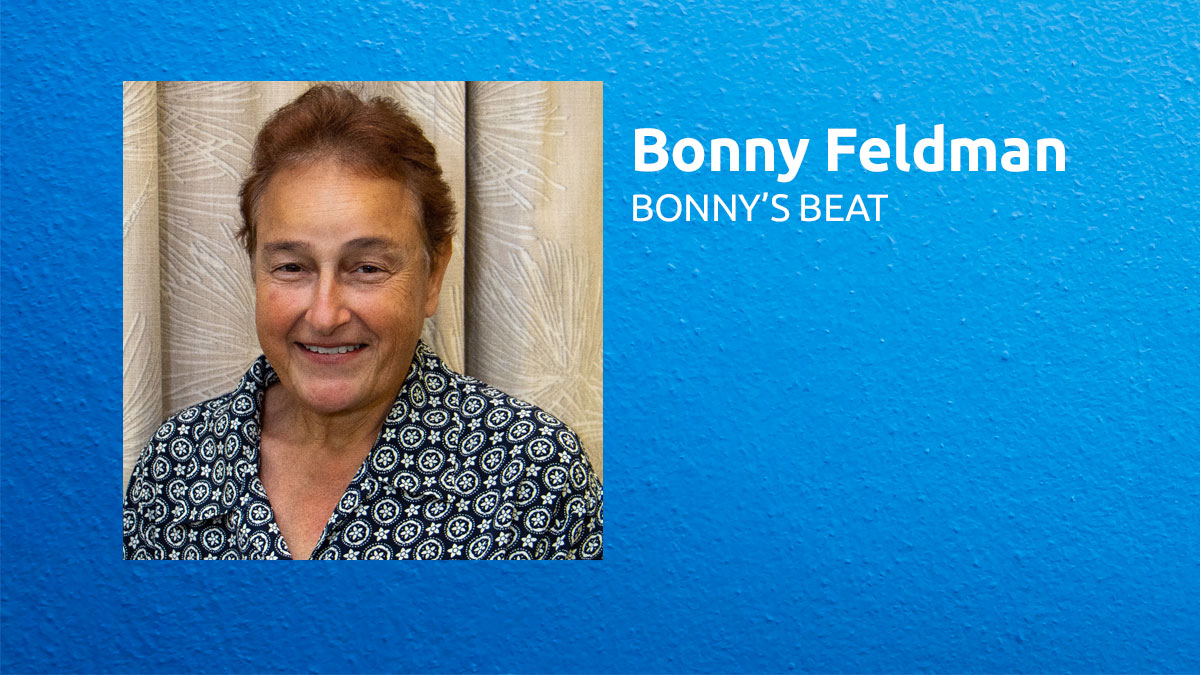
By BONNY FELDMAN, Editor
- JUNE 2025: Read the June 2025 Digital Edition in your browser as a Flipbook or a PDF.
- SUBSCRIBE: Subscribe to the Cape Jewish Chronicle for just R450/year (or R37.50/month debit order) and you will remain connected. Simply email us at subscriptions@ctjc.co.za and click here for payment info.
- ADVERTISE in the Cape Jewish Chronicle and on this website. Contact Lynette on 021 464 6736 or email advertising@ctjc.co.za.