BY KAREN MILLER
By any measure, it is an extraordinary twist of history that one of the most chilling confessions of the Holocaust should resurface – not in a European archive, but in the quiet keeping of a woman in Sea Point.
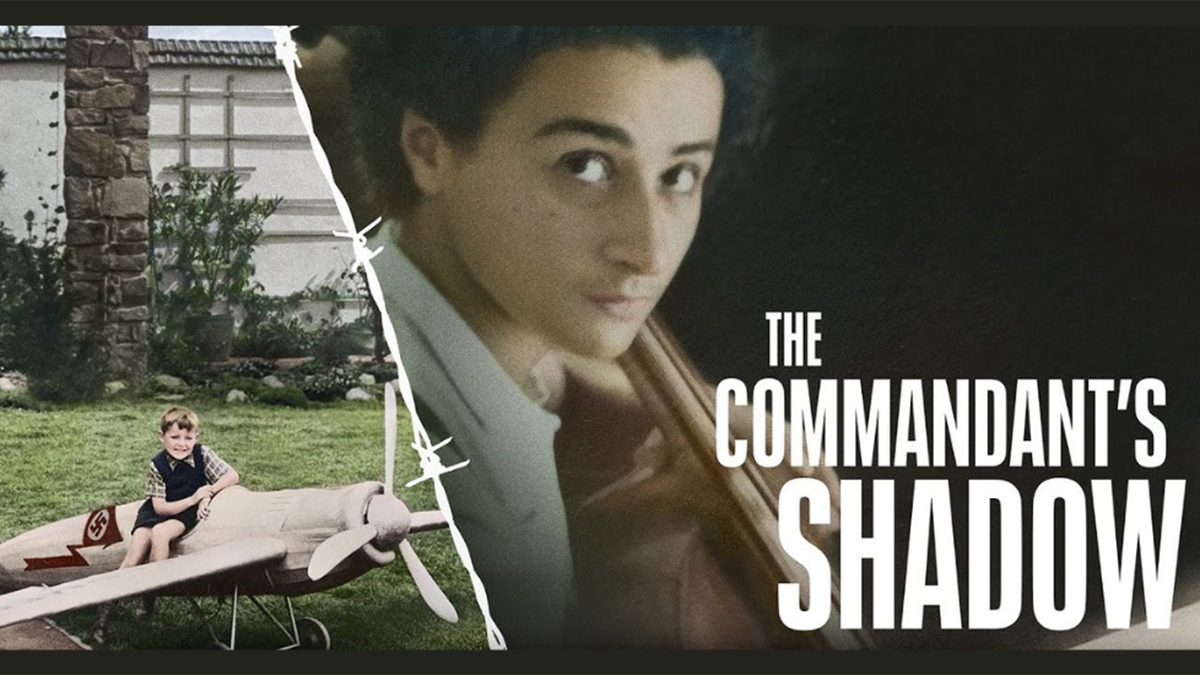
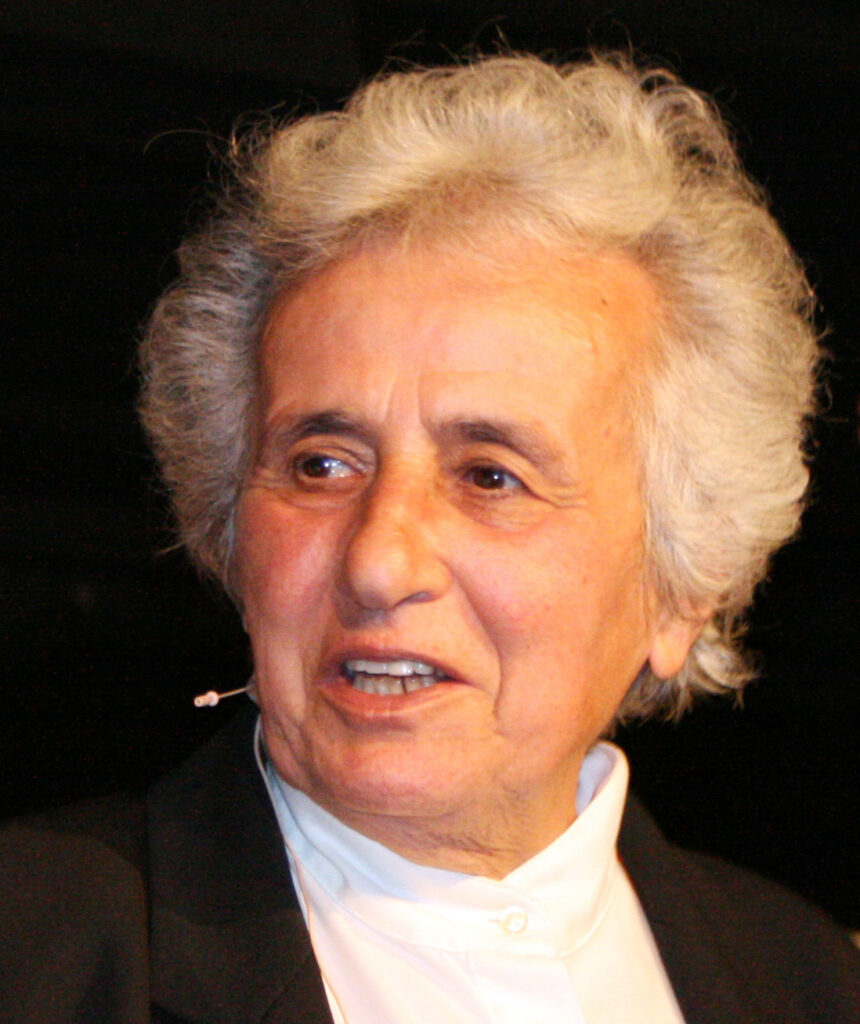
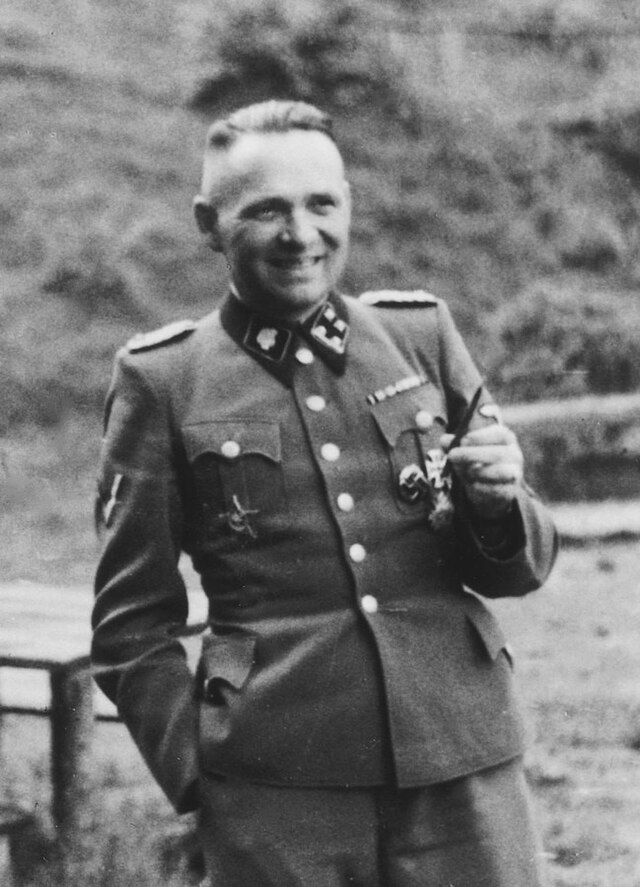
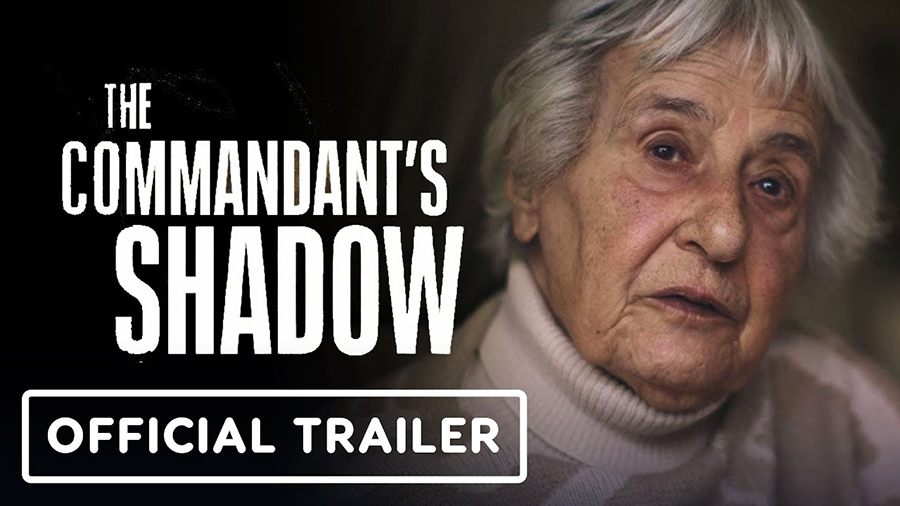
Earlier this year, at the Cape Town screening of The Commandant’s Shadow at the Cape Town Holocaust & Genocide Centre for International Holocaust Remembrance Day, audiences watched a moment of almost unbearable intensity. On screen, Maya Jacobs places several typed pages in front of her mother, Auschwitz survivor Anita Lasker-Wallfisch, and begins to read. The words are those of Rudolf Höss, the former commandant of Auschwitz, describing in cold, bureaucratic language his role in the machinery of mass murder.
Anita listens in stunned silence. Then comes the reaction that echoes long after the scene ends: “What a find.”
What the audience does not yet know is that those pages, Höss’s post-war interrogation statement, reached the film through an unlikely and deeply personal chain of events that led directly to Sea Point resident Jeanine Hack.
The story begins not in South Africa, but in the ruins of post-war Germany in 1946. Among the British forces tasked with hunting down Nazi perpetrators was an Austrian-born Jewish refugee who had reinvented himself under a new name: Charles Stevens MacKay. Born Karl Krumbein in Vienna in 1924, he had escaped Nazi persecution as a teenager on the Kindertransport and eventually enlisted in the British Army. Fluent in German, he served in the highly secretive X-Troop, a unit made up largely of German- and Austrian-Jewish refugees who interrogated captured Nazis and translated intelligence material.
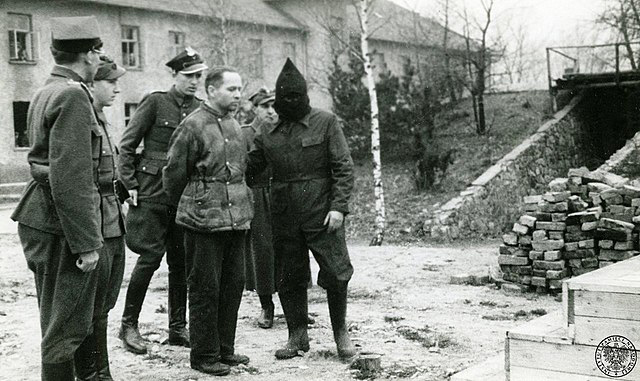
In March 1946, MacKay was part of the team that captured Rudolf Höss, who had been hiding under a false name. That same night, Höss was interrogated by British personnel, and a statement was taken. According to British historian Helen Fry, MacKay and another interpreter were present during the only night the British team held Höss, encouraging him to give a full account of his role in the death camps.
The resulting document is one of the most disturbing first-person admissions to survive from a senior perpetrator of genocide. Höss speaks not with remorse, but with a bureaucrat’s certainty that what he engineered at Auschwitz-Birkenau was simply the successful execution of orders.
For MacKay, the moment carried a devastating personal weight. His own parents, Max and Sabrina Krumbein, had been deported to Auschwitz and murdered. Years later, he would describe arriving at the camp and mistaking a mass of starving inmates for a wall. The man he was now helping to interrogate was directly responsible for the system that had destroyed his family.
In the room where Höss was captured, there was a bag of personal and evidentiary material. MacKay retained several items, including a copy of his 10-page typed English translation of Höss’s interrogation statement, photographs of Höss with Hitler, propaganda material, and other documents. After Höss was handed over to the Polish authorities in May 1946 and later executed in 1947, MacKay quietly returned to civilian life. He almost never spoke about what he had witnessed or done.
When MacKay died in 1976, the documents remained in the possession of his widow, Joyce. Fearing that it might be unlawful to keep such material, she did not release them. It was only years later, when she moved into a care home, that her niece, Judy Lee, helped clear the apartment. During the process, she rediscovered the interrogation statement and related items.
The collection would eventually find its way to the Imperial War Museum in London, where its historical value was formally recognised. But the story takes an intimate turn in a family direction rather than an institutional one:
Judy also shared copies of the papers with her cousin, Jeanine Hack. Jeanine is not a historian, archivist or filmmaker. She simply became the custodian of a fragment of history that had come into her hands through family ties.
The turning point came while Jeanine was writing her own book and reflecting on the long reach of Holocaust trauma across generations. Around the same time, she heard Maya Jacobs speak about the emotional inheritance carried by children of survivors. Something aligned. Jeanine realised that these pages, after she received them from her cousin, so long hidden, so heavy with meaning, belonged not in a drawer, but in a living conversation between generations. She thus contacted Maya and offered the interrogation statement, not knowing anything about a movie. Maya accepted.
In the documentary, one of the film’s most powerful encounters brings together Höss’s son, Jürgen Höss, and his own son Kai, alongside Anita and Maya, a meeting shaped by history, inheritance and moral reckoning. At its emotional centre lies the document itself: Höss’s voice, preserved in typewritten lines, confronting the human cost of what he so calmly described.
When Maya reads from the statement to her mother for the first time, Anita’s astonished response captures what so many feel watching the scene unfold: disbelief that such a document could still surface — and gratitude that it did.
What makes this moment all the more remarkable is that its final link was forged here, in Cape Town. From a Viennese Jewish teenager who escaped the Nazis, to an interrogation room in defeated Germany, to a family clearing out a small London flat, to a Sea Point home, and finally to a cinema screen where a survivor confronts the written words of the man who built her world of suffering, the journey of Rudolf Höss’s confession is a story of improbable connection.
It is also a reminder that even the darkest documents can, when placed in the right hands, become instruments of memory, accountability and truth.
The documentary film, The Commandant’s Shadow, is well worth watching. If you missed it at the Cape Town Holocaust & Genocide Centre, you can stream it via HBO.
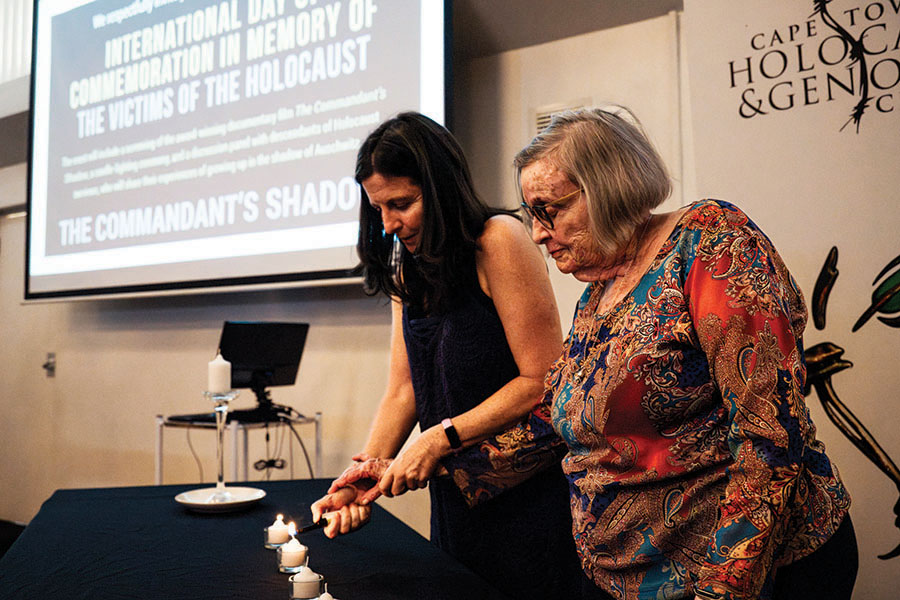
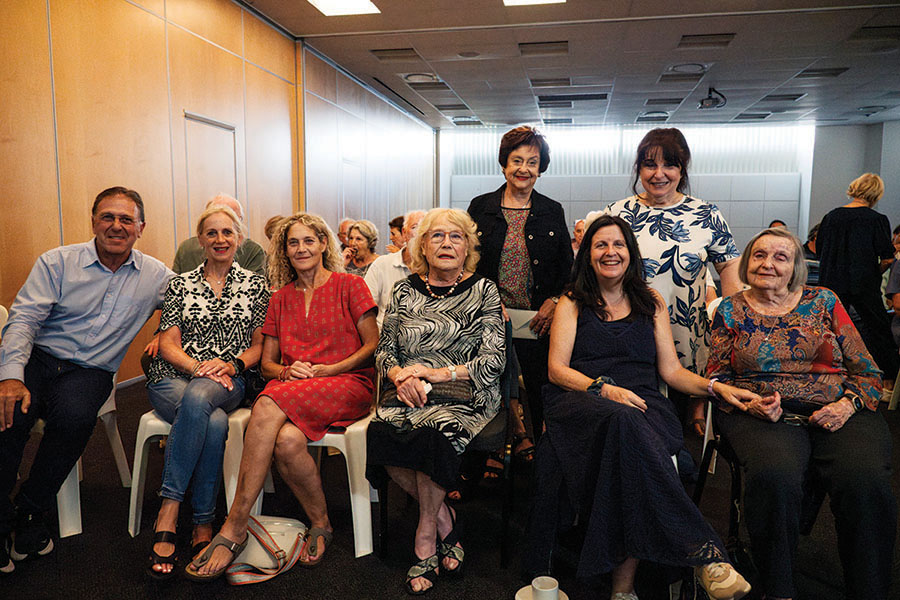
International Holocaust Remembrance Day 2026
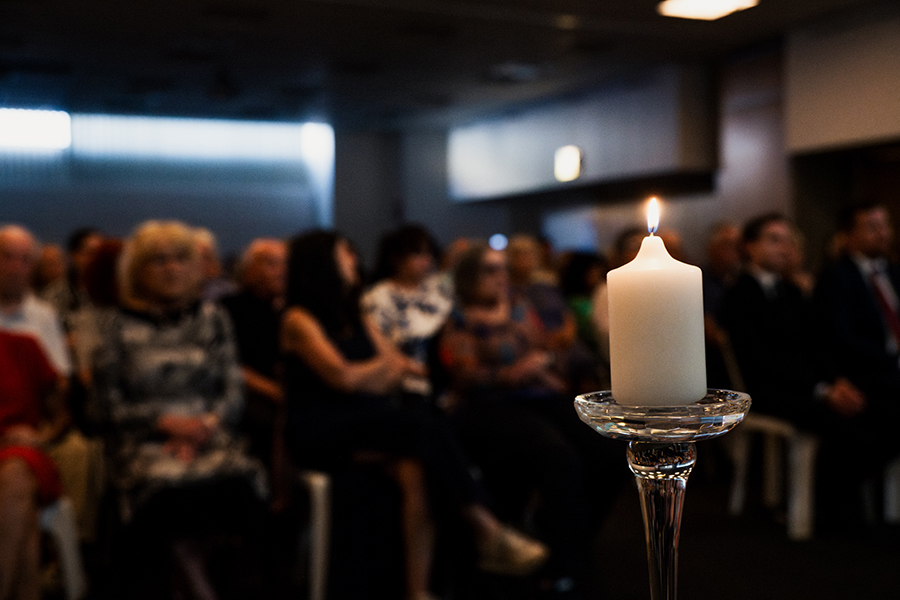
The Cape Town Holocaust & Genocide Centre marked the International Day of Remembrance with the showing of a fascinating documentary film, The Commandant’s Shadow. Before the movie was shown, six memorial candles were lit.
- For the current edition of the Cape Jewish Chronicle, click here.
- Subscribe to the Cape Jewish Chronicle: R450/year, or R38/month via debit order. Simply email us at subscriptions@ctjc.co.za and click here for payment info.
- The Cape Jewish Chronicle reaches over 6 000 readers monthly across print and digital platforms.
- To book advertising space or discuss a custom package contact Adéle Gradner Mobile: 083 321 5222 | Office: 021 464 6736 | Email advertising@ctjc.co.za