On the first night of Pesach each year, without fail, we reach the same point in the Seder. It’s late. We’re tired. The table is cluttered with wine cups and Haggadot. And then someone starts: “Who knows one?”
I smile, because I know exactly what is coming.
Voices join in – some confident, some hesitant, some out of tune (mine). “One is Hashem. Two are the tablets. Three are the fathers.” And suddenly, without much thought, everyone around the table is participating. Different generations. Different levels of knowledge. Different life stages. Yet the same song, sung in the same order, using the same words Jews have been using for centuries.
In that moment, I am always struck by the same realisation: Pesach is not only about remembering where we came from. It is about recognising that we are still here.
Pesach is the story of leaving Egypt. But for me, it has always been about more than that. It is about what happens after freedom. About what we do once the doors open and the journey begins.
Jewish history is not a neat sequence of events that happened to us. It is the story of how we responded – again and again – when everything changed.
After the destruction of the First Temple, we rebuilt. After the Second, we rebuilt again. Not just buildings, but community, learning, leadership and faith. Through exile and Diaspora, across countries and centuries, we carried Judaism with us and planted it wherever we landed.
We built families. We built institutions. We built lives of meaning.
After the Holocaust – when rebuilding must have felt almost impossible – survivors and their families did it again. They rebuilt homes and futures, restored Jewish life, and contributed profoundly to the societies around them, all while holding tightly to their Jewish identity and values.
This, to me, is the deeper message of Pesach. Freedom is not only about escape. It is about responsibility – about what we choose to do next.
Yetziat Mitzrayim is not just a story of survival. It is a story of purpose.
For thousands of years, Jews have maintained something extraordinarily rare: a continuous sense of identity. Different lands. Different languages. Different circumstances. And, still, we remained recognisably and unapologetically Jewish.
History also teaches us that such continuity can make a people a target. Memory, cohesion and clarity of identity have too often been seen as something to weaken or erase. That is why the protection of Jewish communities matters – not only for Jews, but because any society is stronger when people can live safely and openly as themselves.
But protection alone is not enough. Jewish continuity has never been accidental. It has always required each generation to choose it – to choose identity, community and responsibility.
Over the past two years, that truth has felt particularly close to home. Since October 7, Jewish communities around the world, including here in South Africa, have faced renewed hostility, scrutiny and pressure. And yet, alongside that, we have seen something deeply familiar and profoundly Jewish.
We have come together. We have strengthened our sense of who we are. We have shown up for one another.
We are standing more firmly in our identity – not in defiance, but in clarity. Once again, we are reminded that continuity is not passive. It is chosen.
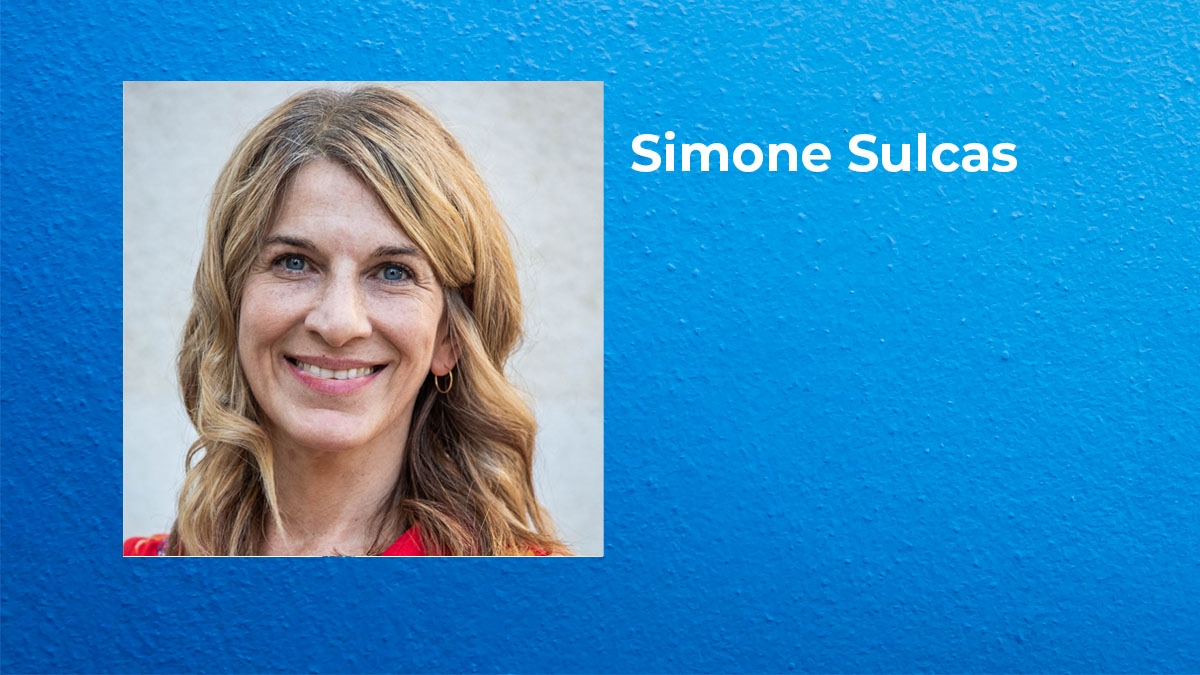
As Chair of the Cape South African Jewish Board of Deputies, I feel that responsibility deeply. Our work is not always comfortable. It often requires stepping into difficult spaces, navigating hard conversations and holding the line where it matters most. But Jewish leadership has never been about comfort. It has always been about service – to our community, our values and our future.
Pesach also reminds us that we cannot allow others to define our story or our moral framework. Our tradition is ancient, complex and rooted in dignity and responsibility. The freedom we gained when we left Egypt has never been something we
carried lightly.
For generations, Jews have used that freedom not only to sustain ourselves, but to contribute meaningfully to the societies in which we live – in law, medicine, education, science, culture, justice and community building. That, too, is part of the Pesach story.
We are a people shaped by memory, strengthened by responsibility and sustained by hope. Pesach teaches us that redemption is not a single moment. It is an ongoing journey – one that asks each generation to choose resilience over despair, purpose over fear, and identity over erasure.
My hope this Pesach is that it strengthens our sense of who we are, deepens our responsibility to one another, and inspires us to keep building – for ourselves, for our children and for the society to which we proudly contribute.
And when someone asks, “Who knows one?”, we answer – not out of habit, but because we have chosen to remember. ●
חג פסח כשר ושמח
Chag Pesach Kasher VeSameach

Cape SA Jewish Board of Deputies | http://www.capesajbd.org | Instagram | Facebook

- For the current edition of the Cape Jewish Chronicle, click here.
- Subscribe to the Cape Jewish Chronicle: R450/year, or R38/month via debit order. Simply email us at subscriptions@ctjc.co.za and click here for payment info.
- The Cape Jewish Chronicle reaches over 6 000 readers monthly across print and digital platforms.
- To book advertising space or discuss a custom package contact Adéle Gradner Mobile: 083 321 5222 | Office: 021 464 6736 | Email advertising@ctjc.co.za