By BubbleS Segall
The Lurie and Segall families helped bottle a piece of Stellenbosch history
From Lithuania to a new life
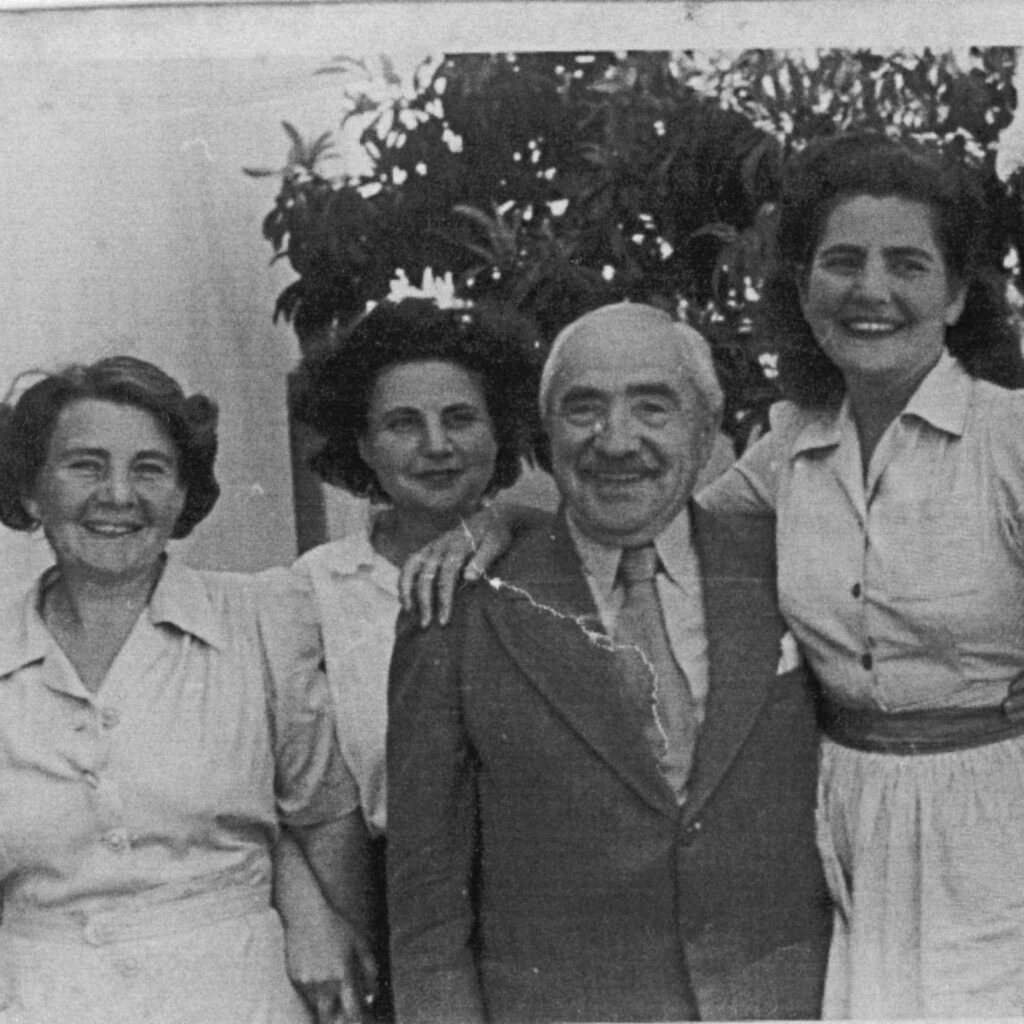
In the early twentieth century, long before soft drink brands became global products, a small family business in Stellenbosch became a familiar part of local life and a remarkable example of how immigrant families built businesses – and communities – together. This was the Silver Aerated Water Factory, founded by Lithuanian Jewish immigrants Edward Lurie and Daniel Herman Segall. The Lurie and Segall families became very close.
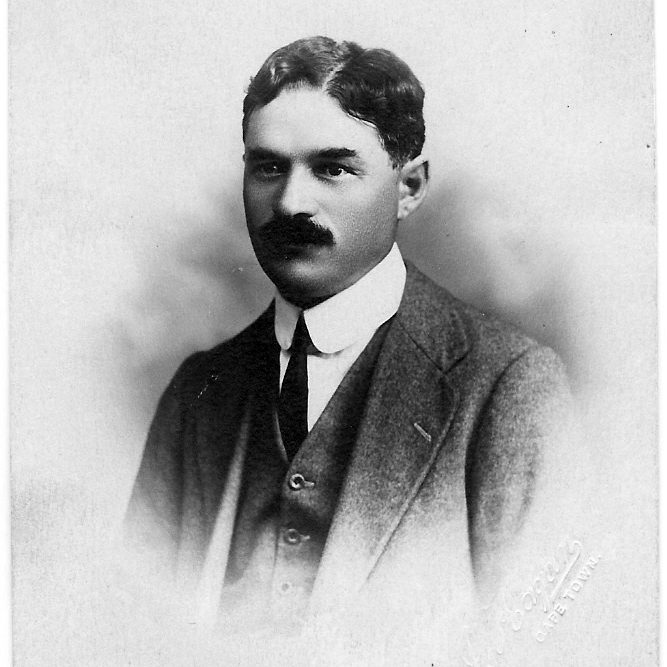
Edward Lurie, known as Zoona, was born around 1879 in what was then the Russian Empire, in present-day Lithuania. His early life was shaped by upheaval. His father died before he was born, and when his mother remarried and emigrated to the United States, Edward remained behind with his aunt and uncle, Sare and Chaim Leib Lurie.
They eventually left Eastern Europe in search of opportunity and a safer future. The family arrived in South Africa in the late nineteenth century. They first settled in the Transvaal but, when the Anglo-Boer War broke out in 1899, they moved to the Cape, where they ran a dairy farm in Wynberg.
A trader in Stellenbosch
At some point Edward made his way to the town of Stellenbosch, a small agricultural centre serving the surrounding farms and vineyards.
There he began working as a smous, a travelling trader who moved from farm to farm selling household goods and clothing from a horse-drawn cart. These traders played an important role in rural life at the time, bringing supplies to isolated farms where shops were few and far between.
Later on, he rented a small cottage in Dorp Street and opened a grocery shop nearby.
Stellenbosch had a very small Jewish population in those days, and it was perhaps inevitable that Edward would meet another newcomer from Lithuania – Daniel Herman Segall.
A partnership begins
Daniel Segall had been born in Siauliai, Lithuania, and arrived in South Africa around the turn of the century. Like Edward, he was part of the wave of Lithuanian Jewish immigrants who came to South Africa between the 1880s and the early twentieth century. Many of these immigrants began as traders or small shopkeepers before gradually building larger enterprises.
By 1902, shortly after the end of the Anglo-Boer War, Lurie and Segall had entered into business together. Their venture became known as the Silver Aerated Water Factory, producing bottled soft drinks for Stellenbosch and the surrounding farming districts. The factory operated from Beyer Street, close to the old Coetzenberg Hotel.
In an era before large beverage companies dominated the market, towns across South Africa often had their own small aerated water factories. These businesses supplied local shops, farms and travellers passing through town.
A family enterprise
The Lurie and Segall partnership proved successful. In 1919 they expanded their activities by establishing a second enterprise, the Wholesale Supply Company, operating from the same premises as the factory. Together the businesses became a small but well-known part of Stellenbosch’s commercial life.
As with many immigrant businesses of the time, family members played an important role in keeping the enterprise running. The next generation of Lurie and Segall cousins helped out during school holidays, washing returned bottles, removing sticky residue and dust, and labelling them for the next day’s production.
At the time, most roads in Stellenbosch were still gravel, and dust quickly settled on the bottles. Because glass was expensive, bottles were carefully washed and reused many times. Cleaning them could be laborious, especially the heavy Codd bottles used for aerated drinks, which contained a marble in the neck that helped seal the carbonation.
Despite the work involved, these tasks became part of the rhythm of family life. Cousins worked together in the factory yard, learning the routines of the business that their parents and grandparents had built.
The next generation
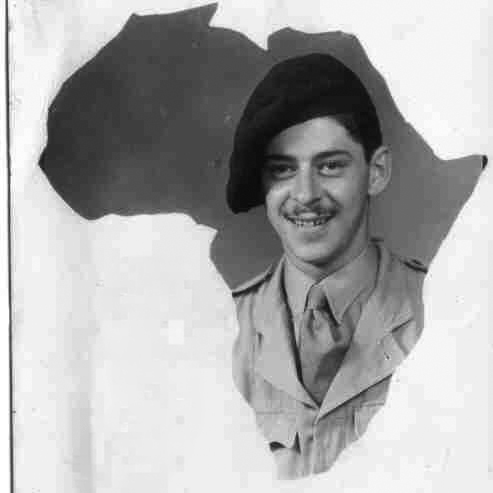
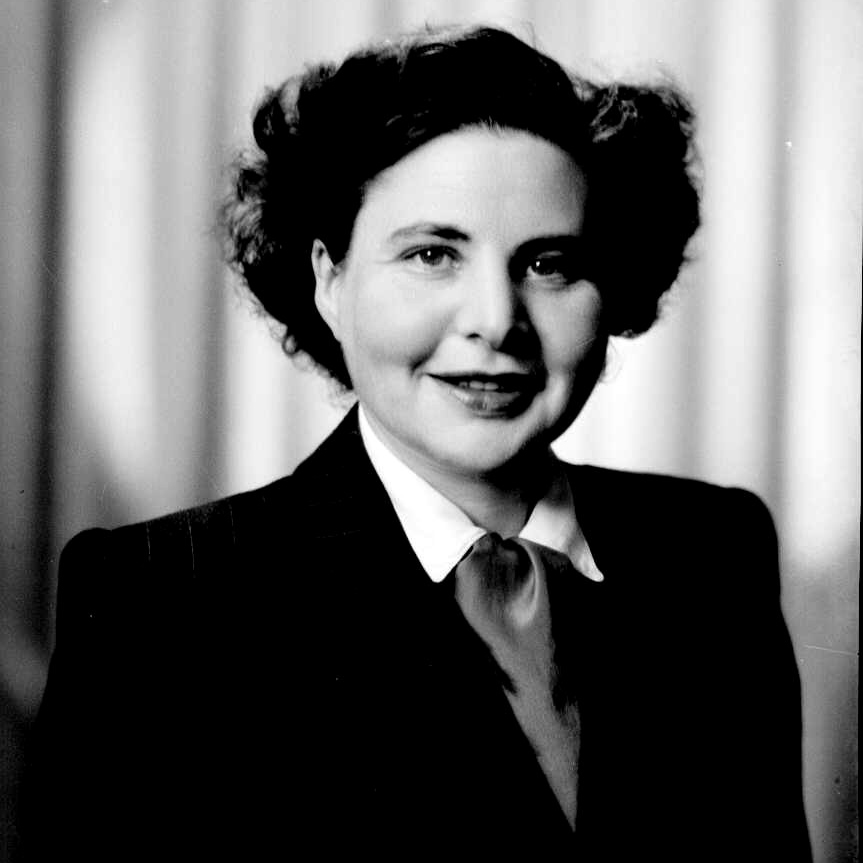
After Daniel Segall’s death in 1948, the partnership passed to the next generation. His son, Edward Gerald (Eddie) Segall, and Edward Lurie’s daughter Riva inherited the two businesses and continued the family enterprise.
By the early 1950s the original premises had become too small to accommodate both the wholesale business and the soft drink factory. In 1953 Eddie built a new factory on the corner of Bird Street and Merriman Avenue, modernising the operation and continuing the family tradition.
For many years the factory remained part of everyday life in Stellenbosch, supplying local shops and farms with popular soft drinks, including the much-loved Iron Brew that locals remembered fondly.
The end of an era
Eventually, however, times changed. By the late 1950s and early 1960s large multinational beverage companies such as Coca-Cola began to dominate the market. Maintaining the ageing machinery in a small independent factory became increasingly difficult and expensive.
Reluctantly, Eddie Segall closed the factory, bringing an end to more than half a century of family enterprise.
Yet the story did not disappear. Among the reminders are old glass bottles once used by the factory – small artifacts that carry with them memories of a partnership, a family business and a particular moment in Stellenbosch history.
Eddie couldn’t discard the heavy Codd bottles after the factory closed, as they symbolised his family’s history – his father’s partnership, childhood memories, and the work that shaped their lives. And so he buried them in his garden. Once he passed away in 1990, his children unearthed the bottles and shared them as a touching memory. These bottles represent more than just factory artifacts; they embody migration, partnership, and the resilience of a first-generation South African family.
More than anything, the story of the Silver Aerated Water Factory is a story of the journey of two Lithuanian Jewish immigrants who built a life far from home, and of the children and cousins who helped carry their work forward.
Through the Lurie and Segall families, a small soft drink factory became part of the fabric of a town – and a lasting chapter in the story of Jewish life in Stellenbosch.
- For the current edition of the Cape Jewish Chronicle, click here.
- Subscribe to the Cape Jewish Chronicle: R450/year, or R38/month via debit order. Simply email us at subscriptions@ctjc.co.za and click here for payment info.
- The Cape Jewish Chronicle reaches over 6 000 readers monthly across print and digital platforms.
- To book advertising space or discuss a custom package contact Adéle Gradner Mobile: 083 321 5222 | Office: 021 464 6736 | Email advertising@ctjc.co.za