
I’m sorry to tell you, its bad news…
Few words change a life as swiftly and profoundly. Hearing bad medical news can feel as though the ground has shifted beneath your feet. It’s shocking, disorienting, and overwhelming – even when you thought you were prepared for it.
Everyone responds differently to difficult news. Some people spring into hyper-action mode or go completely numb. Others cry, rage, shut down, or retreat into denial. All of these reactions are valid. In those early moments, what matters most is anchoring yourself in knowledge and support.
This article offers practical tools to help you process and respond to difficult health news with clarity and care.
Be your own advocate
When you receive a serious diagnosis, your first step is to ask clear, specific questions. Don’t hesitate to say, “I don’t understand – can you explain that in plain language?” You have the right to information that makes sense to you.
If you feel overwhelmed, ask your doctor to pause. Take time to absorb what you’ve heard. Write things down during the appointment and read them back to confirm your understanding. Focus on the matters that are most important to you, and don’t leave until you have clarity.
Knowledge is power
Clinicians are often pressed for time, with their own priorities to cover during each appointment. This makes it all the more essential for you to be informed and prepared. Educate yourself both before and after each appointment.
Ask your doctor to recommend reliable resources – books, support groups, or trustworthy websites. The internet can be a valuable tool, but it’s also a minefield of misinformation. Stick to reputable sources, and if you explore online communities or forums, choose those recommended by your healthcare provider. Peer-to-peer support can be powerful, but it can also be draining, misleading and overwhelming. Choose wisely.
Hero support
Receiving bad news can feel like entering battle – armed with courage but unsure of the outcome. Many people try to shield their loved ones by attending consultations alone. But facing those conversations solo can make a difficult situation even harder and more isolating.
More often than not, your loved ones want to be there for you. Bring someone you trust – a spouse, a friend, a sibling. They can take notes, ask questions, advocate on your behalf and, most importantly, be present with you – before, during, and after the conversation. Their presence is not only practical but deeply grounding.
Avoid the self-blame trap
Shock, fear, guilt, and anger often follow a diagnosis. You may find yourself asking, “Why me?” or falling into self-blame: “I should’ve eaten better, exercised more, not skipped that check-up… maybe it’s my bad genes.” These thoughts are normal – but not helpful.
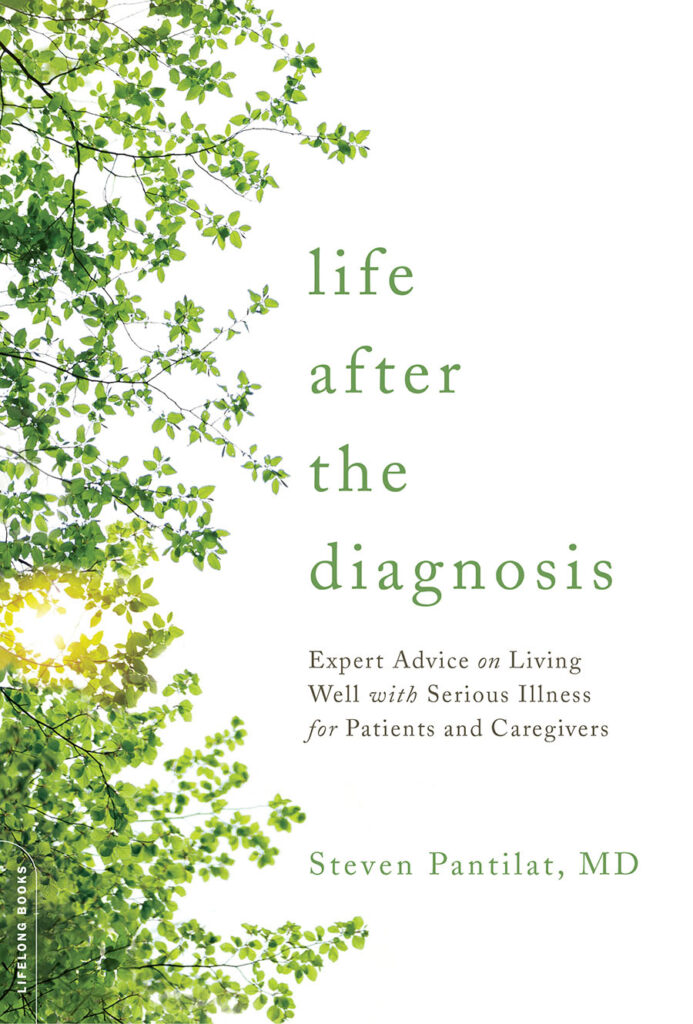
Most serious illnesses arise from a complex mix of factors, many of them outside your control. You did not cause this. You do not deserve it. Try to release the guilt. As Dr. Steven Pantilat writes in Life After the Diagnosis: “Placing guilt and blaming yourself doesn’t help. Instead, focus on what you can do to move forward.” You’ll find his book at the Gitlin Library, and I highly recommend it.
Dealing with grief
Grief often arrives long before any physical symptoms. It may come as grief for your health, your future, your sense of security. There is no rulebook for grief – no formula. But you don’t have to navigate it alone.
Speaking to someone who understands can help. The trained counsellors at Nechama offer support to individuals and families navigating illness and change. To connect with a Nechama counsellor, call (021) 465 9390.
Finding meaning and resilience
A diagnosis doesn’t mean life stops. Yes, it changes – but it continues. Often, it opens new pathways to deeper presence, greater clarity, and more meaningful connection. You may find you are more resilient than you ever imagined. With the right support, you can chart a new course – one that honours your needs, your values, and your story.
Looking ahead
In the upcoming three months, we’ll explore care planning for seniors: beginning with how to drive these conversations with the family, understanding and assessing the various residential care options available and choosing the right one. Then, we’ll look at home-based care and what to consider when selecting a provider. Finally, we’ll explore how to build a care plan across the care continuum that reflects your values, evolving needs and goals. ●
By Shelly Korn, Care Imagineer
If you’d like to discuss anything relating to comfort care with Shelly, please email your details to editor@ctjc.co.za
- JUNE 2025: Read the June 2025 Digital Edition in your browser as a Flipbook or a PDF.
- SUBSCRIBE: Subscribe to the Cape Jewish Chronicle for just R450/year (or R37.50/month debit order) and you will remain connected. Simply email us at subscriptions@ctjc.co.za and click here for payment info.
- ADVERTISE in the Cape Jewish Chronicle and on this website. Contact Lynette on 021 464 6736 or email advertising@ctjc.co.za.