Home Blog Page 25

Reflecting on the past year 

By ADRIENNE JACOBSON

We are living through one of the most difficult times in modern Jewish history. 

At last year’s AGM, we reflected on how the Jewish world shifted on its axis after October 7th. A year later, the reality is more sobering. Hostages are still in captivity under horrific conditions, the war rages on, with suffering of innocent civilians on all sides. Jewish communities globally face waves of Anti-Zionist Antisemitism and hostility. Synagogues have been set alight, Jewish businesses vandalised, violent protests are everywhere, and Antisemitism is rife in professional, media, political, academic and social spaces. It feels as if the world is reverberating with hatred and violence.  

Our community in South Africa faces unprecedented challenges. An antagonistic relationship with the ANC ruling party aligned with Hamas and Iran; the ICJ case against Israel; the proposed severing of diplomatic ties with Israel; the obsessive focus on Middle East foreign policy, while unemployment, poverty and economic crisis loom; as well as a risk of the breakdown of US trade agreements. The Government of National Unity has seen a curtailing of some of the ANC’s most inflammatory rhetoric and offers cautious hope, but the work of the SAJBD at this time has never been more important.  

Despite these challenges we have forged remarkable outcomes. Together with the National SAJBD on whose executive Tzvi Brivik and I sit, under the inspired leadership of Chair, Karen Milner, we have worked hard to strengthen diplomatic engagements with governmental bodies fostering understanding and countering prejudice with staunch resistance. Our advocacy has amplified Jewish voices ensuring we are heard, our rights are protected and that South Africa does indeed belong to all those who live in it.

We are proud to play our part in ensuring our rights are protected on the principle that South Africa belongs to all those who live in it.  

Despite the challenges, the situation for our community in South Africa remains one of the best in the world. We are free to live proudly and safely as Jews; however, we should be neither blinded by pessimism nor lulled into complacency.  

Combating Antisemitism 

Cape Town has been at the forefront of hostility around the Middle East conflict – protests outside our Community Centre, online hate, and intimidation of Jewish businesses. Our response has been clear: legal action, advocacy, and strengthening relationships with government, media, academia, and civil society. 

This year we opened four Antisemitism and hate speech cases in the Equality Court. One has resulted in a guilty verdict, with an apology and recompense ordered – an important precedent and warning that hate will not be tolerated under South African law. These cases are not only about Jewish dignity, but about safeguarding democracy itself. 

I want to thank our Vice Chair, Simone Sulcas, for her expert leadership of the Antisemitism and Legal Subcommittee, and Advocate Eduard Fagan for his masterful legal work and unwavering friendship to our community. 

Universities and civil society 

Our engagement with UCT has focused on three fronts: leadership, academics, and students. With the new Vice Chancellor and his team, we have worked to ensure the university remains a space for excellence, not political rhetoric. 

This year’s Israel Apartheid Week saw SAUJS successfully pre-empt the narrative with a creative strategy, ensuring calm and constructive engagement. Congratulations to Chair Rachel Segal and her exec, and thanks to UCT staff for their support. Together with the National Board, we continue to challenge the academic boycott of Israel as amicus in court, determined to restore inclusivity and fairness to campus life. 

Protests in Cape Town have declined in size but increased in motorcades. Working with the City, SAPS, and Law Enforcement, we have ensured that the right to protest is upheld while the law is enforced. In December, when an IED was thrown over the wall of the Samson Centre, swift action by CSO, SAPS, and the bomb squad prevented disaster. We remain in close contact with the Security Cluster at the highest levels and continue to prioritise vigilance and safety. 

International engagement 

Our participation this year in the global Jewish Leadership Arena has been important. We have attended international conferences, meetings and briefings in New York, London, Jerusalem and Sydney, strengthening ties with the AJC, ADL, World Jewish Congress, and sister Boards of Deputies abroad.  

We have forged strong relationships and partnerships and felt the Jewish heart beat as one as we stand together Am Echad Im Lev Echad in support of our respective communities’ challenges.  

Gratitude and leadership 

This past term has been among the most challenging in many years, yet also one of the most inspiring. Around the Cape SAJBD table I have witnessed brave, thoughtful, and principled leadership. 

I am deeply grateful to our executive and our professional team. Our Board members have demonstrated wisdom, insight, and commitment. And we thank the Allocations Committee of the UJC, led by Bernard Osrin, for making our work possible. 

Closing reflections 

It has been an honour and privilege to have Chaired the Cape SAJBD at this time in history. While we are proud of our achievements, we are mindful of the work that lies ahead. The path to peace in Israel feels elusive and the plight of the hostages and the toll of war weigh heavily in our hearts.  

We pray for peace, for the safe return of the hostages, and for healing for all touched by violence. May we continue to build a community where every Jew feels safe, proud, and connected. May our strength come not only from Jewish values but from the way we support and uplift one another. ●

Cape SA Jewish Board of Deputies | http://www.capesajbd.org | Instagram | Facebook


  • For the current edition of the Cape Jewish Chronicle, click here.
  • Subscribe to the Cape Jewish Chronicle: R450/year, or R38/month via debit order. Simply email us at subscriptions@ctjc.co.za and click here for payment info.
  • The Cape Jewish Chronicle reaches over 6 000 readers monthly across print and digital platforms.
  • To book advertising space or discuss a custom package contact Adéle Gradner Mobile: 083 321 5222 | Office: 021 464 6736 | Email advertising@ctjc.co.za

I am Ella – 48632 – Survivor

BY ADELE SANDERS 


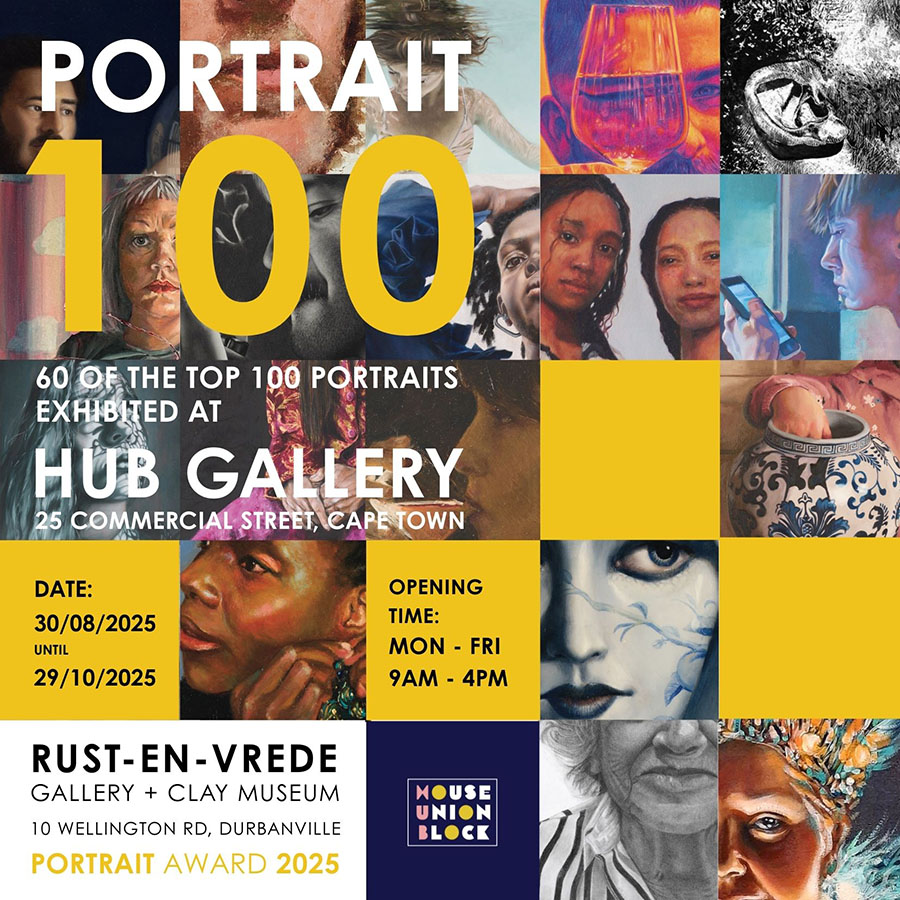
The work of seasoned Cape Town artist Adele Sanders has been recognised for its excellence through the inclusion of her portrait of Ella Blumenthal in the Top 100 portrait works in the Rust-en-Vrede Gallery’s Portrait Award for 2025. This award is a highly respected national award in South Africa, akin in status to the Herbert Smith Freehills Kramer Portrait Award in the UK (originally known as the BP Award). Adele’s work has previously been acknowledged in this Award but this year’s placing is the best achievement thus far.

The stringent selection process for the Rust-en-Vrede Portrait Award 2025 involves the expertise of a panel of three independent, invited judges. The submitted portraits are not signed and therefore anonymously judged; and the judges’ decisions are not shared. 

Adele shares the inspiration for her portrait, I am Ella – 48632 – Survivor.

On hearing Ella Blumenthal’s talk at the Holocaust Centre in Cape Town, I knew that I was in the presence of an extraordinary lady, whose likeness I had to capture in an artwork. Ella stood and spoke for two hours, without notes. A major achievement for anyone, let alone a lady of 98 years young, at that time! 

To learn more about Ella’s life, one can read Ella’s book; or choose to watch the hugely successful animated movie made by Jordy Sank and Gabriella Blumberg called I am Here. My aim was to capture Ella’s story in a portrait that would do her proud. This tribute to Ella took six months to create and to complete. The photos that I took of Ella that evening, as she stepped off the podium, served as the resources for her portrait. 

After obtaining Ella’s permission via her daughter, Evelyn Kaplan, the next consideration was whether Ella’s portrait should be done in oils or in a graphite drawing. I chose the latter.   

Portraiture as an art form is hugely humbling. Spending many hours accessing the subject’s essence is an intensely personal and privileged experience. Ella’s portrait was even more so because every facial line and nuance was a reflection of her traumatic experience. Her portrait highlights the pain, the torment and the anguish that she suffered during her time in the concentration camps. But also clearly visible is this woman’s courage, resilience, iron will and the immense power of her faith.

Ella, now 104 years old, currently lives happily in the home of her daughter Evelyn and son-in-law Paul, surrounded by much loving care. 

Because we share our Jewish heritage, Ella’s story reaches deep into my consciousness and my Jewish soul. This sense of connection to my Jewishness is very powerful.

The stories of my late mother’s history during the pogroms in Poland have provided additional insight, which assisted in my creation of Ella’s portrait. 

The portrait ‘I am Ella – 46832 – Survivor’ has been created as a tribute honouring Ella. 

That it has been selected among the top 100 portraits, is both gratifying and humbling. The electrifying vibe at the opening of this exhibition, proves that portraiture is alive and well in South Africa!  

I’ve turned heART-ache into ART. ●

Commenting on how she treats light and shade in her work, Adele Sanders explains that, “Chiaroscuro, the light and the shade, the shadows and the reflected light, underpin every form. In art I strive to filter out the worldly clutter and noise, focusing on the pivotal essence of the sitter, engaging the viewer by capturing the authenticity of the image.”

Exhbition on until 29 October 2025.
Venue: Spier Arts Trust, Union House, 25 Commercial Street, Cape Town.  

Free admission, Monday to Friday 09H00–16H00


  • For the current edition of the Cape Jewish Chronicle, click here.
  • Subscribe to the Cape Jewish Chronicle: R450/year, or R38/month via debit order. Simply email us at subscriptions@ctjc.co.za and click here for payment info.
  • The Cape Jewish Chronicle reaches over 6 000 readers monthly across print and digital platforms.
  • To book advertising space or discuss a custom package contact Adéle Gradner Mobile: 083 321 5222 | Office: 021 464 6736 | Email advertising@ctjc.co.za
Bnei Mitzvah: MAZAL TOV!

Bnei Mitzvot

Mazal Tov to Ryan Jacobs and family.

Temple Israel http://www.templeisrael.co.za


  • For the current edition of the Cape Jewish Chronicle, click here.
  • Subscribe to the Cape Jewish Chronicle: R450/year, or R38/month via debit order. Simply email us at subscriptions@ctjc.co.za and click here for payment info.
  • The Cape Jewish Chronicle reaches over 6 000 readers monthly across print and digital platforms.
  • To book advertising space or discuss a custom package contact Adéle Gradner Mobile: 083 321 5222 | Office: 021 464 6736 | Email advertising@ctjc.co.za
Nahum Goldmann Fellowship

default

JOSHUA FRIEDMAN, Programme & Development Manager, Cape SAJBD

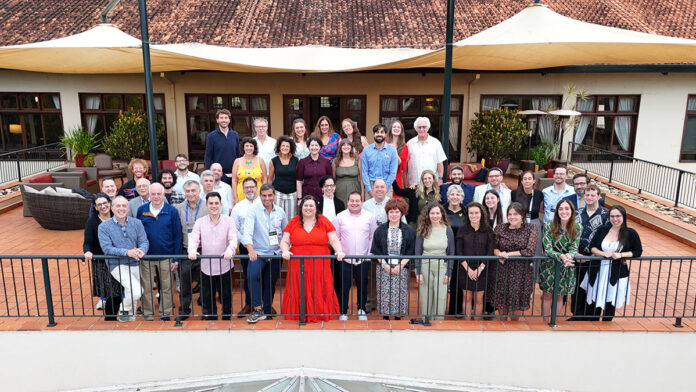
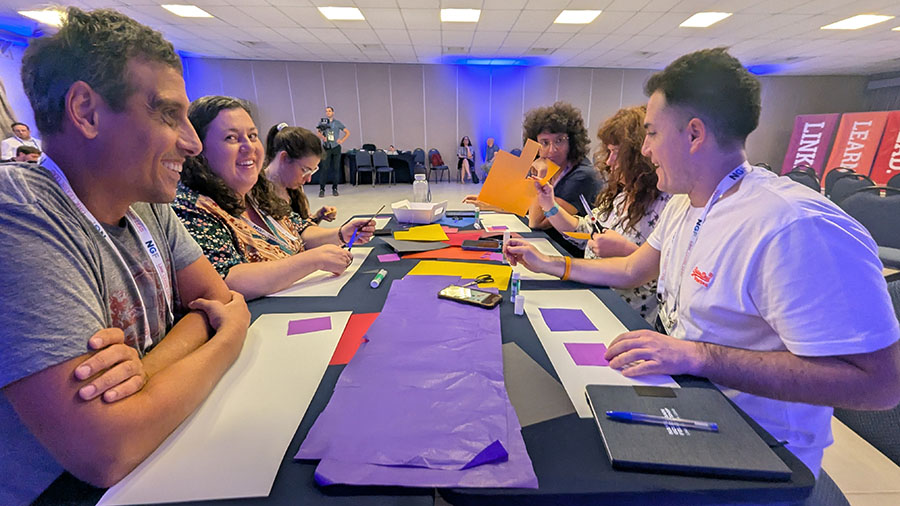
I had the privilege of being selected as one of 36 Fellows for the international Nahum Goldmann Fellowship (NGF), which this year took place just outside São Paulo, Brazil, during late August.

When I received the acceptance notification – after a process involving essays and video interviews – I was both thrilled and daunted. I didn’t know anyone attending; I had never been to Brazil; and I had no idea how I’d manage in Portuguese. In short, I had more questions than answers. What followed, however, was an experience that profoundly shaped my Jewish identity, leadership, and sense of global connectedness.

For context, the NGF is a global Jewish leadership programme designed to deepen Jewish learning, strengthen connections, and explore identity. It brings together emerging and current Jewish leaders from around the world to learn, debate and share perspectives. The Fellowship honours the legacy of Nahum Goldmann, one of the most influential Jewish leaders of the 20th century: architect of the reparations agreement with Germany; founder of the Conference of Presidents of Major Jewish Organisations; long-time President of the World Jewish Congress; and a central figure in strengthening Jewish life in the diaspora.

The programme was held in Águas de Lindoia (‘the Waters of Lindoia’), a small town about three hours from São Paulo. Before this trip, I had little sense of the size or vibrancy of Brazil’s Jewish community. With around 120 000 Jews, Brazil is home to one of the largest communities in the Southern Hemisphere, and São Paulo alone hosts some 70 000 Jews – roughly 60% of the country’s total. This community, shaped by immigration from Eastern Europe and Morocco in the 19th and 20th centuries, is a unique blend of Ashkenazi and Sephardi traditions.

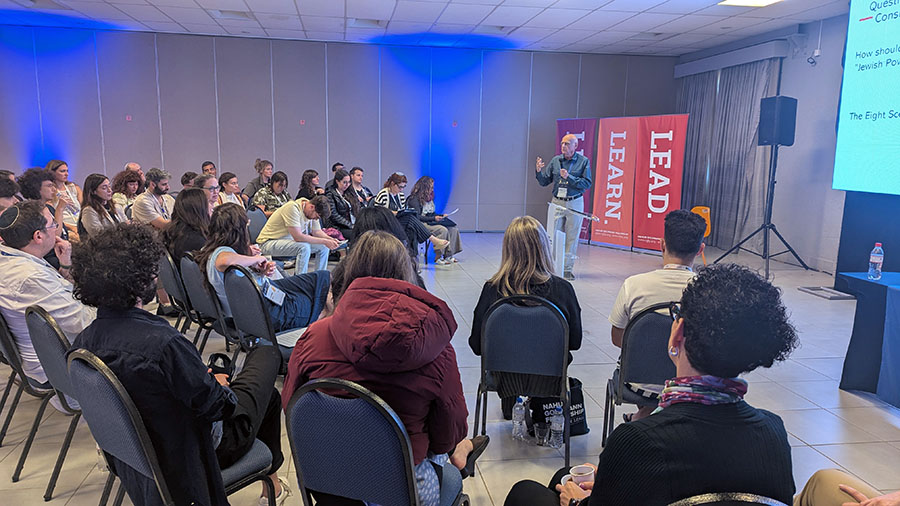
The Fellowship itself felt like a mini World Jewish Congress. Fellows came from the USA, Canada, Brazil, Argentina, Mexico, Uruguay, the UK, Hungary, Spain, Portugal, Bolivia, Peru, Australia, South Africa, New Zealand and Israel. Sessions were led by world-renowned faculty – professors and lecturers – covering a variety of topics from Jewish identity in film and music to philosophies of Zionism, Jewish sovereignty, resilience, and the challenges facing Jewish communities in the post-liberal world, especially after October 7th. There was also a session on Antisemitism and the global Jewish future.

Between formal sessions, the real magic happened in conversations – over meals, walks, and late nights. We debated, disagreed, laughed and bonded. Whilst we may not have agreed with one another on every issue raised, we were not disagreeable. We listened to each other with a sense of great respect. 

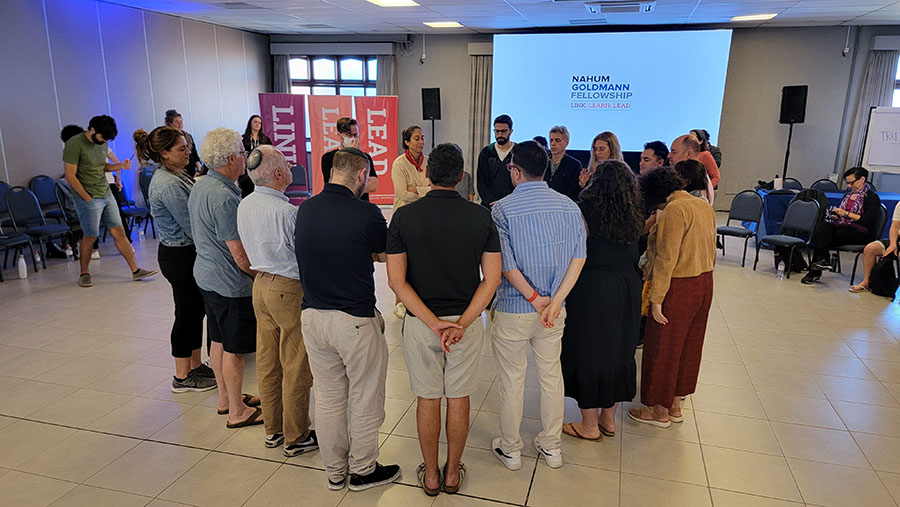
One highlight in the spirit of unity and diversity was Shabbat. No matter where we fell on the spectrum – religious or secular, Orthodox, Conservative, or Progressive – everyone participated in an eclectic, meaningful service. That sense of togetherness was facilitated beautifully by NGF.

My personal takeaways are profound. Engaging with Jewish leaders from such diverse contexts was eye-opening. Despite differences, I was struck by how similar our challenges often are. Questions of identity, resilience, and community sustainability echo across continents. At the same time, I felt deeply proud to represent South Africa. For all the challenges we face, it was inspiring to realise how robust Jewish life is back home. Our civil rights are strongly protected and monitored; Jewish practice is vibrant; and our community, though small, is dynamic and creative.

The experience also reminded me a little of camp – the intensity of learning, the joy of community, the friendships formed in a week that felt like a lifetime. NGF managed to create a space that was both intellectually rigorous and personally nourishing.

I return with gratitude: to the faculty who guided us, to my peers who shared openly and generously, and to the Cape SAJBD who made my participation possible. A special thank you to the NGF organisers, Jeni, Sienna, and David Jacobson – our own former Cape SAJBD Director – for curating such an inspiring gathering of Am Yisrael.

The Nahum Goldmann Fellowship was more than a leadership programme – it was a reminder of the strength and diversity of the Jewish people, and the importance of building bridges across borders. I look forward to staying engaged with this global network and to carrying these lessons into my work at home. ●

Cape SA Jewish Board of Deputies | http://www.capesajbd.org | Instagram | Facebook


  • For the current edition of the Cape Jewish Chronicle, click here.
  • Subscribe to the Cape Jewish Chronicle: R450/year, or R38/month via debit order. Simply email us at subscriptions@ctjc.co.za and click here for payment info.
  • The Cape Jewish Chronicle reaches over 6 000 readers monthly across print and digital platforms.
  • To book advertising space or discuss a custom package contact Adéle Gradner Mobile: 083 321 5222 | Office: 021 464 6736 | Email advertising@ctjc.co.za
Save the date for Race Day 2025

Astra Jewish Sheltered Employment
20 Breda Street, Gardens | 021 461 8414 | Email: coffeetime@jsec.org.za | https://astrajse.com/shop/


  • For the current edition of the Cape Jewish Chronicle, click here.
  • Subscribe to the Cape Jewish Chronicle: R450/year, or R38/month via debit order. Simply email us at subscriptions@ctjc.co.za and click here for payment info.
  • The Cape Jewish Chronicle reaches over 6 000 readers monthly across print and digital platforms.
  • To book advertising space or discuss a custom package contact Adéle Gradner Mobile: 083 321 5222 | Office: 021 464 6736 | Email advertising@ctjc.co.za
The Lost Shtetl Museum opens in Šeduva, Lithuania

Šeduva, once a thriving Lithuanian shtetl where Jews formed two-thirds of the population, now has no Jewish residents. Yet in September 2025 it became home to the Lost Shtetl Museum, dedicated to preserving the memory of its vanished community.

The idea began with the restoration of Šeduva’s Jewish cemetery. Sergey Kanovich, whose NGO Maceva documents Jewish cemeteries in Lithuania, was asked to restore the site and mark local Holocaust mass-killing grounds. Fearing the cemetery would again be forgotten, he envisioned a museum to serve as its ‘guardian’.

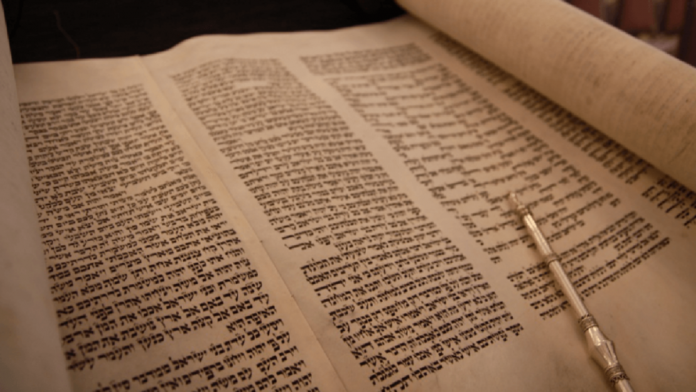
Funded by descendants of Šeduva Jews, the museum was designed by Finnish architect Rainer Mahlamäki, with exhibitions by Ralph Appelbaum Associates and curator Milda Jakulytė-Vasil. Its nine galleries highlight interwar Jewish life, teenage diaries, and a striking glass Torah Ark. A Holocaust gallery documents the 1941 destruction of Šeduva’s Jews, naming victims and perpetrators, while the soaring ‘Canyon of Hope’ memorial leads to a view of the restored cemetery.

Former Capetonian Eli Rabinowitz attended the opening ceremony, along with many other South Africans, some of whom trace their origins to the town. A few thousand Jews from Šeduva immigrated to South Africa before World War II.

Eli spoke about the impressive line-up at the opening event, which included an address by the Chairman of Yad Vashem, and entertainment by some of the biggest names in the music world, including Pinchas Zukerman and Andre Bocelli, and Jewish music stars Shulem Lemmer and Yitzchok Meir Helfgott.  

The Museum is now open to members of the public. ●

Are your family origins in Šeduva? Share your knowledge about Jewish life in the town before the War. Please send an email to editor@ctjc.co.za with the information.


  • For the current edition of the Cape Jewish Chronicle, click here.
  • Subscribe to the Cape Jewish Chronicle: R450/year, or R38/month via debit order. Simply email us at subscriptions@ctjc.co.za and click here for payment info.
  • The Cape Jewish Chronicle reaches over 6 000 readers monthly across print and digital platforms.
  • To book advertising space or discuss a custom package contact Adéle Gradner Mobile: 083 321 5222 | Office: 021 464 6736 | Email advertising@ctjc.co.za
A centenary set in the flower kingdom

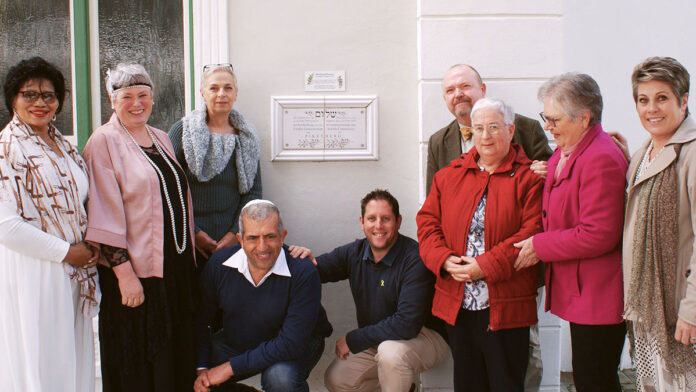
Daniel Bloch and David King with members of the Piketberg Museum Board

Piketberg Museum celebrated a major milestone in the history of the town on Friday, 22 August 2025, namely the centenary celebration of the local Jewish Synagogue.

Flower Week is also celebrated every year during the last week of August and, as a result, the two were simply combined. The result was a lavish Centenary Tea Party in proper 1920s fashion – feathers and frills, pearls and lace. 

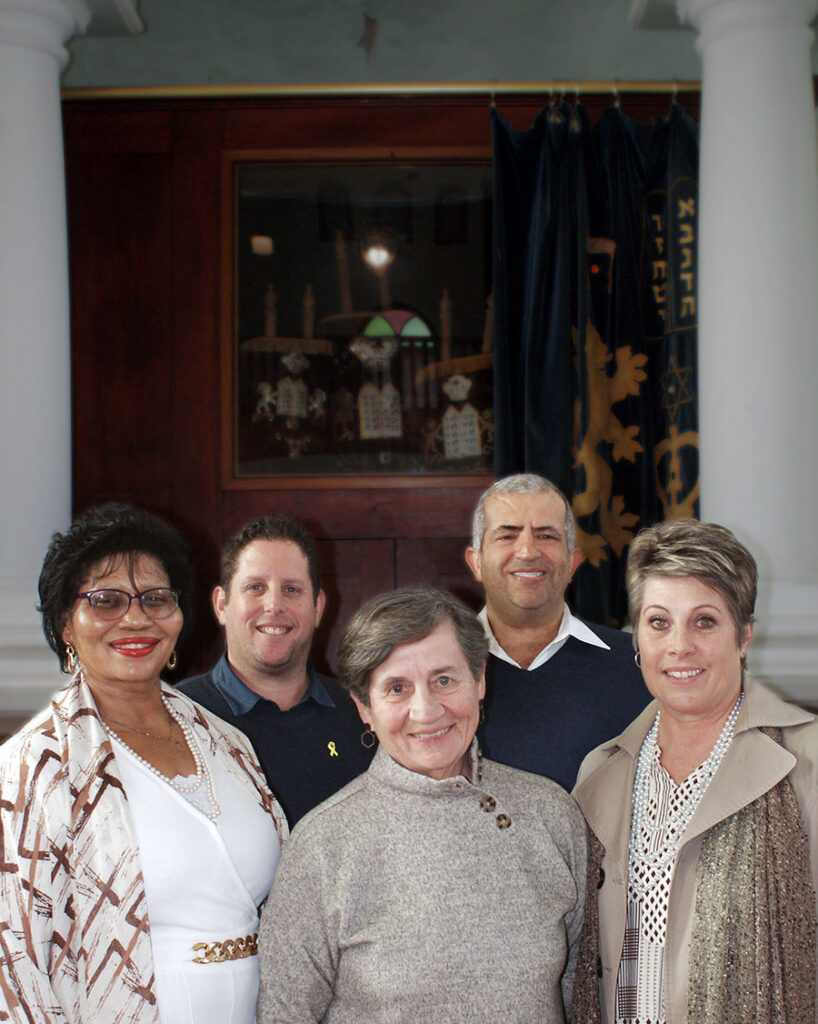
Forty-five guests, including Piketberg’s Municipal Manager, Councillors and two representatives from the Cape South African Jewish Board of Deputies, were treated to delicious tea and snacks. The programme included a very interesting and extremely informative talk by Emeritus Professor Matilda Burden, on the history of the Jews, as well as the importance of Heritage Preservation. Piketberg Museum’s manager, Marié Ehlers, gave a brief overview of the history of Piketberg’ synagogue, and certificates were presented to the top ten photographers of the photo competition held specifically for the centenary. ●


Calling back the past: the history of the Piketberg synagogue

MARIÉ EHLERS, Manager, Piketberg Museum

The first church in Piketberg was dedicated in October 1836 and the church council began to dispose of building plots around the church. The need for a church for worship directly led to the founding of Piketberg. About sixty years later, another group of people arrived in Piketberg, with a different culture and faith, but with the same need: their own church for worship. The first Jewish families settled in Piketberg in the 1880s and by 1891 Piketberg was mentioned as one of the towns in the Cape where many ‘well-to-do’ Jews had settled.

In 1922, The Piketberg Hebrew Congregation, with members from surrounding areas such as Redelinghuys, Het Kruis, Zuurfontein, Porterville, Moorreesburg and Citrusdal, decided to build their own synagogue. At that stage, there were already more than thirty Jewish families living in Piketberg. The Piketberg Synagogue was built in 1925, with Herman Myers laying the cornerstone. It was built on the same plan as the Malmesbury Synagogue by Ludwig Andras Simon, a Hungarian Jew. The pair of palm trees at the front entrance and also the entrance to the shul match the entrance of the ark. 

The Jews played a big role in the community at that time. A close relationship between the Afrikaans and Jewish members was notable. It seemed very fitting to have the Jewish community, who came to settle in Piketberg about 100 years ago, lay claim to their heritage in and their contribution to the town this way.

It is evident from these anecdotes and memories that the Jewish people of Piketberg had a profound influence on the lives of the people in this area. They are remembered, not only for their achievements in business, school, farming or sport, but also with love and humour and as truly remarkable people. The Jewish people are and will always be God’s chosen people and wherever they may find themselves in the world, and in whatever circumstances, they are able to lift themselves up and rise to the forefront of society.

Hardworking people. People with strong convictions, resourceful and with a keen eye for business. Despite their rather small numbers, they have an influence everywhere that extends far beyond their numbers. This is true of Piketberg’s history and here their ‘monument’ stands in the middle of the historical heart of our town and is already celebrating a full century of glory this year. ●

Cape SA Jewish Board of Deputies | http://www.capesajbd.org | Instagram | Facebook


  • For the current edition of the Cape Jewish Chronicle, click here.
  • Subscribe to the Cape Jewish Chronicle: R450/year, or R38/month via debit order. Simply email us at subscriptions@ctjc.co.za and click here for payment info.
  • The Cape Jewish Chronicle reaches over 6 000 readers monthly across print and digital platforms.
  • To book advertising space or discuss a custom package contact Adéle Gradner Mobile: 083 321 5222 | Office: 021 464 6736 | Email advertising@ctjc.co.za
Choose life, choose comfort care! 

(credit: alexas fotos unsplash)

Comfort Care Chronicles: Navigating life’s transitions
Shelly korn Care Imagineer | Evercare

You don’t have to choose between fighting for life and seeking comfort. You can have both! 

It’s not either/or – it’s side-by-side 
When facing serious illness, many families believe they must make a heart-breaking choice: fight for life or ‘give up’ and accept comfort care. This is a false choice! Adding comfort care from the time of diagnosis, alongside active treatment, helps people live longer and better. It’s not about choosing between hope and help – it’s about having both, each strengthening the other. 

An extra layer of expertise – not a last resort 
Comfort care is specialised support for people living with serious illness. It focuses on relieving symptoms, clarifying treatment goals, and guiding families through complex –and often overwhelming– decisions. It can and should be provided at any age and at any stage of a serious illness. It’s an extra layer of expertise – not a last resort. 

Earlier = longer and better 
When comfort care is introduced early, people typically experience less pain and anxiety and a better quality of life. In cornerstone studies with cancer patients, those who received early comfort care lived longer than those who received standard treatment alone. Why? Because well-managed symptoms mean more strength and resilience to complete treatment, better continuity of care, fewer emergencies, calmer conversations at home, and decisions that reflect what matters most – while avoiding harmful, non-beneficial interventions. 

Side-by-side in real life 
Imagine someone on chemotherapy. With comfort care, nausea, pain, and fatigue are carefully managed so treatment can stay on track. Or consider a loved one with advanced heart failure at home. A clear breathlessness plan and the right medications reduce fear and suffering, prevent midnight hospital runs, and create more peaceful, meaningful time with family. 

Families find strength too
Comfort care supports families as much as it supports patients. Caregivers receive practical training, round-the-clock guidance, and a safe space to voice fears and process emotions. This support eases stress and strengthens family unity, allowing everyone to focus on what matters most. 

Jewish comfort care 
In Judaism, Pikuach Nefesh – preserving life – is a sacred duty, inseparable from a commitment to dignity and to preventing unnecessary suffering. Comfort care honours these values by relieving pain and distress so that no one suffers needlessly. And as Hillel teaches, Im ein ani li, mi li? – if I am not for myself, who will be for me? Taking steps to access the right care is a profound act of self-advocacy, preservation, Chesed, and compassion for those we love. 

You are not alone 
If you or someone you love is facing a serious illness, you don’t have to choose between fighting and comfort. You can choose both. Contact me if you need further guidance on how to start this important conversation. ●


  • For the current edition of the Cape Jewish Chronicle, click here.
  • Subscribe to the Cape Jewish Chronicle: R450/year, or R38/month via debit order. Simply email us at subscriptions@ctjc.co.za and click here for payment info.
  • The Cape Jewish Chronicle reaches over 6 000 readers monthly across print and digital platforms.
  • To book advertising space or discuss a custom package contact Adéle Gradner Mobile: 083 321 5222 | Office: 021 464 6736 | Email advertising@ctjc.co.za
Auction continues to gain ground

According to Wesley Cowan, Director at Galetti Auction, “Sellers are increasingly turning to auctions as an efficient sales method, particularly in South Africa’s top-performing industrial property sector.” 

Cowan refers to surging demand for industrial-zoned land, which continues to drive low vacancy levels and higher rentals – most notably in the Western Cape. 

“Demand for commercial property in the Western Cape is exceptionally strong, especially across key asset classes like industrial, retail and hospitality,” he says. “In some cases, properties are selling before they even reach the market.” 

Looking at the broader commercial property sector, Cowan notes industrial remains the top performer, delivering returns of around 15% (MSCI SA Property Index), with retail close behind, supported by improved consumer spending and salary growth. Office demand is also rising as interest rates ease and more employees return to workplaces. South Africa’s REITs are boosting momentum, recording a 2.4% monthly gain in August and lifting year-to-date returns to 14.2% (SA REITs Association Chart Book). 

“With such high demand and limited supply, it’s easy to see why auctions have become an increasingly popular sales channel,” Cowan adds. 

Opting for auction 

Cowan notes that, while auction was once viewed as a last resort for dilapidated properties, it has fast gained ground in recent years for positive reasons. “In countries like Australia, auction is a standard method of sale and helps generate competitive prices,” he shares. 

He highlights the following seller benefits: 

  • Competitive bidding creates urgency, leading to quicker transactions. 
  • Extensive marketing attracts a larger buyer pool, driving up prices. 
  • Transparent price discovery ensures fairness and often exceeds seller expectations. 
  • Non-suspensive contracts reduce the risk of deals collapsing. 
  • Flexible terms let sellers align conditions with objectives. 

Cowan advises buyers to consider: 

  • Location – proximity to transport routes, ports and hubs. 
  • Correct zoning – compliance with local, environmental and safety regulations. 
  • Accessibility – space for heavy vehicles and machinery. 
  • Scalability – room for future expansion to boost resale value. 
  • Security and solar – reliable power, controlled access and protection for operations.

  • For the current edition of the Cape Jewish Chronicle, click here.
  • Subscribe to the Cape Jewish Chronicle: R450/year, or R38/month via debit order. Simply email us at subscriptions@ctjc.co.za and click here for payment info.
  • The Cape Jewish Chronicle reaches over 6 000 readers monthly across print and digital platforms.
  • To book advertising space or discuss a custom package contact Adéle Gradner Mobile: 083 321 5222 | Office: 021 464 6736 | Email advertising@ctjc.co.za
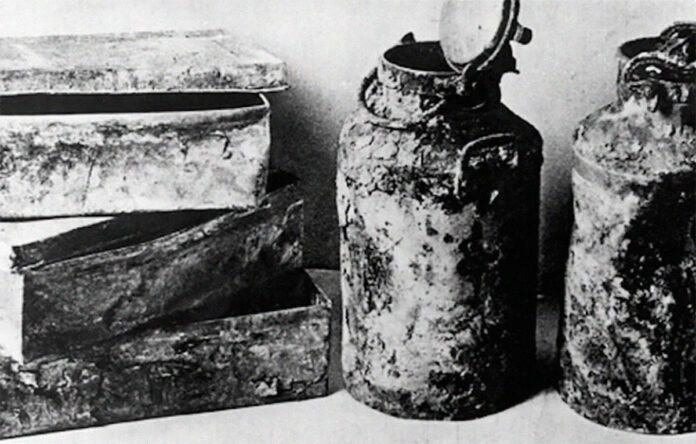
The Ringelblum Archive

A valuable record of the Nazi occupation of Jewish Warsaw

The tour to Poland in late July organised by the Cape Town Holocaust & Genocide Centre included a visit to the Jewish Historical Institute in Warsaw. This organisation serves as a centre for academic research relating to Poland’s Jewish history, and it holds numerous documents and other materials of relevance to this history. 

According to Wikipedia, “The most valuable part of the collection is the Warsaw Ghetto Archive, known as the Ringelblum Archive (collected by the Oyneg Shabbos). It contains some 6 000 documents (some 30 000 pages).

The World Jewish Congress has produced a short video about the Ringelblum Archive which you can view here. ●


  • For the current edition of the Cape Jewish Chronicle, click here.
  • Subscribe to the Cape Jewish Chronicle: R450/year, or R38/month via debit order. Simply email us at subscriptions@ctjc.co.za and click here for payment info.
  • The Cape Jewish Chronicle reaches over 6 000 readers monthly across print and digital platforms.
  • To book advertising space or discuss a custom package contact Adéle Gradner Mobile: 083 321 5222 | Office: 021 464 6736 | Email advertising@ctjc.co.za

SIGN UP TO RECEIVE THE CAPE JEWISH CHRONICLE