Home Blog Page 9

Seeking refuge, keeping memory alive

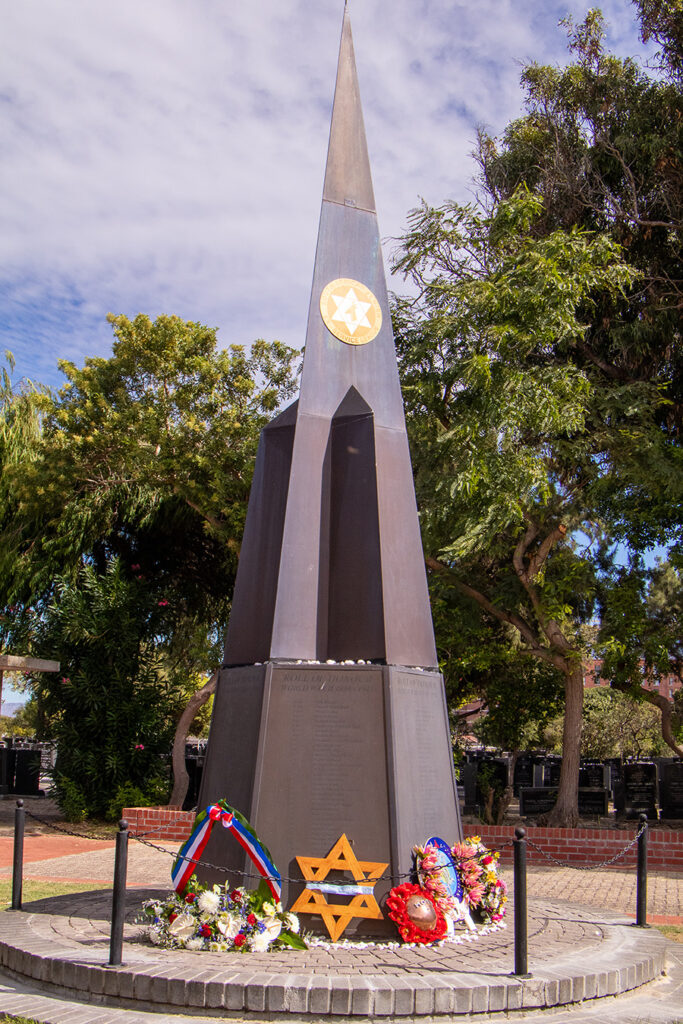
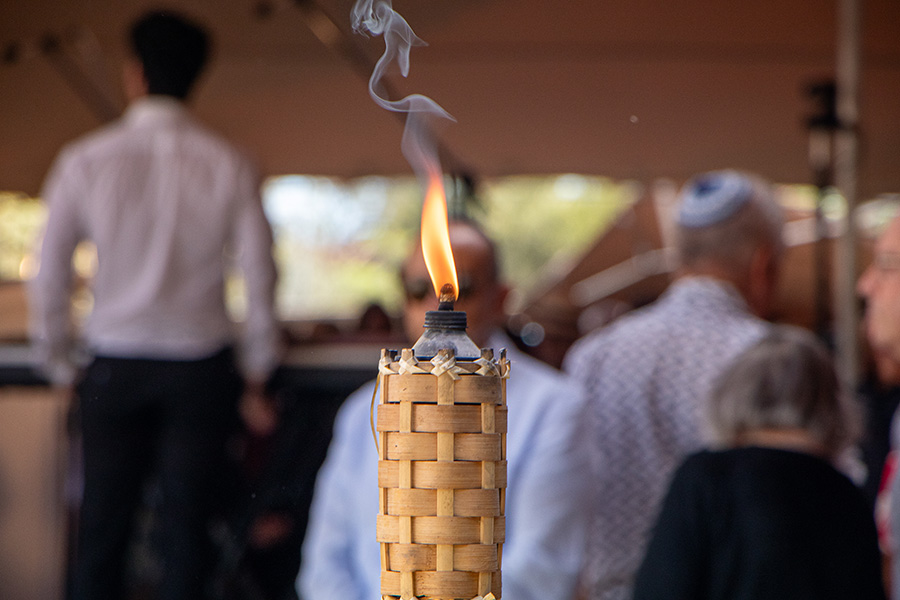
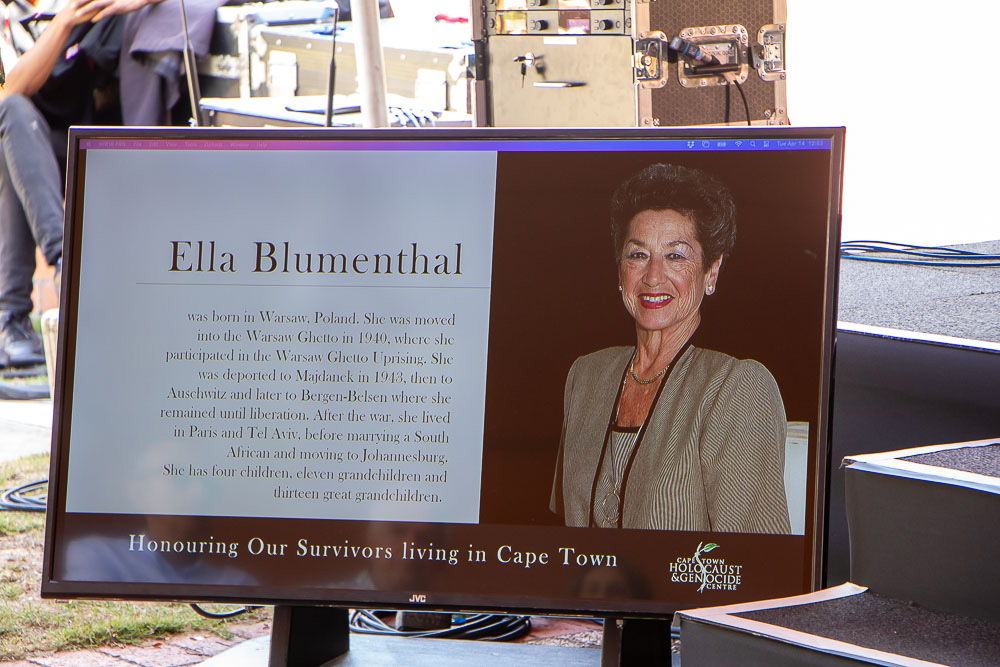
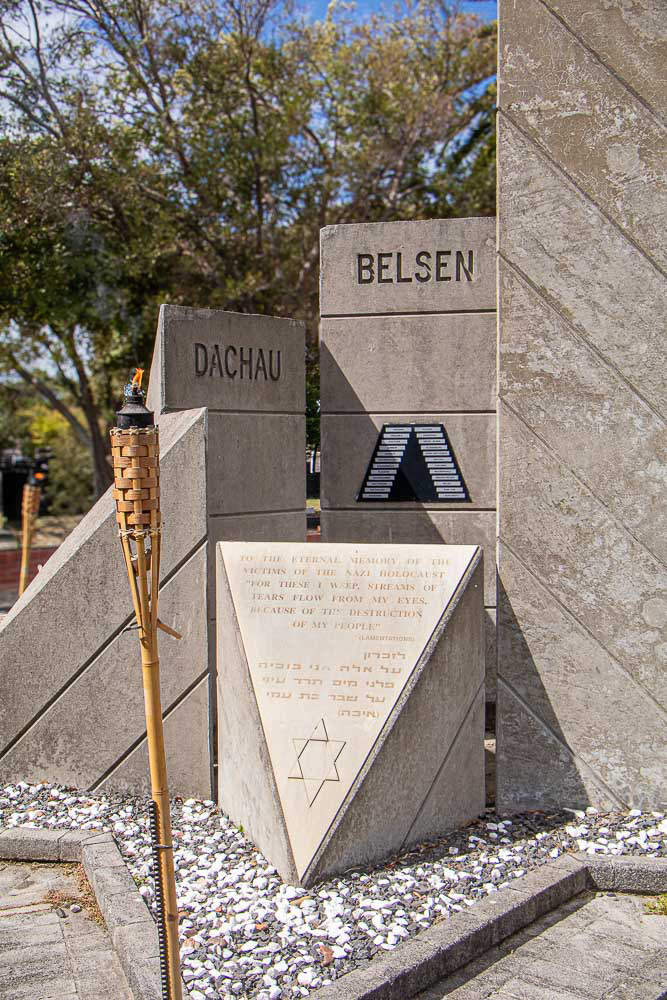
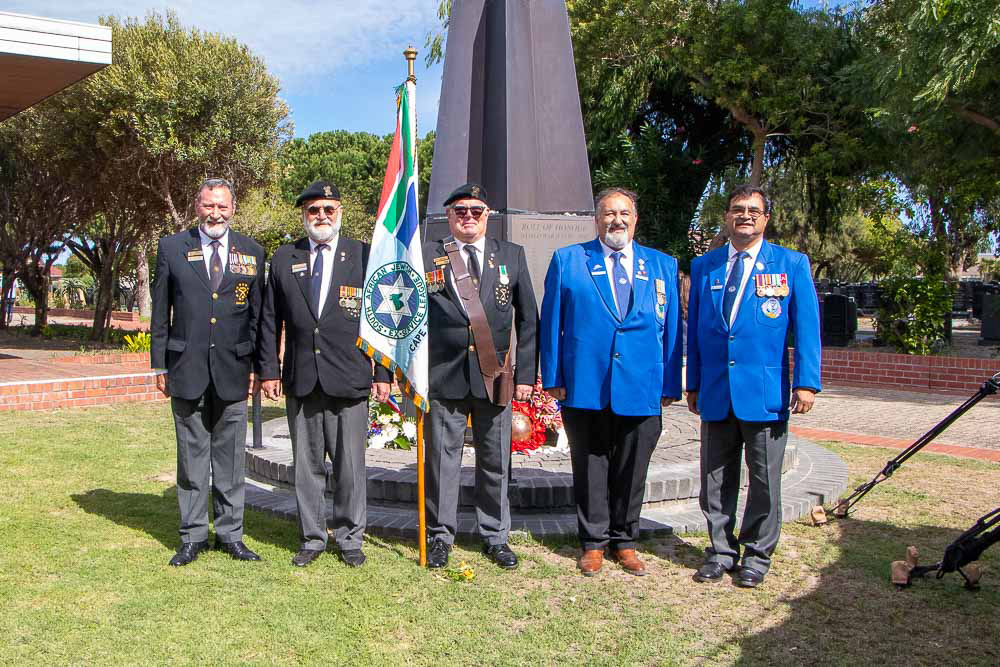
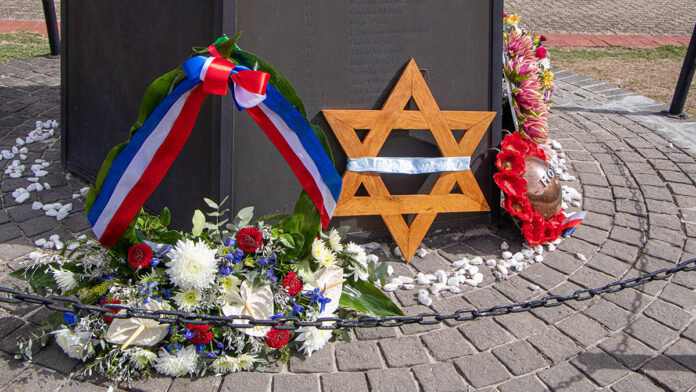
This year’s Yom HaShoah commemoration in Cape Town centred on Seeking Refuge, marking 90 years since Jewish refugees fled Nazi Germany in search of safety – including those who found sanctuary in South Africa.

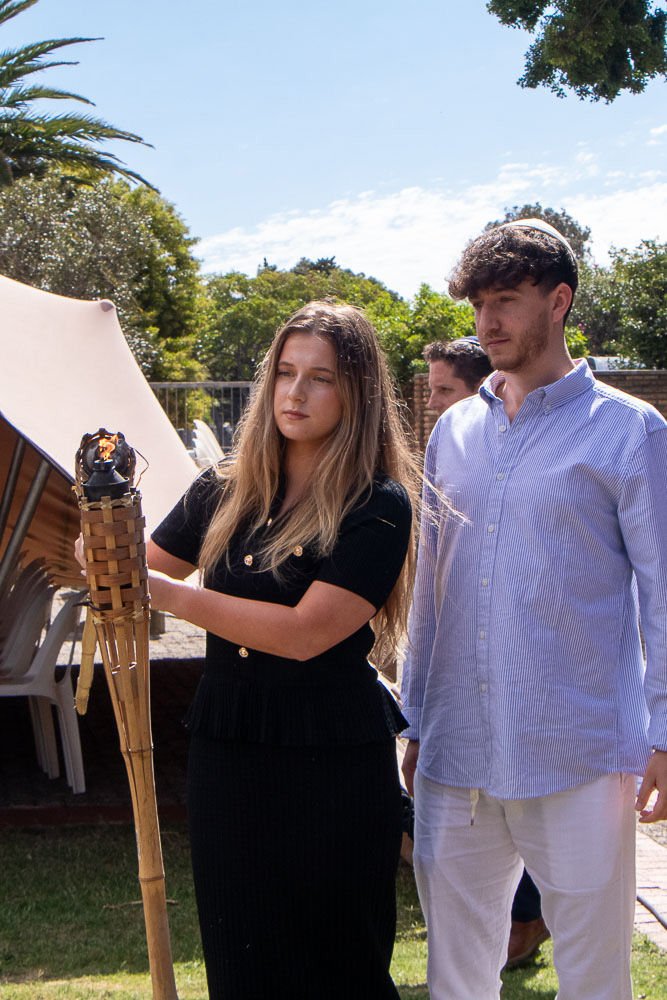
Ida Solinger. Sally Solinger. Paul Solinger. Joanna Solinger. Alma Solinger. Herman Solinger. Martha Solinger. Albert Solinger. Julia Solinger. Hannah Solinger… An entire family – a world erased by the evil of the Nazi regime during The Holocaust. As guests took their seats, names of some of those murdered were read aloud in quiet reverence by members of the younger generation, setting the tone for a day of remembrance rooted in both loss and continuity.

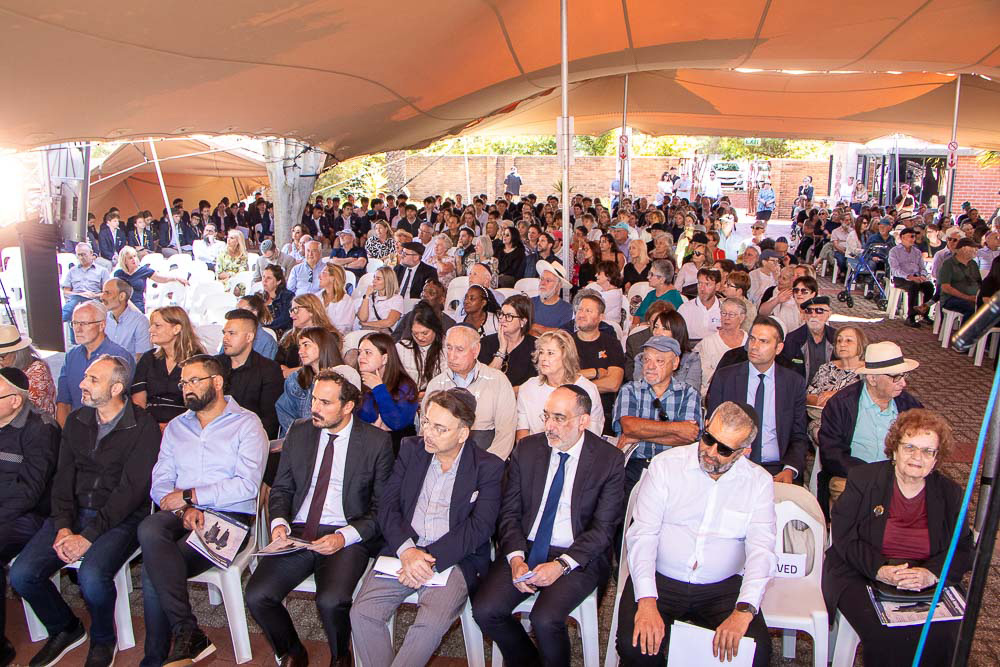
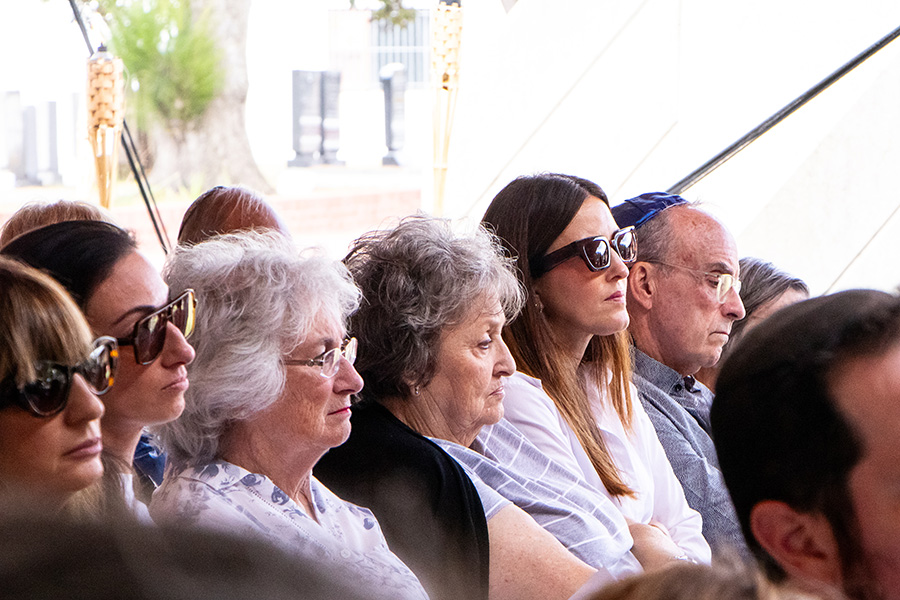
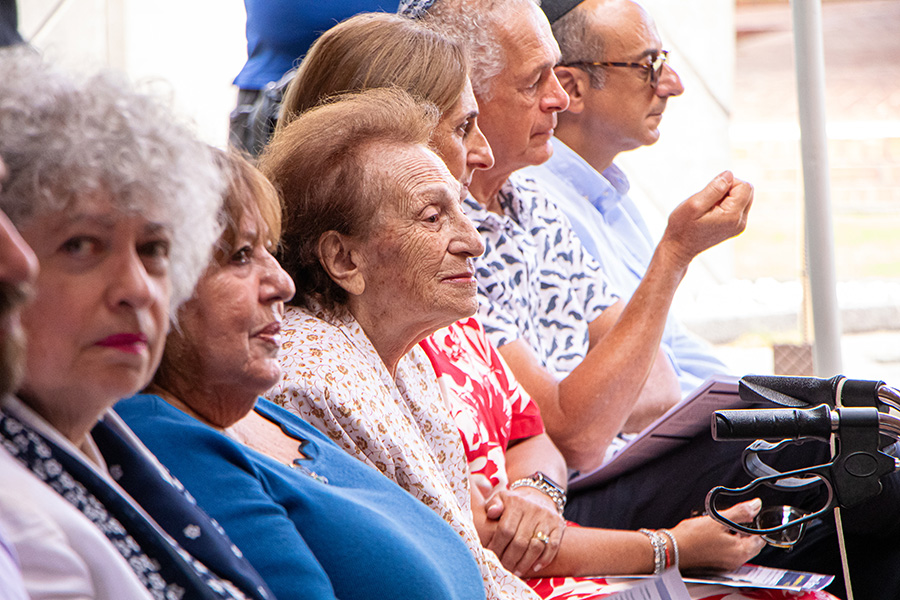
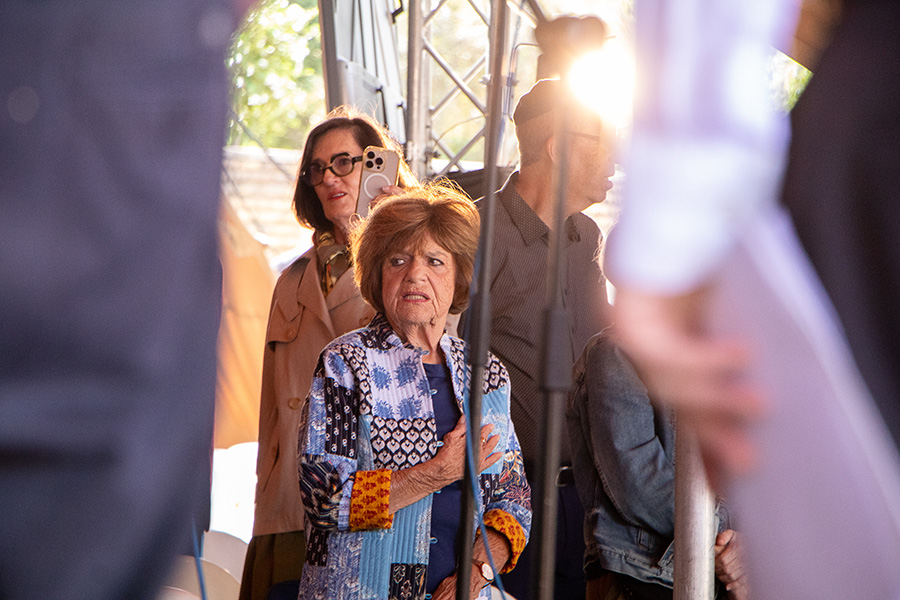
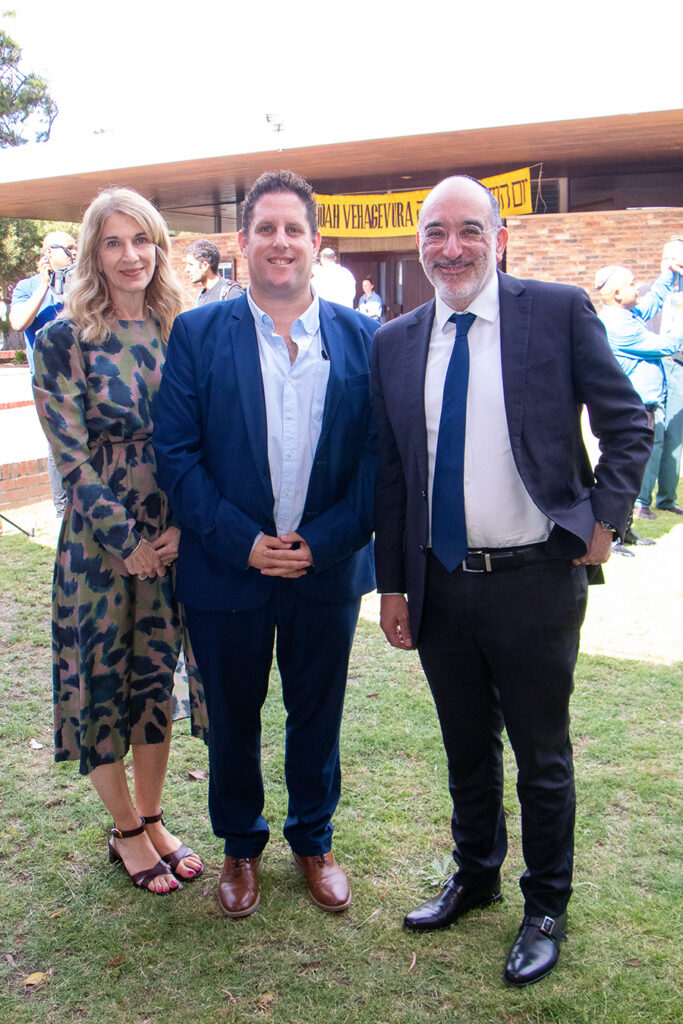
On Tuesday 14 April, more than 700 people gathered in Cape Town for this year’s Yom HaShoah commemoration, brought together by the Cape South African Jewish Board of Deputies. Yom HaShoah is the Jewish day of Holocaust remembrance, marking the six million Jews murdered in The Holocaust and honouring survivors, while reflecting on the devastation of European Jewry, shattered families, and lives forever changed.

Those in attendance included survivors, their descendants and members of the Jewish community alongside Christian friends, our Rabbonim and the Chief Rabbi of South Africa, high school learners, consular representatives, civic leaders and public officials, all joining in collective memory and reflection.

The theme, Seeking Refuge: Marking the 90th Anniversary of Jewish Refugees Who Fled Nazi Germany, honoured the experiences of those who escaped – and the voices of their descendants, who brought both first- and second-generation perspectives to the ceremony. Miriam Herzfeld, who recently turned 103, featured in a video interview reflecting on her childhood in Germany and her family’s escape to Cape Town via Holland and Italy. Second-generation descendant Karen Tollman reflected that for many Jewish refugees, refuge was never simply a destination, but the fragile moment when another country chose to recognise their humanity.

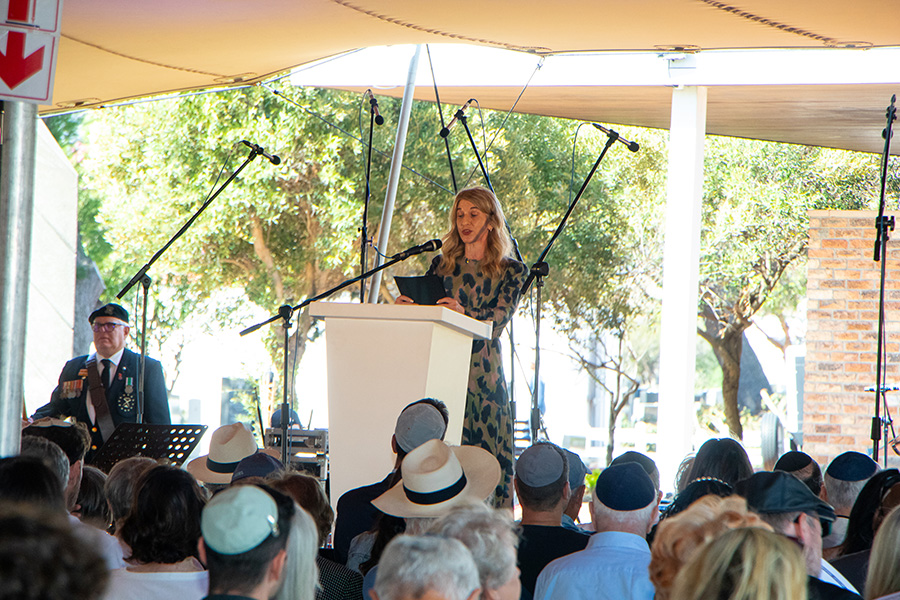
In her address, Cape SAJBD Chairperson Simone Sulcas reminded the audience that The Holocaust did not begin with the camps, but with words, silence and the slow abandonment of conscience – a warning that remains deeply relevant today.

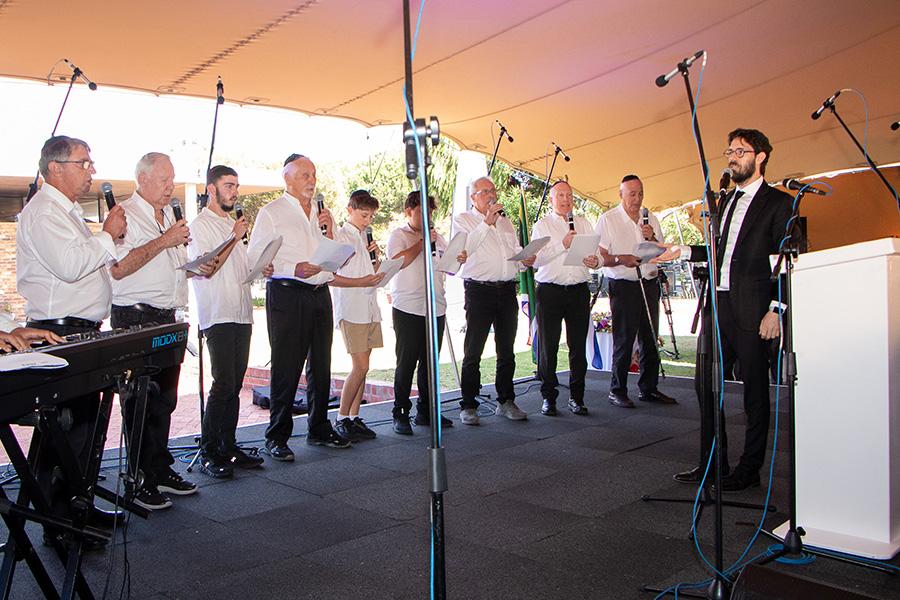
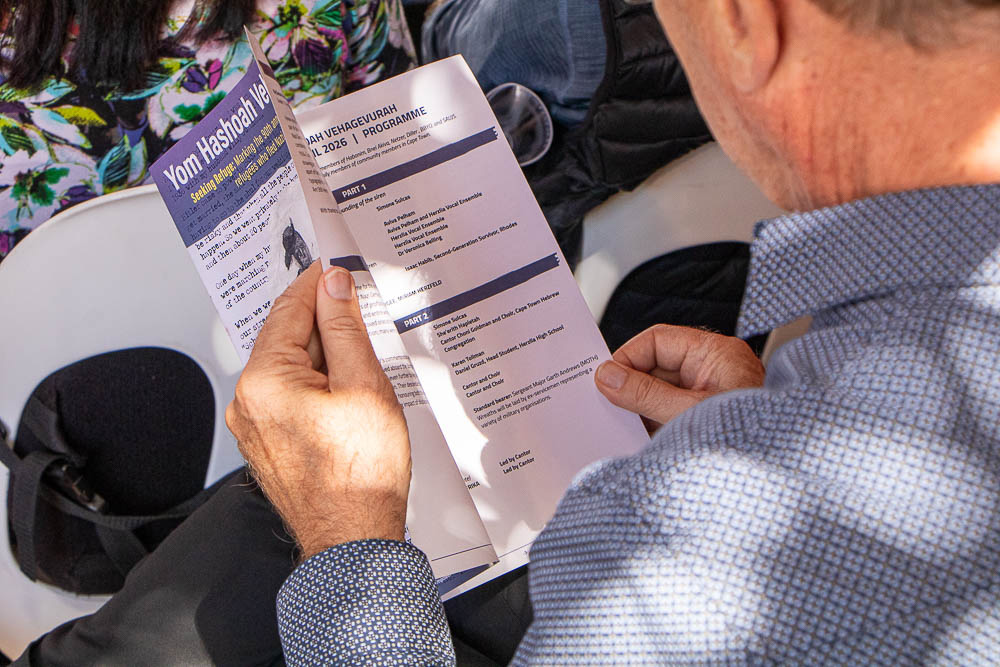
The programme featured an exceptional speech by Herzlia Head Student Daniel Gruzd, moving contributions from Aviva Pelham and the Herzlia Vocal Ensemble under the guidance of Cantor Ivor Joffe, as well as the Cape Town Hebrew Congregation Choir directed by Cantor Choni Goldman. Poems in Yiddish and Ladino added further resonance to the ceremony.

More than a commemoration of loss, the event served as a reminder that memory carries responsibility – not only to honour those who were murdered, but to ensure that the stories of those who sought refuge, survived and rebuilt remain part of the living fabric of Jewish communal life.

Watch the full Yom HaShoah event online and visit our Facebook page and website to keep up with news from the Board. 
Cape SA Jewish Board of Deputies | http://www.capesajbd.org | Instagram | Facebook


  • For the current edition of the Cape Jewish Chronicle, click here.
  • Subscribe to the Cape Jewish Chronicle: R450/year, or R38/month via debit order. Simply email us at subscriptions@ctjc.co.za and click here for payment info.
  • The Cape Jewish Chronicle reaches over 6 000 readers monthly across print and digital platforms.
  • To book advertising space or discuss a custom package contact Adéle Gradner Mobile: 083 321 5222 | Office: 021 464 6736 | Email advertising@ctjc.co.za
Lag B’Omer – A celebration of life

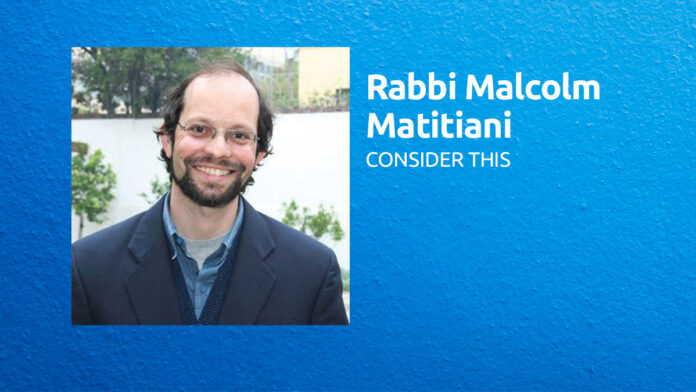
By Rabbi Malcolm Matitiani

This is because Lag B’Omer is the anniversary of the death of Rabbi Simeon bar Yochai, a mystic who defied the Roman ban on teaching and studying Torah. 

The source of sorrow of this period in the Jewish calendar is a Talmudic legend (Yevamoth 62b), according to which twenty-four thousand disciples of Rabbi Akiva died of croup between Pesach and Shavuot. Historians surmise that the real reason for all these deaths was the fact that Rabbi Akiva was the spiritual leader of the Bar Kochba rebellion against Rome. Rabbi Akiva was arrested and executed by the Romans, and it is plausible that his students were killed during the Roman military action against the Jewish rebels. 

The question is why the period of mourning is suspended on the yahrzeit of a great rabbi of the second century CE. It is precisely because Rabbi Simeon bar Yochai was an important Torah scholar and mystic that his yahrzeit is a hillulah, a festivity, accompanied by bonfires. This custom is based on the idea that Rabbi Simeon bar Yochai brought spiritual light into the world through his teaching of Torah and his contribution to the mystical understanding of God’s Essence. 

In rabbinic thought the anniversary of the death of a tzadik should be a celebration of their life and not an occasion for mourning their passing. According to Kohelet (Ecclesiastes) 7:1, “A good name is better than fragrant oil, and the day of death than the day of birth”. Midrash Kohelet Rabba explains: “When a person is born everyone is joyous; when the person dies, everyone weeps. But that should not be so; rather, when a person is born no one should be joyous, as they do not know the challenges and actions that will confront that individual, and whether the person will be righteous or wicked, good or bad. When the person dies, they should rejoice that the person passed away with a good name and departed from the world in peace”. If one follows this understanding, it makes sense to celebrate the life of someone who left the world a better place for having lived in it, and for having brought the light of the Divine Presence into the world by their courageous defiance of oppression and persecution. Rabbi Simeon bar Yochai was such a person.

During this difficult time for Israel, the Jewish People and the world may Lag B’Omer 5786 remind us of the value of the many righteous lives that bring God’s light into the world. That there is always hope even in the darkest of times.


Seder

Our Communal Seder was held in Green Point on Erev Pesach where more than 100 people enjoyed the celebration led by Rabbi Malcolm, Fabio and Jess and the delicious food provided by Gill. 

Tamar, our Young Adults programme, is enjoying some wonderful events led by Rachael Sara, Daniella and Jamie, and 2nd Night Pesach was another great example. 40 people gathered in Green Point for a bring and share seder and enjoyed a great evening despite some rain interruptions.

Thank you to all for making Pesach 5786 so amazing.


Temple Israel http://www.templeisrael.co.za


  • For the current edition of the Cape Jewish Chronicle, click here.
  • Subscribe to the Cape Jewish Chronicle: R450/year, or R38/month via debit order. Simply email us at subscriptions@ctjc.co.za and click here for payment info.
  • The Cape Jewish Chronicle reaches over 6 000 readers monthly across print and digital platforms.
  • To book advertising space or discuss a custom package contact Adéle Gradner Mobile: 083 321 5222 | Office: 021 464 6736 | Email advertising@ctjc.co.za

When love crosses borders

Blue concrete wall textures for background - Vintage Film Filter

By BENITA ARDENBAUM Family Law Attorney

In today’s increasingly connected world, many South African families live lives that stretch beyond our shores.

A parent may receive a career opportunity in the United Kingdom, hope to reunite with loved ones in Australia, feel called back to family roots in Israel, or seek greater safety and stability abroad. These decisions are rarely simple. They are personal, emotional, and usually motivated by hope for a better future rather than selfishness.

When parents separate or divorce, however, relocation can become one of the most difficult issues a family will face. One parent may see opportunity, security, education, support, or the chance to begin again. The other may experience grief, anxiety, and the painful reality of losing daily contact with a child. Both perspectives can be sincere – and heartbreaking.

Relocation law in South Africa is therefore not about choosing one parent over the other. It is about navigating competing human realities through one guiding principle: the best interests of the child.

While that principle sounds straightforward, its application is anything but. Courts must consider whether the move will genuinely enhance the child’s quality of life. Is there stable housing, appropriate schooling, healthcare, and emotional support in the destination country? Will the child still enjoy a meaningful relationship with the parent left behind? Has the move been responsibly planned, or is it reactive and impulsive? Is the request made in good faith, or designed to erode the other parent’s bond?

Just as importantly, courts must ask whether the child’s interests may be better served by remaining in South Africa, where familiar surroundings, extended family, friendships, schooling, language, and cultural continuity may offer greater emotional stability.

These are not merely legal issues. They touch the very core of a child’s life – their sense of security, belonging, identity, and continuity.
What courts increasingly recognise is that children do not thrive because of geography alone. They thrive through secure attachment, emotional steadiness, and the freedom to love both parents without conflict. Sometimes relocation advances those goals. Sometimes it undermines them. Every case is determined on its own merits.

Parents should also understand that leaving first and “sorting it out later” can carry serious consequences. In South Africa, a parent cannot lawfully remove a child from the country without the consent of the other parent who holds parental responsibilities and rights, or without court authorisation where consent is withheld.

Where travel has been agreed for a holiday or temporary stay, but the child is then wrongfully retained abroad and not returned to the country of habitual residence, proceedings may follow under the Hague Convention on the Civil Aspects of International Child Abduction.
The wiser path is thoughtful planning, early legal advice, mediation where appropriate, realistic travel arrangements, contact, and mature communication.

Relocation disputes are never simply about travel documents or distance. At their heart lies a deeper question: how a child can move across borders while preserving the love, connection, stability, and relationships that matter most.


  • For the current edition of the Cape Jewish Chronicle, click here.
  • Subscribe to the Cape Jewish Chronicle: R450/year, or R38/month via debit order. Simply email us at subscriptions@ctjc.co.za and click here for payment info.
  • The Cape Jewish Chronicle reaches over 6 000 readers monthly across print and digital platforms.
  • To book advertising space or discuss a custom package contact Adéle Gradner Mobile: 083 321 5222 | Office: 021 464 6736 | Email advertising@ctjc.co.za

Advertisers May 2026

As part of the May edition of the Cape Jewish Chronicle, we are pleased to showcase the commercial adverts featured throughout the publication. We encourage our readers to support the businesses, professionals, and organisations that continue to contribute to and invest in our community. Browse the full collection of adverts below.

Lew Geffen Sotheby’s. Call Lara Rozowsky +27 73 366 5277
Seeff Atlantic Seaboard & City Bowl
MGI Bass Gordon bassgordon
Oasis Luxury Retirement Resort oasisretirementresort.co.za
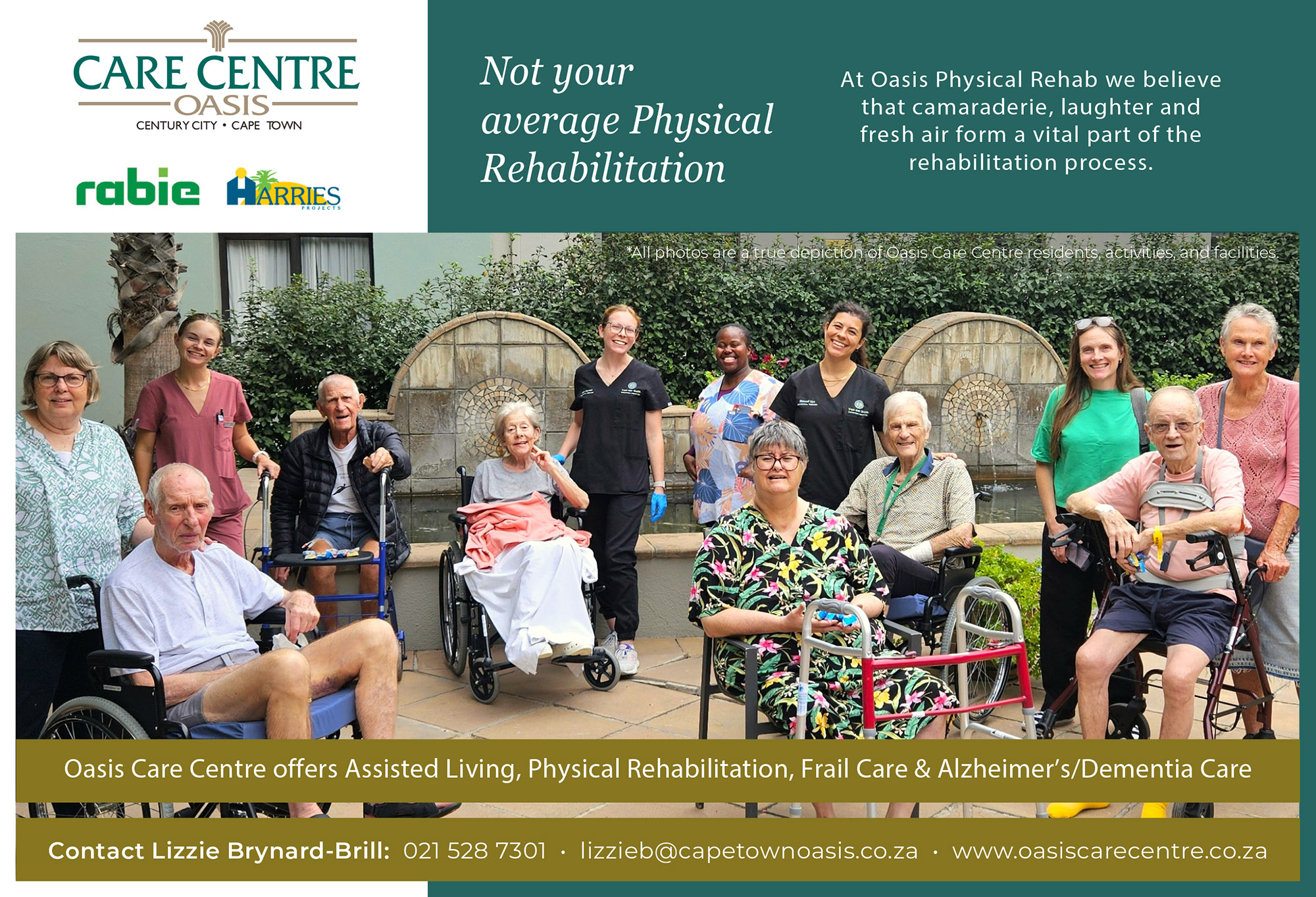
Oasis Care Centre oasiscarecentre.co.za
Mark Solomon marksolomonjewellers.co.za
Cape Hearing Aids
Benita Ardenbaum Law benitaardenbaum.com
Gardiner Stone hebrewgstone.co.za
Melville Tel: 072 132 5572
Burr & Muir burrmuir.com

Classifieds

ELAINE’S BLINDS
Contact Elaine’s Blinds for all new blinds, servicing, repairs and cleaning. Stephen and Elaine Guinsberg Tel 021 713 1349 or WhatsApp 084 608 5239

JOFFE PLUMBING
For all sanitary plumbing repairs, maintenance and renovations. Phone Hilton 082 789 2897 or 066 470 1424

SORT IT
If you are looking to Create Order Out of Chaos in decluttering your home, room, garage or storeroom; or needing to pack a home of a deceased family member or friend. Call Rochelle on 083 265 7738

SON FOR HIRE 
Gideon’s Transport for all your driving needs. Lifts, shopping, deliveries. Call Gideon on 082 455 3868 for assistance.

The Computer Guy 
Expert computer repair, upgrades and IT support. Crypto wallet setup and blockchain help. Call Sam 082 549 0457


  • For the current edition of the Cape Jewish Chronicle, click here.
  • Subscribe to the Cape Jewish Chronicle: R450/year, or R38/month via debit order. Simply email us at subscriptions@ctjc.co.za and click here for payment info.
  • The Cape Jewish Chronicle reaches over 6 000 readers monthly across print and digital platforms.
  • To book advertising space or discuss a custom package contact Adéle Gradner Mobile: 083 321 5222 | Office: 021 464 6736 | Email advertising@ctjc.co.za

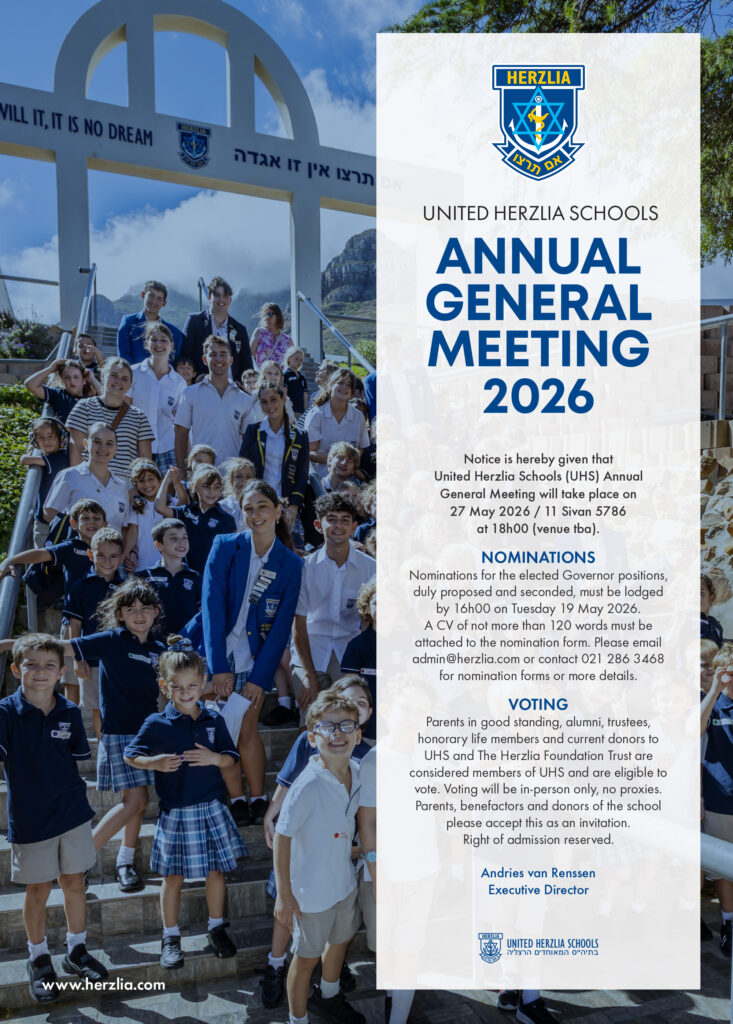
United Herzlia Schools AGM 2026


Notice is hereby given that United Herzlia Schools (UHS) Annual General Meeting will take place on 27 May 2026 / 11 Sivan 5786 at 18h00 (venue tba).

NOMINATIONS
Nominations for the elected Governor positions, duly proposed and seconded, must be lodged by 16h00 on Tuesday 19 May 2026. A CV of not more than 120 words must be attached to the nomination form. Please email admin@herzlia.com or contact 021 286 3468 for nomination forms or more details.

VOTING
Parents in good standing, alumni, trustees, honorary life members and current donors to UHS and The Herzlia Foundation Trust are considered members of UHS and are eligible to vote. Voting will be in-person only, no proxies.

Parents, benefactors and donors of the school please accept this as an invitation.

Right of admission reserved.
Andries van Renssen
Executive Director

United Herzlia Schools http://www.herzlia.com


  • For the current edition of the Cape Jewish Chronicle, click here.
  • Subscribe to the Cape Jewish Chronicle: R450/year, or R38/month via debit order. Simply email us at subscriptions@ctjc.co.za and click here for payment info.
  • The Cape Jewish Chronicle reaches over 6 000 readers monthly across print and digital platforms.
  • To book advertising space or discuss a custom package contact Adéle Gradner Mobile: 083 321 5222 | Office: 021 464 6736 | Email advertising@ctjc.co.za

A remarkable life, remarkably told

Dr David Bass


BY JACK HOFFMANN
Jack Hoffman is a retired surgeon. He is the author of the novel He Does Not Die A Death Of Shame, which relates the dilemmas of a young Jew growing up in apartheid South Africa.


In the opening pages of his book of memoirs, Dr David Bass reveals to us that he is dyslexic. Yet within a few lines, it becomes clear that he is most certainly not dysgraphic. The opposite is true.

Bass has produced a gem of a book. The work is beautifully constructed and written in fluent, unostentatious prose. The author peppers his stories with delightful metaphors and similes: An ancient telephone has “ten beady eyes and bulbous ears”. He encounters student politics “like a tone-deaf person seated behind a pillar at an orchestral recital.” He describes “an olive-green cargo vest with more pouches than a kangaroo park.” 

He writes with wry, self-deprecating humour, moving effortlessly between lightness and gravity. He brings tears to the reader’s eyes with tales of bereavement, regret, and compassion, and of himself as a misunderstood, undiagnosed child left to his own devices with reading difficulties.

We are taken back to the middle of the last century, to the dystopian world of apartheid South Africa, a society so different from today’s that the stories read like fiction. But they are not. The author assures us that every story is true.

Bass recalls vestiges of bygone days: Hillman cars, Bakelite telephones, aerogrammes, trunk calls, and intercontinental transport on ocean liners.

We are taken on a roller-coaster ride from despair to joy, from a near-death experience to resurrection, from narrow, lonely childhood pathways to the broad, forked highways of adulthood.

He shows us snippets of the life of his father, a classic, old-fashioned GP who, on call 24 hours a day until the age of 85, devoted his life to his patients – a life directed by the peremptory ringing of an ancient telephone.

The book does not shy away from the moral complexities of apartheid. The author depicts its iniquities and relates how a privileged white generation either ignored its reality, were blind to it, or, with a shrug of the shoulder, regarded it merely as the natural order. He describes the anomalous, paradoxical phenomenon of black nannies serving as surrogate mothers to white children while their own children were fostered by others. We read of the painful syndrome, then endemic among South African Jews: generations splintered and families dispersed across the globe by emigration.

In other chapters, Bass agonises over his inability to save an eminent senior colleague from his occult psychiatric problems. We are taken to a raucous Jewish wedding with ominous undertones. We meet a suffering mother fighting the system that has crippled her son; a pathological liar among the magnificent flowers of Namaqualand; a spaced-out scavenger of used condoms
who rekindles the author’s musical career.

Many surgeons are arrogantly self-confident, egocentric, and vain. Why would they not be? Who else has licence to invade our bodies, reveal our secrets, and rearrange our organs?

Dr Bass is a surgeon, but he displays none of these traits. He is humble, self-effacing, compassionate, and empathetic. He focuses on his failures rather than his accomplishments. Yet, despite his fine achievements in more than one sphere, he describes his life as “unremarkable”.

His family, not fame or fortune, is his sanctuary.

At the end of his book, Bass asks, “What will become of us if we no longer exist in the memory of others?”

Bass’s memoir ensures that he will long continue to exist in the memory of others. He is a remarkable man and a fine writer. His stories deserve a wide readership.

I have only one negative remark about this book: It is about 400 pages too short!  

The book is available from Amazon on Kindle and in paperback.


  • For the current edition of the Cape Jewish Chronicle, click here.
  • Subscribe to the Cape Jewish Chronicle: R450/year, or R38/month via debit order. Simply email us at subscriptions@ctjc.co.za and click here for payment info.
  • The Cape Jewish Chronicle reaches over 6 000 readers monthly across print and digital platforms.
  • To book advertising space or discuss a custom package contact Adéle Gradner Mobile: 083 321 5222 | Office: 021 464 6736 | Email advertising@ctjc.co.za

Choosing a care facility

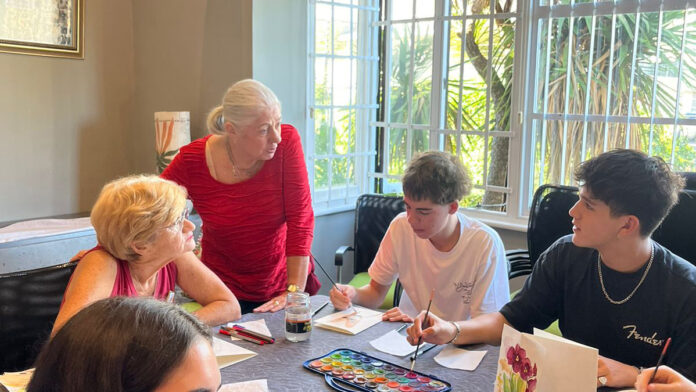
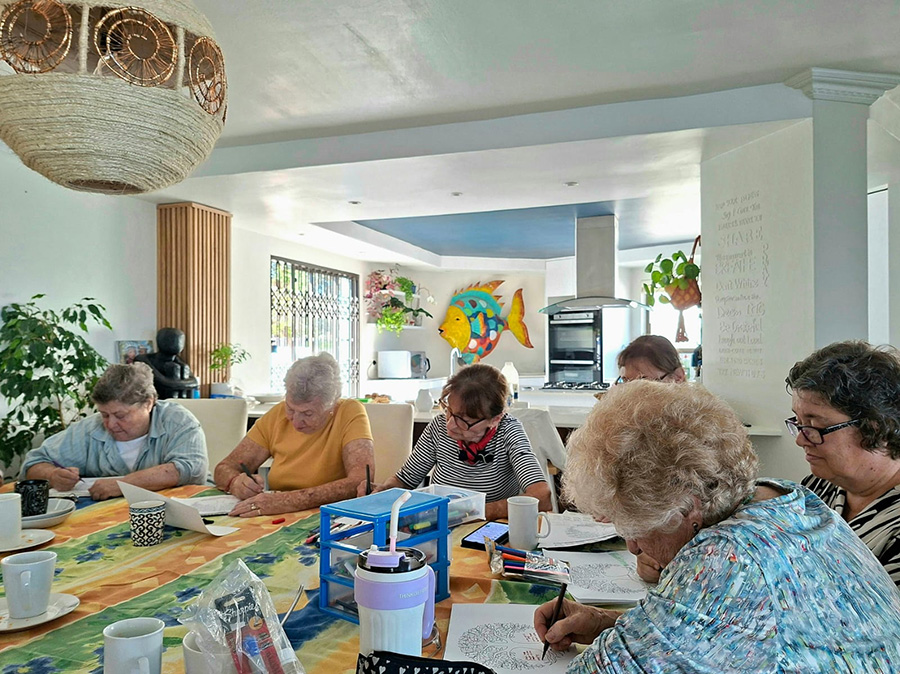
Painting with Herzlia learners when they attended the matric Community Day 2026

We are living longer – and with the right choices, we can also live well. Small daily decisions can help us age in the best possible way. Ideally, many people wish to age in place, surrounded by familiar belongings and memories.

However, when the time comes to consider residential care – whether for yourself or a loved one – it can feel overwhelming. It is not something most of us imagine we will need to do, even if we have supported friends through the process.

There are many factors to consider. If a person has the mental capacity to make their own decisions, they have the right to do so – even if others may feel those choices are unwise. If there are concerns about their safety or decision-making ability, it is important to seek guidance from appropriate professionals.

Understanding the different levels of care is essential. Independent living is designed for older people who can manage their daily activities and maintain their own space, while benefiting from a supportive community and optional services that encourage comfort and social engagement.

Assisted living offers additional support when needed, while still promoting independence and quality of life. It provides a structured, enriching environment where residents receive help with certain daily tasks but are encouraged to remain as self-sufficient as possible.

Frail care, by contrast, is intended for those experiencing significant physical or cognitive decline. It offers specialised, compassionate support, including medical care and assistance with daily activities, ensuring dignity and well-being at a more vulnerable stage of life. Deciding to move a loved one into frail care can be one of the most difficult choices, but it is often the best way to ensure their needs are fully met.

Choosing the right facility depends entirely on the individual. Preferences, routines, likes and dislikes all matter enormously. When visiting potential homes, it is important to consider the full picture: the quality of care, the atmosphere, the staff, and the overall environment. Costs, including additional services, should also be carefully reviewed.

Location is another key factor. A facility close to family or within a familiar neighbourhood makes it easier for loved ones to visit, helping residents feel connected and part of their community.

Above all, take your time. This is an important decision, and getting it right matters. Rather than waiting until care becomes urgent, it is wise to begin exploring options early and making enquiries in advance.

On a community note, volunteers recently hosted a special morning at the CJSA Sea Point branch, where matric students visited to learn about the organisation and participate in activities. It was a warm and engaging experience for all involved – the learners showed genuine interest, and the volunteers appreciated their thoughtful participation.  

Have a great month!
Warm regards
Diana Sochen, Executive Director

Social and Personal

We congratulate our members who have had joyous occasions during the last month.
Births: Shirley Kellner – Great Grandson. Rene and Theo Musikanth – Great Grandson
Batmitzvah: Gayle and Mike Blumenthal – Granddaughter. Rhona and Aubrey Neiman – Granddaughter   
Birthday: Marge Lee
Welcome to new members: Brigette Fine, Michelle Schneider, Isobel Fleishman, Lewis Weiner
Wishing well: Morris Rozen
Our condolences to the families of our members who have passed away: David Gamsu and Ray Davis

Cape Jewish Seniors Association
Director: Diana Sochen, 021 434 9691, director@cjsa.org.za
Admin: Amanda, 021 434 9691, admin@cjsa.org.za
CJSA on Facebook


  • For the current edition of the Cape Jewish Chronicle, click here.
  • Subscribe to the Cape Jewish Chronicle: R450/year, or R38/month via debit order. Simply email us at subscriptions@ctjc.co.za and click here for payment info.
  • The Cape Jewish Chronicle reaches over 6 000 readers monthly across print and digital platforms.
  • To book advertising space or discuss a custom package contact Adéle Gradner Mobile: 083 321 5222 | Office: 021 464 6736 | Email advertising@ctjc.co.za

Bnei Mitzvah: Mazal Tov!

Mazal Tov to the Temple Israel Bnei Mitzvot and their families.

Temple Israel http://www.templeisrael.co.za


  • For the current edition of the Cape Jewish Chronicle, click here.
  • Subscribe to the Cape Jewish Chronicle: R450/year, or R38/month via debit order. Simply email us at subscriptions@ctjc.co.za and click here for payment info.
  • The Cape Jewish Chronicle reaches over 6 000 readers monthly across print and digital platforms.
  • To book advertising space or discuss a custom package contact Adéle Gradner Mobile: 083 321 5222 | Office: 021 464 6736 | Email advertising@ctjc.co.za

Teshuva of the heart: A Jewish reflection on the Hoffman Process

By Shelly Korn | Care Imagineer / Evercare

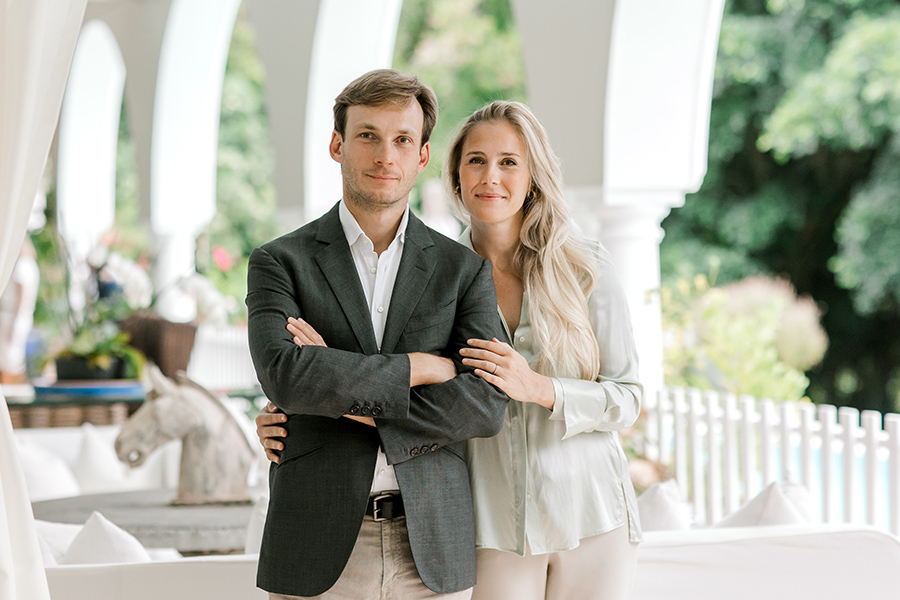
When Markus and Angelina Bihler first suggested that I attend something called the Hoffman Process, I politely smiled and quickly changed the subject.

They had recently moved from London to Cape Town, and during a Shabbat dinner together they told me they were helping bring the Hoffman Institute to South Africa. Markus spoke about the experience with the kind of calm conviction that immediately raised my suspicion: life-changing, he said. Transformational. Words that tend to make practical people like me slightly uncomfortable.

But then something interesting started happening. The Hoffman Process kept appearing everywhere I looked. It showed up on my socials and in conversations with friends, colleagues and even casual acquaintances. Some had done it. Others were on the waiting list. The deeper I looked, the more intriguing it became. Apparently, everyone from Silicon Valley entrepreneurs to Hollywood actors, bestselling authors, influencers, clinicians, and leading figures in the personal growth world had been through it – and in the United States the programme carries a waiting list of up to nine months.

At that point I figured there had to be something to it.

A few months later I found myself part of the first South African cohort to complete the Hoffman Process – a week-long residential programme dedicated to something most of us spend our lives avoiding: looking honestly at ourselves.

The premise of the work is both simple and confronting. 

Much of the way we think, react and relate to others was shaped in childhood. Hoffman calls these inherited emotional habits “patterns.” They are the coping strategies we learned early in life – ways of protecting ourselves, earning love, avoiding conflict or managing fear.

In Jewish life we have a phrase that captures something similar: L’dor v’dor – from generation to generation. Traditions, values, character traits and behaviours are passed down through families. Often these inheritances are beautiful gifts. But sometimes patterns that once helped us survive quietly follow us into adulthood long after they stop serving us.

The prophet Ezekiel captured this idea centuries ago with the phrase: “The fathers eat sour grapes, and the children’s teeth are set on edge.” The choices and experiences of one generation inevitably ripple into the next.

During the process, I began to see how true this was in my own life. I was raised by a family shaped by the trauma of pogroms and the Holocaust – immigrants who survived hardship, fled to Israel, fought wars and helped build a new country. Only now did I begin to recognise how deeply their survival instincts had quietly shaped my own patterns.

This led me to a simple yet powerful realisation that, while my parents and grandparents focused their lives on surviving, I now have
the opportunity to focus mine on thriving.

In Judaism we are commanded to honour our parents, but honour does not require emotional blindness. Understanding what we inherit allows us to approach our past with compassion – while still being true to ourselves. That final piece – being true to our authentic self – may be the most important lesson of the Hoffman process. 

Jewish tradition has long understood this idea. The concept of teshuva is really about returning to our truest selves. It is the belief that we are never permanently defined by yesterday’s behaviour. Change is always possible.

Bob Hoffman was Jewish himself, but the Hoffman Process is not a religious programme. Yet many of its insights resonate deeply with Jewish ideas about personal growth and responsibility. I was pleasantly surprised to discover that the process deepened my own Jewish practice and enhanced my spirituality. 

Perhaps this is also linked to another core pillar of the work: bringing the head, heart and soul into alignment. When our thoughts, emotions and deeper values begin working together rather than pulling us in different directions, something remarkable happens – a sense of inner calm and clarity begins to emerge.

In Judaism we speak about Echad – unity. Not only the oneness of G-d, but the aspiration for inner wholeness within ourselves. For me, the week offered a multitude of practical tools for moving closer to that alignment – and the sense of peace that comes with it.

Our tradition teaches that repairing the world begins with repairing ourselves – and that every journey of teshuva begins with a moment of curiosity and the courage to look within.

As it turns out, Markus was right after all. I found the Hoffman Process both life-changing and transformational.  

If you are curious about the Hoffman Process and the work now beginning here in South Africa, you are welcome to reach out to Shelly or connect with Markus and Angelina to learn more. Also, take a look at the website: hoffmaninstitute.co.za


  • For the current edition of the Cape Jewish Chronicle, click here.
  • Subscribe to the Cape Jewish Chronicle: R450/year, or R38/month via debit order. Simply email us at subscriptions@ctjc.co.za and click here for payment info.
  • The Cape Jewish Chronicle reaches over 6 000 readers monthly across print and digital platforms.
  • To book advertising space or discuss a custom package contact Adéle Gradner Mobile: 083 321 5222 | Office: 021 464 6736 | Email advertising@ctjc.co.za

SAZF Cape Council: Youth

Habonim April Seminar

This April, Habonim Dror Cape Town hosted its annual April Seminar, bringing together chanichim for a week of learning, growth and connection. 

Through meaningful programming, participants deepened their understanding of the movement’s values, while strengthening their roles as members and future leaders. 

Kesem (Grade 11s) explored the history and meaning of Habonim Dror, from its political involvement to its ideological pillars. Over five days at the campsite, they grew as members and future madrichim. Alongside their learning, they enjoyed a range of activities, including a silent disco. It was inspiring to see their enthusiasm for contributing to the movement’s growth, and we hope to see them at the next Mini Machaneh. (Rosh April Sem: Holly Berk) 

Emek (Grade 12s) took a meaningful step into their roles as madrichim within the Bogrim body. Through engaging peulot (daily activities) and discussions, they explored leadership and responsibility within the movement. Their time on the campsite was filled with both growth and connection, as they embraced this transition with maturity and commitment. We look forward to seeing them thrive as madrichim in the coming machanot. (Rosh April Sem: Julian Glenister)  


BBYO: New Chapter Board Leadership 

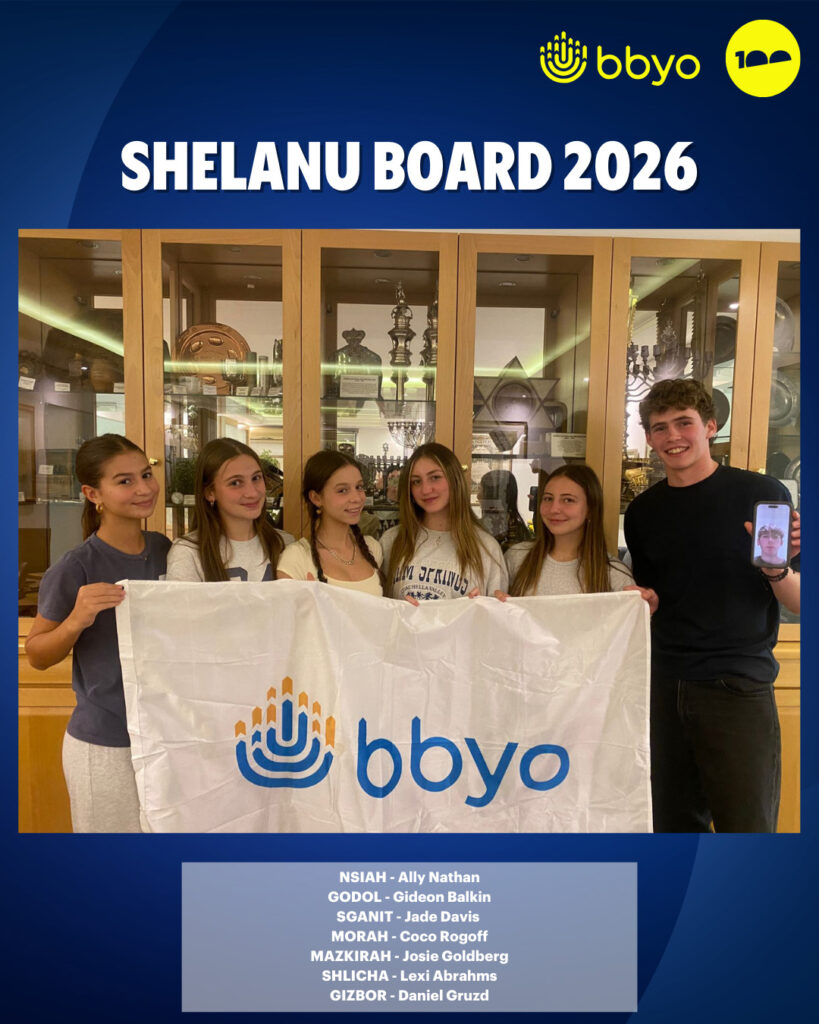
BBYO South Africa is thrilled to introduce the newly-elected Shelanu Board for 2026! These seven teen leaders – elected democratically – embody BBYO’s commitment to being truly teen-led. 

They will steer every aspect of chapter life: designing and delivering monthly programmes, representing BBYO at community events, and growing our membership so more teens can discover the BBYO magic.

We celebrate these leaders for their initiative, creativity, and dedication to our movement. Through roles like these, BBYO provides hands-on experience in communal leadership and strengthens the pipeline of Jewish leadership in our community.

Cape Town (Shelanu) Board 2026

Ally Nathan (Nsiah – Chapter President)
Gideon Balkin (G’dol – Chapter President)
Jade Davis (S’ganit – Vice President, Programming)
Lexi Abrahams (Shlicha – Vice President, Jewish Enrichment & Outreach)
Josie Goldberg (Mazkirah – Secretary)
Raquel Rogoff (Morah – Vice President, Membership)
Daniel Gruzd (Gizbor – Treasurer)

Join us in congratulating the Shelanu Board and supporting them as they lead, innovate, and inspire throughout 2026!


Bnei Akiva Cape Town

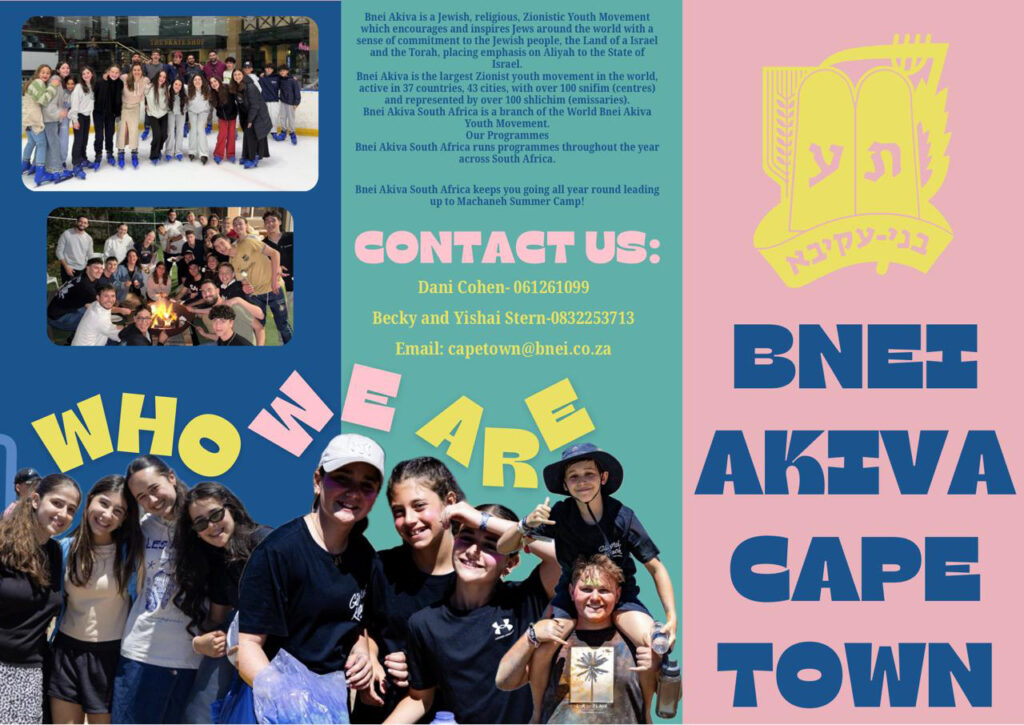
Bnei Akiva is a Jewish, religious, Zionistic Youth Movement which encourages and inspires Jews around the world with a sense of commitment to the Jewish people, the Land of a Israel and the Torah. 

We place emphasis on Aliyah to the State of Israel. Bnei Akiva is the largest Zionist youth movement in the world, active in 37 countries, 43 cities, with over 100 snifim (centres) and represented by over 100 shlichim (emissaries). Bnei Akiva South Africa is a branch of the World Bnei Akiva Youth Movement, and Bnei Akiva South Africa runs programmes throughout the year across South Africa.

Bnei Akiva South Africa keeps you going all year round leading up to Machaneh Summer Camp!  

CONTACT US: Dani Cohen – 061261099
Becky and Yishai Stern – 0832253713
Email: capetown@bnei.co.za


Keep up to date!
Habonim: website: Habonim Dror SA, Facebook HabonimSA
Netzer: website: Netzer.org.za, Instagram netzer_southafrica
Bnei Akiva: website: Beni Akiva South Africa, Facebook Bnei Akiva Cape Town
SAUJS Western Cape: Facebook @SAUJS, Instagram @saujs_westerncape
Diller Teen Fellows: website: Diller Teen Fellows , Facebook Diller Teen Fellows, Instagram @diller.capetown
BBYO South Africa: Instagram @bbyo.sa, website http://www.bbyo.org

Find the SA Zionist Federation – Cape Council online:
FacebookTwitterInstagramhttp://www.sazfcape.co.za


  • For the current edition of the Cape Jewish Chronicle, click here.
  • Subscribe to the Cape Jewish Chronicle: R450/year, or R38/month via debit order. Simply email us at subscriptions@ctjc.co.za and click here for payment info.
  • The Cape Jewish Chronicle reaches over 6 000 readers monthly across print and digital platforms.
  • To book advertising space or discuss a custom package contact Adéle Gradner Mobile: 083 321 5222 | Office: 021 464 6736 | Email advertising@ctjc.co.za
SIGN UP TO RECEIVE THE CAPE JEWISH CHRONICLE