Home Blog Page 5

What a new Demographic Report by the Kaplan Centre tells us about Cape Town Jewry


By REVIVA HASSON Research Officer at the Kaplan Centre for Jewish Studies and Research

Is the Cape Town Jewish community growing or shrinking?

Demographers understand population change through a surprisingly straightforward equation. Communities grow through births, in-migration into the area, and people joining through conversion. They decline through deaths, out-migration, and assimilation – i.e. where a person no longer identifies as Jewish.

The Kaplan Centre’s recent demographic report set out to examine these trends within the Cape Town Jewish community. By bringing together existing data from multiple community organisations including schools, the Beth Din, United Orthodox Synagogues, the Cape Town Progressive Jewish Congregation, and other communal records, the report provides an understanding of Cape Town Jewry’s demographic trajectory.

Over the long term it’s clear that the Cape Town Jewish population has declined. At its peak in the 1980s, the community numbered 27 000.

In contrast, the 2019 Jewish Community Survey estimated Cape Town Jewry at around 12 500 people. This represents a population decline of roughly 50% over four decades.

However, over the past decade, the Cape Town Jewish population appears to have remained remarkably stable with current estimates of the community being between 13 000 – 13 500. 

Natural population decline

The most basic measure of whether a community is growing or shrinking is the relationship between births and deaths. When more people die than are born, a community experiences what demographers call natural population decline.

The Cape Town Jewish community has excellent records of deaths and increasingly reliable records of births. While the longer-term trend has been one of declining births, one of the most encouraging findings in the report is that this trend has improved in recent years.

At its lowest point, during 2022-2023, there were almost five deaths for every birth in the community, yet in 2024-2025, births increased significantly, resulting in the ratio improving to approximately 2.5 deaths for every birth.

This improved death-to-birth ratio is a key demographic development in the right direction, yet it still reflects a community experiencing natural population decline – albeit at a slower pace. 

Why births have increased is not yet entirely clear. The trend may reflect a combination of factors, including young adults and families choosing to remain in Cape Town, increasing semigration from elsewhere in South Africa, and a delayed post-COVID effect as weddings and family formation returned to more normal patterns after the pandemic.

Migration

Emigration has long been one of the defining features of South African Jewish life. Since the 1970s, large numbers of South Africans have emigrated, contributing significantly to the decline of the country’s Jewish population. Indeed, previous research by the Kaplan Centre suggests that there may be more South African-born Jews living abroad than in South Africa.

For much of the last couple of decades, more families were leaving Cape Town than moving into it. School-based data, however, suggests this pattern has shifted towards relative equilibrium, with approximately one child arriving for every child leaving.

When focusing only on movements within South Africa, it’s evident that more Jewish families are moving to Cape Town than are relocating from Cape Town to other parts of the country. Most are arriving from Johannesburg. This in-migration is likely one of the reasons why the Cape Town Jewish population has remained relatively stable in recent years despite experiencing natural population decline. 

Religious switching

Since 2002, the Cape Town Jewish community has welcomed more than 600 converts from both the Orthodox and Progressive conversion programmes. 

Measuring the number of people who cease to identify as Jewish is far more difficult. One indicator often used by demographers is intermarriage. Nationally, 12% of Jewish individuals living with a spouse are in interfaith unions. 18% in Cape Town.

Intermarriage is an imperfect measure of assimilation. Many intermarried households are active members of the Jewish community and are raising children with a strong Jewish identity.

At the same time, research from Jewish communities around the world indicates that the children and grandchildren of intermarried unions are less likely to identify as Jewish. 

Putting the pieces together

Emigration is often seen as the primary driver of population decline because it is the most visible. However, it is not the only factor. The community has also been shrinking quietly through natural population decline, as deaths continue to outnumber births. In addition, assimilation gradually reduces the number of people who identify as Jewish from one generation to the next. Unlike emigration, these demographic forces are less visible, yet their cumulative impact has been a significant contributor to the long-term decline of Cape
Town Jewry.

At the same time, the findings from the Kaplan Centre’s Cape Town Jewish Community Demographic Report suggest that there are reasons for cautious optimism. Births have rebounded strongly in recent years, slowing the pace of natural population decline, and migration patterns appear to have shifted from net out-migration towards relative equilibrium. While the community remains smaller than it was a generation ago, there is evidence that Cape Town is attracting Jewish families particularly from Johannesburg as well as a smaller number from overseas. It is too early to know whether these developments represent a temporary fluctuation or the beginning of a longer-term trend, but the demographic outlook for Cape Town Jewry is more positive than many assume.

The University of Cape Town’s Kaplan Centre for Jewish Studies http://www.kaplancentre.uct.ac.za


  • For the current edition of the Cape Jewish Chronicle, click here.
  • Subscribe to the Cape Jewish Chronicle: R450/year, or R38/month via debit order. Simply email us at subscriptions@ctjc.co.za and click here for payment info.
  • The Cape Jewish Chronicle reaches over 6 000 readers monthly across print and digital platforms.
  • To book advertising space or discuss a custom package contact Adéle Gradner Mobile: 083 321 5222 | Office: 021 464 6736 | Email advertising@ctjc.co.za
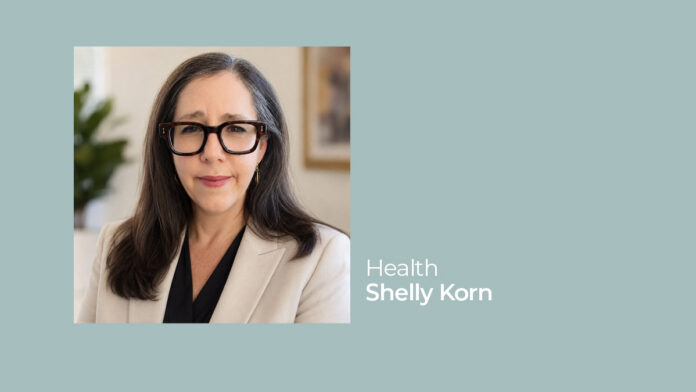
Save me a seat!

By Shelly Korn | Founder, Sunset Care

Last Rosh Hashanah, for the first time, my father-in-law was unable to join our celebration. His care needs made it impossible for us to bring him home or take him to shul. His place at the table was empty. His seat in shul remained unoccupied.

I knew he was safe and cared for. I understood why he could not be there. But none of that made his absence less painful. Throughout the Chag, I carried a deep anguish and a growing sense of guilt that I had somehow failed him – and failed our family. Perhaps the empty seat was so painful because it offered a glimpse of a future I was not ready to face. He was still alive, yet our family was already experiencing his absence.

Serious illness, ageing and dementia can bring many losses before death. A person may lose their independence, their familiar role in the family, their place in the community, and their ability to participate in traditions they once helped create. Gradually, they become less involved, less visible and easier to leave out. And so, the first loss is not always death. Sometimes it is the moment a person stops being expected. Usually, nobody intends for this to happen. Their disappearance is hidden inside reasonable concerns:

It may be too tiring for her. He won’t cope with the journey. She becomes unsettled around so many people. It is simply easier if he stays where he is.

Sometimes these concerns are entirely valid. Inclusion should never mean forcing a frail person through an occasion they can no longer tolerate. But it should make us pause and ask: What would help them feel that they still have a seat at the table? Perhaps they come only for Kiddush or leave after the soup. Perhaps someone sits beside them in shul or brings them home before the service ends. Perhaps the shofar, apples and honey, family stories and warmth of the celebration are taken to them. These gestures may be small, but their message is profound: You are still part of us. There is still a place for you here.

On Rosh Hashanah, we pray, Zochreinu l’chaim – “Remember us for life.” Perhaps, while asking G-d to remember us, we must also ask ourselves: Whom among the living have we forgotten?

The High Holy Days call us to return – not only to G-d, but to one another, especially those who may have quietly slipped beyond the circle of family and community life.

One day, when they are truly gone, we may honour them by preparing their favourite recipes. While they are still here, let us bring them a taste.One day, we may retell their stories. While they are still here, let us ask them to tell us one more. One day, their seats will be empty in the final sense. Until then, let us not empty them too soon.

Last Rosh Hashanah, I feared it might be our last Chag with my father-in-law. Thank G-d, he is still with us, living in a nursing home. This year, we have been given more time – time to prepare, and to find a way for the Chag to reach him. It is never simple or perfect, and the ache does not grow smaller – for him or for us. Still, we bring what we can: a familiar taste, a favourite Niggun, a family story, our presence. Small pieces of the Chag, carried with love. Perhaps, in each one, he hears the promise beneath them all: Your place in our family remains. 

Wherever we gather, we have saved you a seat. 

Apples, honey and a mighty sting

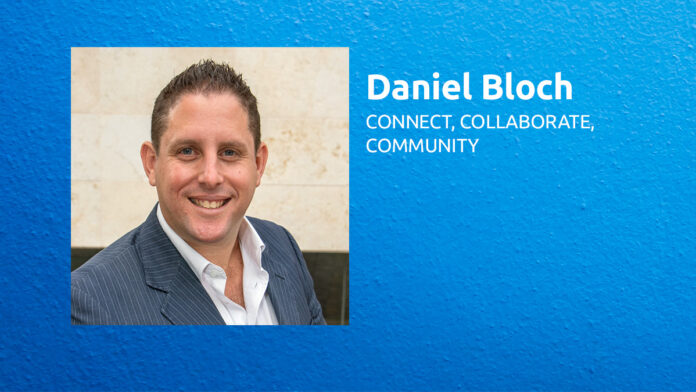
Daniel Bloch

By DANIEL BLOCH, Exec. Director Cape SAJBD

Can you believe it’s already time for apples dipped in honey? Where has this year gone? 

By the time you read this article, we will be just a week-and-a-half away from celebrating Rosh Hashanah – the Jewish New Year. 

Dipping apples in honey on Rosh Hashanah symbolises our prayer and hope for a good and sweet new year, invoking divine blessing, abundance and the spiritual sweetness of the Garden of Eden. There are also deeper interpretations, including the connection to the bee – a symbolic reminder that something sweet can come from a creature that also has a sting, representing life’s challenges ultimately turning into positive outcomes.

Now, I’m not going to get too philosophical or spiritual on you, but I would like to focus on the symbolism of the bee and how it connects to what we do at the Cape SAJBD.

I have mentioned in previous articles that the Cape Board will be ‘dominating’ the Equality Court over the next several months as we tackle antisemitism and hatred head-on. In fact, by the time you read this article, we will have been in court for our second of several cases, which takes place on 25 August 2026.

So why do I compare the Cape SAJBD to a bee?

Sure, we may have a bit of yellow and black in our logo colours. But, like the bee, we represent a minority community (small in size) in comparison to many others – yet we punch well above our weight. Some may even say we pack a mean sting. (I know it should be ‘punch’, but I’m trying to keep the mighty bee analogy going!)

There are those who seem to think they can get away with spewing hatred online, targeting members of our community, attempting to boycott Jewish businesses, or trying to silence and repress our Jewish identity.

But they consistently underestimate the resilience, determination and strength of our community.

The Cape SAJBD is sending a clear message: we will not tolerate hatred directed at our community, and we will stand up and fight back when necessary. And, yes, we will deliver a mighty sting to those who attack us.

Our legal approach to combating antisemitism is often our last resort – what some might call the tip of the blade; the point designed for piercing. Our preference is always to focus on restorative justice, education, engagement and dialogue. But sometimes a more assertive approach is required when dealing with individuals who persist in spreading hate.

And just like the tip of a blade, the bee’s stinger is designed to pierce through and serve as a reminder that actions have consequences.

For the record, only honeybees die after stinging, while other bees, such as bumblebees and carpenter bees, can sting multiple times. The Cape SAJBD is a very different kind of bee: we possess multiple stingers, and we will continue to use them wherever hatred rears its ugly head.

But enough about stinging. What about those apples dipped in honey?

This Rosh Hashanah, we must all celebrate the Chag with our family and friends. Go to shul. Sing along with the choir and chazan. Stay awake during the Rabbi’s drosha. Eat as much brisket and tzimmes as possible. And, of course, take a large slice of apple and dip it generously into the honey – making sure you get a fair chunk of that sweet goodness!

And as you say the brocha, take a moment to think about our amazing community. Think about how vibrant and thriving our Jewish way of life remains. Think about our resilience, our strength and the way our community continues to stand together.

And pray for another sweet, healthy and prosperous year for us all.

Wishing everyone a Shana Tova Umetuka!

Cape SA Jewish Board of Deputies | http://www.capesajbd.org | Instagram | Facebook


  • For the current edition of the Cape Jewish Chronicle, click here.
  • Subscribe to the Cape Jewish Chronicle: R450/year, or R38/month via debit order. Simply email us at subscriptions@ctjc.co.za and click here for payment info.
  • The Cape Jewish Chronicle reaches over 6 000 readers monthly across print and digital platforms.
  • To book advertising space or discuss a custom package contact Adéle Gradner Mobile: 083 321 5222 | Office: 021 464 6736 | Email advertising@ctjc.co.za
Art bursaries changing lives

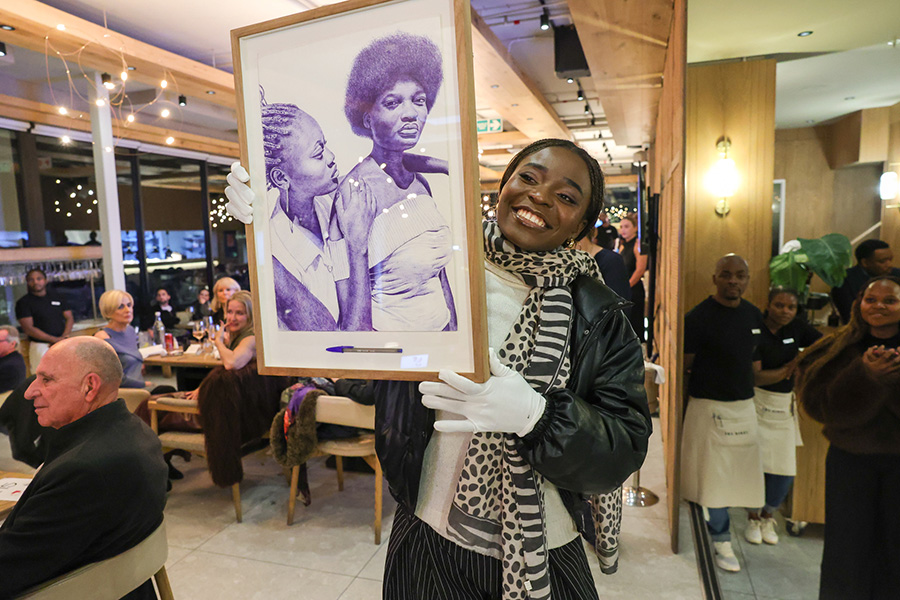
Lona Ndzimande, Ilanga Elibukayo

“Cape Town is the best place in South Africa for anyone interested in art.” That is the view of SAFIM Art Collaborative Executive Coordinator Lisa Truter, who points to the city’s wealth of world-class institutions, including the Zeitz MOCAA, the Norval Foundation and leading art schools such as the Ruth Prowse School of Art.

SAFIM (South African Friends of the Israel Museum) Art Collab’s partnership with the Ruth Prowse School has become one of its most meaningful initiatives. The organisation sponsors talented students whose financial circumstances might otherwise prevent them from completing their studies.

Originally, SAFIM Art Collab funded South African art students to attend a curatorial programme at the Israel Museum. Following the events of October 7, 2023, and the resulting security concerns, that programme was paused and resources redirected to bursaries in South Africa.

“There is no question about the value of this focus,” says SAFIM Art Collab Co-Chair Suzanne Ackerman. “There is so much need in our country, and we feel we should be giving back to South Africa in whatever way we can.”

The bursary programme is designed to be both aspirational and inspirational. Students are considered only after completing at least one year of study, allowing SAFIM Art Collab to assess both talent and commitment.

“We want to motivate students to give their very best during the remainder of their studies and ensure they complete their qualifications,” Suzanne explains.

The support is substantial. Annual tuition can cost around R70 000, while art materials, transport and other expenses add significantly to the financial burden.

Working with the Ruth Prowse School has been particularly rewarding, Suzanne says. “Because it is a small institution, each student’s unique needs are well understood. That allows us to tailor support to their individual circumstances, giving them the greatest chance of success.”

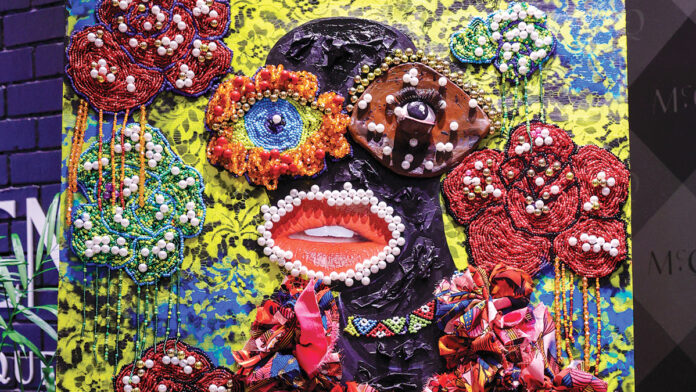
The results have been impressive. SAFIM Art Collab’s first bursary recipient, Lona Ndzimande, who creates layered portraits using a range of media, graduated in 2023 and has already established herself professionally. After winning the WORLDART10 competition, she earned a solo exhibition at WORLDART and was selected to exhibit at the 2026 Investec Cape Town Art Fair.

“Art is giving Lona the opportunity to build a commercially viable career, which is no small achievement,” Suzanne says.

In 2024, SAFIM Art Collab expanded the programme to support two more students, Celine Ndzana and Zoliswa (Zollie) Ngxongo, both of whom graduated from Ruth Prowse last year.

Celine, who specialises in pencil, pen and charcoal drawings, is training as an art teacher while running her own studio part-time. Last year she was commissioned by Cape Town Tourism to create Waves of Pride, a mural on the Sea Point Promenade recognising the resilience of Cape Town’s LGBTQ+ community.

Zollie’s journey into the profession may take longer, but SAFIM Art Collab remains committed to helping her succeed. “We hope to find an established artist who can mentor her or take her on as an assistant,” Suzanne says. Having overcome an exceptionally difficult childhood, Zollie found stability with foster parents who encouraged her artistic ambitions. Suzanne believes her final graduation project reflected not only artistic growth but also growing confidence and self-belief.

The talent of all three bursary recipients was recognised at this year’s SAFIM Art Collab Gala & Art Auction, the organisation’s principal fundraiser. Each sold a work, with Zollie’s Reclaimed achieving the highest price of the three at over R60 000. The painting explores a woman’s ability to reclaim her strength and identity after suffering harm.

Reflecting on the experience, Zollie says: “I could never have anticipated the success of my piece Reclaimed at the auction. Meeting the couple who bought my painting and witnessing what it meant for them to own one of my pieces made everything come full circle.”

“It was an emotional moment for both audience and artist when the students’ works came up for bidding,” Suzanne recalls. “Having a work on auction is itself an achievement for a young artist, and a sale gives the kind of affirmation a budding artist has been hoping for. I believe that the sales will serve as stepping stones to even greater things.”

The auction raised around R1,6 million. A notable portion of the proceeds from the sale of the three graduates’ work was paid back to them, as an investment in their studio practice. The balance has been invested directly back into the bursary programme, in order to support future aspiring artists. Other funds raised on the evening will support an upcoming local curatorial programme, as well as an educational initiative for Ethiopian-Israeli children at the Israel Museum, Jerusalem.

For SAFIM Art Collab, the success of its bursary recipients demonstrates how purposeful financial support can unlock exceptional talent and transform lives through art.


  • For the current edition of the Cape Jewish Chronicle, click here.
  • Subscribe to the Cape Jewish Chronicle: R450/year, or R38/month via debit order. Simply email us at subscriptions@ctjc.co.za and click here for payment info.
  • The Cape Jewish Chronicle reaches over 6 000 readers monthly across print and digital platforms.
  • To book advertising space or discuss a custom package contact Adéle Gradner Mobile: 083 321 5222 | Office: 021 464 6736 | Email advertising@ctjc.co.za

The other side of repentance

Growing up, Rosh Hashanah meant the warmth of family. Aunts and uncles, cousins and the occasional friend would gather around the table for a meal that always felt special – my mother’s brisket and tzimmes, followed by the heavenly pareve chocolate pudding reserved for special occasions.

Shul on Rosh Hashanah and Yom Kippur felt different. There was a certain heaviness to those days. We understood that this was a time for introspection – for reflecting on the year that had passed, acknowledging our sins and asking forgiveness.

As a young child, I remember wondering what sins my parents could possibly have committed. They were law-abiding, family-focused and honest. What could they have done that required forgiveness?

Looking back, I realise there was something missing from my childhood understanding of the High Holy Days. I thought largely in terms of wrongdoing: What have I done wrong, and how can I be forgiven? What I have come to understand is that this is only part of the reckoning. We should also be asking: What good have I done – and what more could I do?

Repentance matters, but so does positive action. Providing for those in need, treating others with dignity and kindness, and making ethical choices in our everyday lives are also expressions of our values. How we choose to live should matter at least as much as asking forgiveness for the times we have fallen short.

This comes to mind when I encounter people who make much of their religious observance. Someone may be scrupulous about never eating treif, for example, and that is entirely their choice. But religious observance surely carries greater meaning when it is accompanied by decency, compassion and respect for others.

Recent events have provided painful reminders of the opportunities we have to put those values into practice. The devastating fire in a Sea Point apartment block and the disturbing aggression directed towards foreigners living in South Africa have confronted us with people facing circumstances largely beyond their control. They have also given us opportunities to respond with humanity – something we have seen from many within Cape Town’s Jewish community.

Perhaps that is one of the challenges worth carrying into the High Holy Days this year. Alongside asking where we have gone wrong, we can ask where we have done right – and where we could do more.

Because living ethically is not simply about avoiding wrongdoing. It is also about noticing the people around us, recognising when they need us and choosing, wherever we can, to make their lives a little better. 


  • For the current edition of the Cape Jewish Chronicle, click here.
  • Subscribe to the Cape Jewish Chronicle: R450/year, or R38/month via debit order. Simply email us at subscriptions@ctjc.co.za and click here for payment info.
  • The Cape Jewish Chronicle reaches over 6 000 readers monthly across print and digital platforms.
  • To book advertising space or discuss a custom package contact Adéle Gradner Mobile: 083 321 5222 | Office: 021 464 6736 | Email advertising@ctjc.co.za
When a Get is withheld: Divorce, dignity and the law

Blue concrete wall textures for background - Vintage Film Filter


By BENITA ARDENBAUM Family Law Attorney

For Jewish couples, the end of a marriage may involve two separate processes, which is the civil divorce and the Get required under Jewish law. 

Ideally, these processes take place alongside each other, allowing both spouses to bring the marriage to an end and move forward with their lives.

But what happens when one spouse refuses to co-operate?

A Get is the religious document required to dissolve a Jewish marriage. Traditionally, it is given by the husband and accepted by the wife. Without it, a civil divorce may bring the legal marriage to an end, but the wife may still be regarded as married under Jewish law and unable to remarry within the faith. This creates an obvious imbalance of power.

In difficult divorces, the Get can become caught up in the wider conflict between the parties. It may be withheld because of anger or resentment, or used as leverage in negotiations over money, property or children. At that point, something that should allow both people to bring their marriage to a close can instead become another means of continuing the conflict.

South African law has recognised this difficulty. Section 5A of the Divorce Act 70 of 1979 provides an important safeguard. Although the legislation does not specifically refer to a Get or to Jewish marriages, it deals with circumstances where a civil divorce would leave one spouse unable to remarry according to the rules of their religion. In simple terms, the court has a discretion to refuse to grant the civil divorce until the spouse who is able to remove that religious barrier has taken the necessary steps to do so. The court may also make another order that it considers just.

The court is not granting the Get and is not deciding a question of Jewish law. Rather, section 5A recognises that there may be a very real injustice in allowing one spouse to obtain the benefit of a civil divorce while deliberately preventing the other from being free to remarry according to their faith.

There is, however, an important practical point, and that is the question of whether the Get should be raised at the beginning of the divorce process. Section 5A is most useful while the divorce is still before the court. If the civil divorce is finalised without the Get having been addressed, the position may become considerably more difficult to resolve.

For anyone going through a Jewish divorce, the Get should therefore not be treated as something to attend to once the lawyers have finished with everything else. It forms an important part of bringing the marriage to an end.

Divorce is already an emotionally difficult process. Neither the civil nor religious process should be used to punish, control or gain an advantage over the other spouse.

Ultimately, ending a marriage should be about closure, and allowing both people to leave the marriage with dignity and the freedom to begin the next chapter of their lives.


  • For the current edition of the Cape Jewish Chronicle, click here.
  • Subscribe to the Cape Jewish Chronicle: R450/year, or R38/month via debit order. Simply email us at subscriptions@ctjc.co.za and click here for payment info.
  • The Cape Jewish Chronicle reaches over 6 000 readers monthly across print and digital platforms.
  • To book advertising space or discuss a custom package contact Adéle Gradner Mobile: 083 321 5222 | Office: 021 464 6736 | Email advertising@ctjc.co.za
 

Rosh Hashanah Greetings

May 5787 bring hope, strength and unity to us all, and may we be inscribed and sealed for a good year.

Wishing our family, friends and the entire community a healthy and peaceful New Year. May 5787 bring hope, happiness and blessings.
Shanah Tova u’Metukah
With love, Joel, Beverley, Leah and Rafael Wynne


Rosh Hashanah greetings to all our friends.
From Anita and Melvyn Greenstein


Shanah Tova u’Metukah
From Keith and Brenda Getz and family


Shanah Tova u’Metukah
Wishing our family, friends and community a sweet, healthy and peaceful New Year
Love, Richard, Adele, Adam and Jason Gradner


Rabbi Doron Perez: living with joy and brokenness

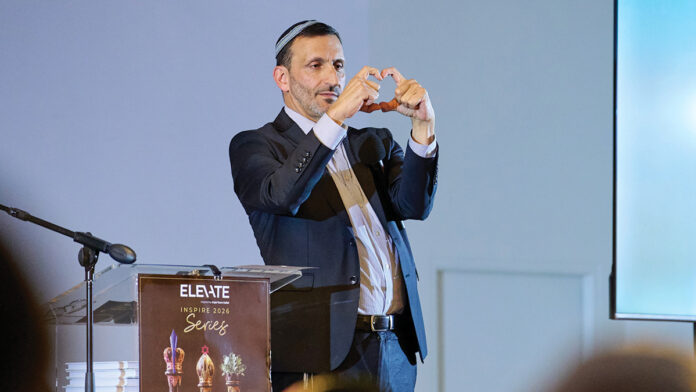
For Rabbi Doron Perez, the devastating loss of his son has deepened his understanding of a central idea in Jewish thought: that life inevitably holds both simcha (joy) and brokenness. It is this apparent contradiction, he believes, that strengthens the Jewish commitment to love, resilience and the sanctification of life.

Speaking at the inaugural event of the ELEVATE Inspire 2026 Series, Rabbi Perez reflected on the different ways he and his wife, Shelley, have coped with the trauma they have endured since 7 October 2023, when their younger son, Daniel, was taken from them.

A young tank commander stationed at the Nahal Oz base on Israel’s border with Gaza, Daniel was captured by Hamas during the attacks. For 163 days, the Perez family believed he was alive and being held hostage.

Rabbi Perez, Executive Chairman of the World Mizrachi movement and President of the World Zionist Organisation, described that period as living as a “hostage family”. Shelley was consumed by anxiety, constantly wondering whether Daniel was being tortured or receiving enough food. He, by contrast, immersed himself in activity.

“I made a conscious effort to disconnect from Daniel emotionally during this period,” he said.

Their contrasting responses, he explained, reflected two different ways of coping with overwhelming trauma.

After 163 days, the family learned that Daniel had been killed, although his body was returned only some time later.

“The first 163 days were like a torture chamber for Shelley,” Rabbi Perez said. “She felt a sense of relief when we were
told that he had died.”

For him, however, the news marked the beginning of a far more difficult period. “Before that, I had occupied my time with all sorts of things, including being a hostage parent. But when we got the news, I did not know what to do. There wasn’t anything for me to do anymore. And so, for me, the past 10 months have been really difficult.”

When Daniel’s body was finally returned to Israel, the family became, in his words, a “bereaved family”.

“I now feel the brokenness at all times. And I know that I will live with that brokenness forever. But that is also an important realisation: one has to learn to live with the brokenness, and not allow it to prevent one from living.”

That experience has transformed the way Rabbi Perez understands both suffering and Jewish tradition. He now identifies brokenness everywhere, yet believes it must always exist alongside a wholehearted embrace of life.

“That is the contradiction I see all the time,” he said. “And it’s in our Torah and other texts, too. Judaism teaches us to live with this contradictory state all the time.”

He pointed to Jewish texts and practices that embody this idea. Key to Pesach, for example, is matzah, which symbolises both redemption and affliction.

Ultimately, Rabbi Perez believes that, “Jewish thought teaches us that life is a package deal: there is simcha, and there is brokenness.”


  • For the current edition of the Cape Jewish Chronicle, click here.
  • Subscribe to the Cape Jewish Chronicle: R450/year, or R38/month via debit order. Simply email us at subscriptions@ctjc.co.za and click here for payment info.
  • The Cape Jewish Chronicle reaches over 6 000 readers monthly across print and digital platforms.
  • To book advertising space or discuss a custom package contact Adéle Gradner Mobile: 083 321 5222 | Office: 021 464 6736 | Email advertising@ctjc.co.za
New Vintage: The surprising revival of Paarl and Stellenbosch Jewry


By Julia Coscia

Decades after congregations dwindled across the rural Western Cape, Jewish life in Paarl and Stellenbosch is experiencing a rebirth.

For years, South Africa’s small-town Jewish communities seemed destined to fade into memory. By the 1980s, many in the Western Cape had declined significantly, and synagogues from Worcester to Caledon stood locked and empty.

But today, the silence is gone. Defying demographic trends across the country, Paarl and Stellenbosch are experiencing a modern-day renewal of Jewish life, though it wears two different faces.

Old roots, new vintage

Stellenbosch’s close-knit Jewish community dates back to the early 1890s, and in 1923 it established the Stellenbosch Synagogue on Ryneveld Street. Although the congregation contracted from 85 families in the 1960s to around 20 by 1980, it retains its Jewish pulse thanks to the leadership of Ian and Gabi (née Zetler) Katzeff, ensuring continuity even during university breaks. This enduring foundation now supports an interesting new chapter.

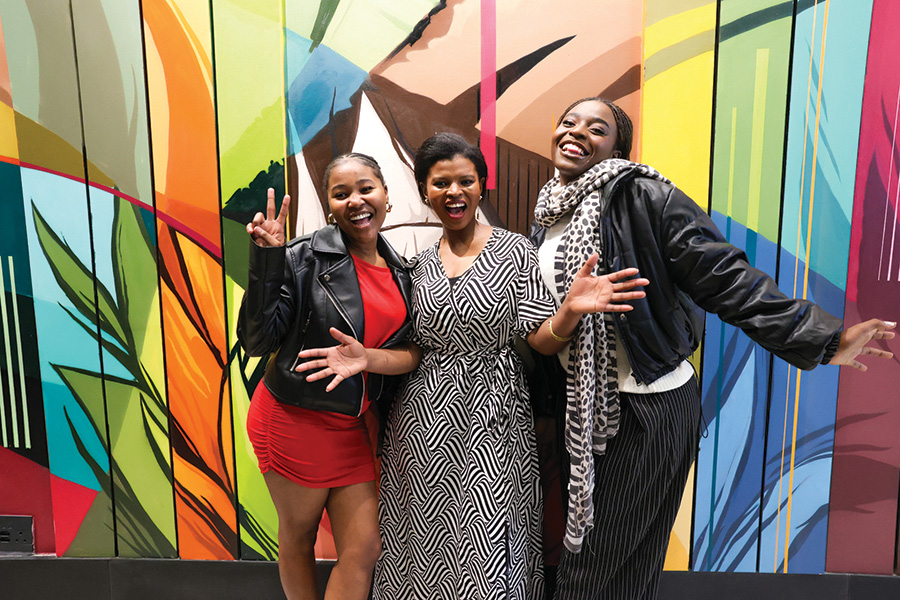
Over the past three years, the number of Jewish students at Stellenbosch University has more than tripled to about 150. Drawn by a welcoming, less polarised campus atmosphere, these students are turning this Cape Winelands town into a lively centre of next-gen Jewish pride.

Leading the way is SAUJS, which assists new students in adjusting to campus life and facilitates connection with one another through social events and their shared Jewish identity. Gemma Cohn, secretary of SAUJS Stellenbosch, notes that the group works alongside Ohrsom Student to promote the well-attended monthly First Friday Shabbat service at the Stellenbosch Synagogue. “The evening starts with pre-drinks, followed by a Kabbalat Shabbat service and dinner at the shul. Other initiatives include the Minyanettes, which aims to involve more female students in shul life,” she says.

SAUJS also maintains close ties to Chabad on Campus, which in 2024 established a permanent home under the leadership of Stellenbosch graduate Rabbi Chananyah Duthie and his wife, Rebbetzin Eliana. Operating from a dedicated Chabad House near university residences, Rabbi Duthie reflects: “Many more Jewish students are looking for Jewish community when they arrive, and I’m struck by the resilience of these students and their dedication to their studies while remembering their yiddishkeit.” 

Transplanted

While Stellenbosch thrives on seasonal, youthful energy, in Paarl, 30 minutes away, the renewal has a more permanent, family-focused face.

This growth is the latest chapter in a story that began over a century ago. In his book The Light of Israel, Charles Press describes the trajectory of one of South Africa’s most historic rural Jewish communities, tracing its roots back to the late 19th century, with the arrival of Germans, Dutch, and, later, immigrants from Lithuanian Russia. These Litvaks were mostly from the provinces of Kovno and Northern Suwalki, and the majority of the community appears to have come from the historic Jewish shtetls of Plungė and Biržai. By 1893, the community had formally established the Paarl Hebrew Congregation and built the Paarl Synagogue (also known as the Ohr Yisrael Synagogue) on Breda Street, officially opening its doors in 1904.

By balancing a life of Torah and mitzvot with civic loyalty and respect for local law, Jewish life flourished along the banks of the Berg River. At its mid-century peak, the congregation was a dynamic hub complete with a Jewish school, active Zionist youth movements, and a packed shul every Shabbat. Deeply Zionist, the community hosted visits from luminaries such as Chaim Weizmann and Menachem Begin.

However, like many rural towns in South Africa, Paarl experienced a demographic decline by the late 1970s and 1980s. “Like in most rural towns in South Africa, Paarl’s older generation was comprised of shopkeepers, farmers, and small business owners,” explains Charles Press. “The younger generation was more educated than their parents; many qualified as doctors, architects, and lawyers, and either moved to the city or abroad for better career opportunities, or made aliyah.”

Despite this, a devoted remnant has sustained Jewish life in Paarl. Ida Jacobson (née Borochowitz) remains one of the living bridges between the community’s past and its resilient present. Born and raised in the shadow of the Drakenstein mountains, Ida is the unofficial balabuste of the Paarl Jewish community. From preparing weekly shul brochas to keeping an eye on shul affairs, Ida, alongside her fellow committee members, is a steadfast guardian of local heritage, and Paarl Shul remains the only synagogue in the region outside Cape Town to have maintained a regular weekly Friday night minyan for decades. 

Paarl has experienced an influx of new families over the past six years, driven by shifting lifestyle choices and the rise of remote/hybrid work setups following the COVID-19 pandemic. Drawn by secure lifestyle estates, top-tier schooling options such as Paarl Boys’ High and Bridgehouse, and easy access to Cape Town, new residents are laying down deep roots.

Tanya Glazer, who moved to Paarl from Muldersdrift 30 years ago and serves on the shul committee, has witnessed this evolution firsthand. “I love living here,’ says Tanya. ‘It’s quiet, peaceful, and close enough to Cape Town. There’s a small, caring Jewish community, and, over the 30 years, it has grown a lot.”

In late 2019, Rabbi Bryan and Rebbetzin Chana Opert took up the part-time rabbinic position at the Paarl Shul to serve the then-community of around 20 souls. The couple came to understand early on that in a small outlying congregation, spiritual connection often manifests through identity rather than strict ritual observance. The Orthodox Jewish community infrastructure of Cape Town, such as its kosher establishments, day schools, learning opportunities and vibrant volunteer organisations, did not exist in Paarl. “What the local Paarl families possessed was a fierce, deep-seated connection to their roots,” says Rabbi Opert. “They honoured the memory of their grandparents who built the shul and recognised the irreplaceable role the congregation played in the regional tapestry. For them, coming to shul was an act of identity.”

Rather than demanding halachic shifts, the Operts focused on creating warm, accessible entry points. The couple introduced communal Friday night dinners and two-night Pesach Seders, making it explicit that attendance at formal services was never a prerequisite for joining the meal. Recognising that the minyan was the beating heart of the community, Rabbi Opert proposed establishing Shacharit services on Yom Tovim. “Many of the men had not attended a Shacharit service in decades. Yet, once the commitment was made, the community’s loyalty shone through. Week after week, without fail, the quorum has been met.”

About three years into the Operts’ tenure, new resident Selwyn Chatz joined the committee as Chairman and proposed creating the Paarl Power Shabbos to connect families moving into surrounding estates. “It took me some time to start going to shul, but when I noticed new Jewish families moving into the area, I thought it would be great to come together so people wouldn’t have to drive all the way to Cape Town for services,” says Selwyn. “The committee gave its buy-in, and before long, people started coming and brought their kids with them. It is a huge blessing to see 70-80 people of all ages coming together on Friday nights, as well as great attendance for morning services during Yom Tov.”

Held every six to eight weeks, the Paarl Power Shabbos draws families from across outlying areas, even as far as Strand and Somerset West. To engage the youngest members, Rebbetzin Chana instituted a 25-minute Children’s Service right before  Kabbalat Shabbat to teach Torah values and holiday traditions. The response was immediate, spurring a wave of community gatherings, including a Sukkot celebration at Babylonstoren, an inaugural challah bake, and a Purim party. This renewed energy has revitalised the congregation, leading to Paarl’s first Bar and Bat Mitzvahs in nearly 30 years and its first shul baby-naming in four decades.

Growth, however, meant meeting congregants where they actually were, notes Rabbi Opert. “In small communities, interfaith marriages are a reality. We observed families who supported the shul deeply but maybe felt spiritually sidelined because the non-Jewish spouse lacked a formal place within traditional structures. Guided by compassion and halakha, we sought a meaningful solution.”

That solution is the Abraham Membership, which allows non-Jewish spouses and interfaith families to become official ‘identity’ members of the Paarl congregation. While strict halakhic boundaries remain – such as not being included in the numbers for a minyan, receiving aliyahs, or voting at the AGM – these families receive full communal recognition. Their birthdays and Yahrzeits are honoured, their support is celebrated, and their children belong. Today, around 10 families participate in this membership, helping to expand the overall congregation membership by an astonishing 50%, including country members across South Africa and abroad.

“Our approach offers a gentle model for small congregations worldwide: people do not need to be pressured into compliance to feel the warmth of their heritage,” says Rabbi Opert. “And when a community leads with unconditional love, clear boundaries, and accessible entry points, connection naturally flourishes, and Paarl Shul is an enduring testament to the power of Jewish identity and belonging.”

Calling former Cape ‘Winelanders’!

Calling all former Paarl and Wellington residents! A special reunion is being planned for later this year – a chance to reconnect with old friends, reminisce and catch up after all these years. For more information, contact Ethne Skop Abramowitz on 083 787 4581.


  • For the current edition of the Cape Jewish Chronicle, click here.
  • Subscribe to the Cape Jewish Chronicle: R450/year, or R38/month via debit order. Simply email us at subscriptions@ctjc.co.za and click here for payment info.
  • The Cape Jewish Chronicle reaches over 6 000 readers monthly across print and digital platforms.
  • To book advertising space or discuss a custom package contact Adéle Gradner Mobile: 083 321 5222 | Office: 021 464 6736 | Email advertising@ctjc.co.za
A new season, a new beginning

WIZO South Africa

By Shelley Trope-Friedman, President, WIZO SA 

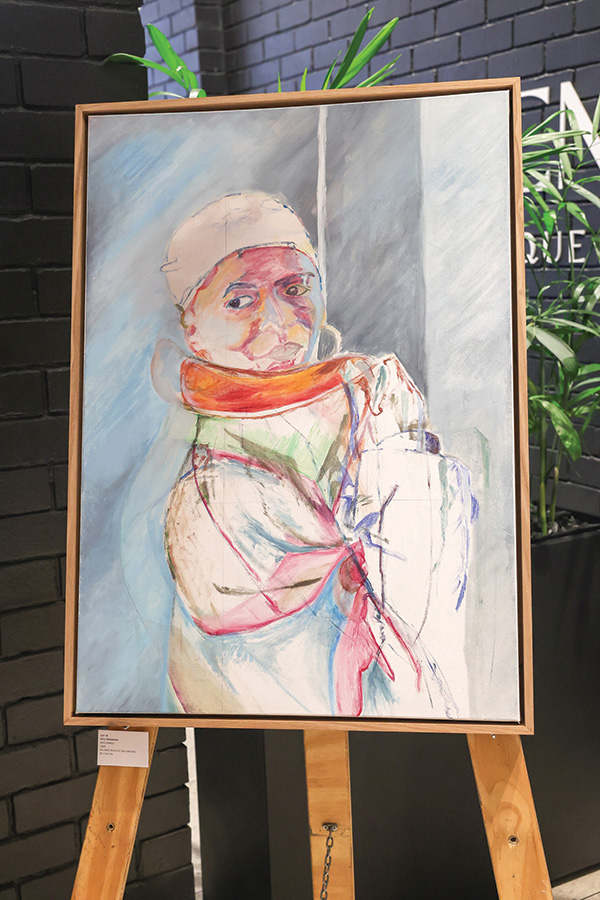
How is it Rosh Hashanah already? There is something about this time of year that makes us wonder where the months have gone. Somehow, here we are at Rosh Hashanah again. It feels as though the year has flown by, with all the highs, lows, surprises and ordinary moments that make up our lives.

Rosh Hashanah gives us an opportunity to slow down and reconsider our actions.

The Jewish calendar is built around cycles: the year, the changing seasons, the rhythm of work and rest, beginnings and endings. Yet every cycle brings us back to a familiar place, while giving us the opportunity to begin again. A new year is not simply about turning the page. It is about deciding what we wish to carry forward and what we are ready to leave behind.

As we enter 5787, I find myself thinking about what it means to usher in a new season. What do we want to cultivate? Where do we want to grow? What kind of community do we want to build? Most importantly, how can we turn our hopes for the year ahead into action?

This is also a good time to think about our own purpose. We need to consider what it means to be a blessing to the world around us and how we can be a little kinder, more generous and more present. We need to consider what we would like people to experience because we were part of their lives. And what does that look like in practice, in our families, communities, workplaces and the wider world? We don’t need grand answers, but we do need to answer these for ourselves.

All of this sits at the heart of what WIZO does. For more than a century, WIZO has created opportunities for people to turn their values into action, to build, support, educate and strengthen communities. It is a reminder that purpose does not always have to be something we find; sometimes it is something we create through what we choose to give. Each new season is an invitation to participate. Rosh Hashanah reminds us that a new beginning doesn’t simply happen because the calendar says so. 

It asks us to look at the year behind us and be honest about what we’ve learnt. If we want the year ahead to look different, what are we prepared to do differently? We can choose where we put our energy, who we make time for and what we contribute. So, as we gather together, hear the shofar and wish one another Shanah Tovah, I hope we will all ask ourselves how to do things differently this year.

May 5787 be a year of renewal, purpose and possibility for us all. With love and purpose, may we have the courage to help make it so.

Shanah Tovah u’Metukah. With love and warmth, Shelley Trope-Friedman 

Website: WIZO South Africa


  • For the current edition of the Cape Jewish Chronicle, click here.
  • Subscribe to the Cape Jewish Chronicle: R450/year, or R38/month via debit order. Simply email us at subscriptions@ctjc.co.za and click here for payment info.
  • The Cape Jewish Chronicle reaches over 6 000 readers monthly across print and digital platforms.
  • To book advertising space or discuss a custom package contact Adéle Gradner Mobile: 083 321 5222 | Office: 021 464 6736 | Email advertising@ctjc.co.za
SIGN UP TO RECEIVE THE CAPE JEWISH CHRONICLE